Changing your car’s oil filter is a simple job, but tightening it the right way is critical. An oil filter that is too loose can leak, while one that is too tight can be very hard to remove and even cause damage.
Many car owners are unsure how much force to use and whether they need special tools. This guide will show you exactly how to tighten an oil filter, with clear steps, practical tips, and expert advice to avoid common mistakes.
Why Proper Oil Filter Tightening Matters
The oil filter keeps your engine oil clean by trapping dirt and metal particles. If the filter is not sealed correctly, oil can leak out, leading to low oil levels, engine wear, or even engine failure. Over-tightening can crush the filter gasket or strip the threads on the filter housing, which may cause leaks and make filter removal difficult during the next oil change.
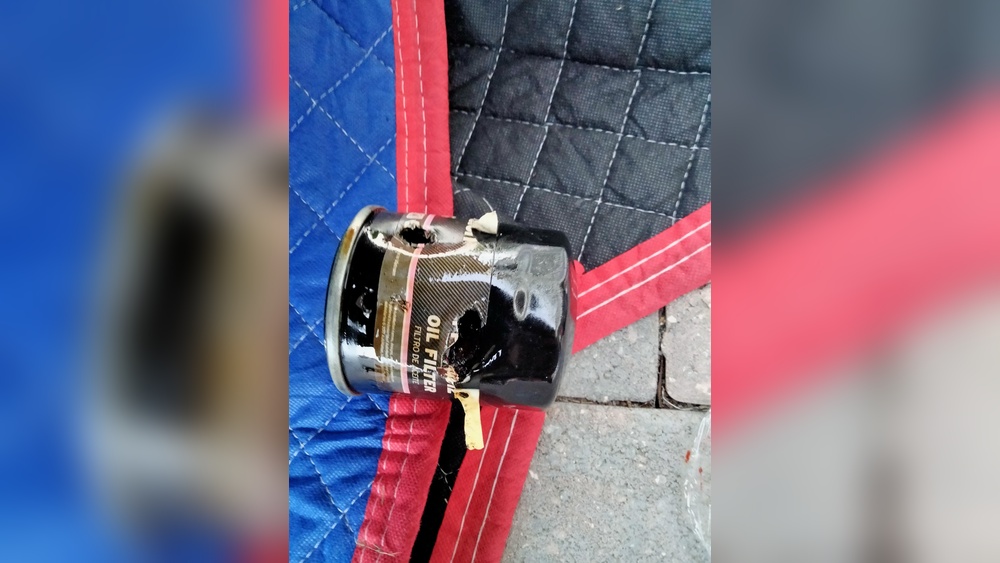
A properly tightened oil filter keeps your engine safe and can save you from expensive repairs.
Tools And Materials You’ll Need
Before you start, gather the essential tools and materials:
- New oil filter (right type for your vehicle)
- Engine oil
- Oil filter wrench (optional, sometimes needed to remove old filter)
- Gloves (for grip and protection)
- Clean rag
Most oil filters are designed to be installed by hand, but these tools make the job easier and cleaner.
Steps To Tighten An Oil Filter Correctly
Follow these steps to ensure a secure and leak-free fit.
1. Prepare The New Oil Filter
Remove the plastic wrap from the new oil filter. Apply a small amount of fresh oil to the rubber gasket on the filter. This helps create a better seal and makes the filter easier to remove later.
2. Install The Oil Filter By Hand
Place the filter onto the filter housing. Turn the filter clockwise until the gasket touches the engine surface. Never use a tool at this stage.
3. Tighten The Filter Properly
Once the gasket makes contact, turn the filter by hand an additional 3/4 to 1 full turn. Most filters specify this in their instructions. Use your hand only—do not use an oil filter wrench to tighten unless the manufacturer recommends it.
Non-obvious insight: Over-tightening does not mean a better seal. The gasket compresses just enough with a firm hand turn; extra force can cause leaks.
4. Check For Proper Fit
Wipe away any oil around the filter. After adding engine oil, start the engine for a few seconds, then shut it off. Check for leaks around the filter. If you see a leak, tighten the filter just a little more by hand.
Tightening Methods: Hand Vs. Wrench
Some situations make it harder to tighten by hand, such as limited space or slippery filters. Here’s a comparison of tightening methods:
| Method | Pros | Cons |
|---|---|---|
| Hand Tightening | Safe, prevents over-tightening, easy to remove next time | May be difficult with oily hands or tight spaces |
| Wrench Tightening | Extra grip, useful in awkward positions | Risk of over-tightening, harder to remove filter later |
Pro tip: Only use a wrench for tightening if your hand cannot reach or grip the filter properly.
Common Mistakes And How To Avoid Them
Many DIYers make these errors when installing an oil filter:
- Over-tightening: Using a wrench to tighten the filter can crush the gasket, causing leaks.
- Under-tightening: Not turning the filter enough after the gasket makes contact can result in oil leaks.
- Not lubricating the gasket: A dry gasket may stick and tear, making the filter hard to remove.
- Double-gasketing: Accidentally leaving the old gasket stuck to the engine can cause immediate leaks.
Here’s a quick look at the risks:
| Mistake | Potential Problem |
|---|---|
| Over-tightening | Crushed gasket, leaks, damaged threads |
| Under-tightening | Oil leaks, filter may loosen |
| Dry gasket | Hard removal, torn gasket |
| Double gasket | Severe oil leaks, engine damage |
Non-obvious insight: Always check that the old gasket came off with the old filter. Missing this step can cause serious engine problems.
How Tight Is “tight Enough”?
The most common rule is “hand tight plus 3/4 turn. ” But how much force is that? For most adults, it’s about 15–20 foot-pounds of torque. Some manufacturers specify the torque in their manuals, so check your car’s guide if you want to be exact.
If you use a wrench, stop as soon as you feel the filter is snug—never force it.
Example: On a Toyota Camry, the manual recommends tightening the oil filter until the gasket contacts the base, then an extra 3/4 turn by hand. This is typical for many vehicles.
Removing An Over-tightened Oil Filter
If your filter is too tight, you may struggle to remove it next time. Here’s what you can do:
- Use a strap wrench or cap wrench designed for oil filters.
- If the filter is stuck, try wrapping sandpaper around it for extra grip.
- As a last resort, carefully drive a screwdriver through the filter (only if you plan to replace it) and use it for leverage.
Tip: Avoid this problem by not over-tightening during installation.
After Installation: Check For Leaks
After tightening the filter and filling with oil, always check for leaks:
- Start the engine and let it run for 1–2 minutes.
- Turn off the engine and inspect the area around the filter.
- Wipe any oil and check again after a short drive.
If you see any oil drops, tighten the filter slightly by hand and recheck.
When To Use A Torque Wrench
For most cars, hand-tightening is enough. However, some high-performance or commercial vehicles recommend using a torque wrench for precise pressure. If your owner’s manual gives a torque value, follow it exactly.
Here’s a comparison:
| Vehicle Type | Recommended Tightening Method |
|---|---|
| Passenger car | Hand-tighten + 3/4 turn |
| Commercial truck | Torque wrench (check manual) |
| Performance car | Torque wrench (check manual) |
Always follow the manufacturer’s instructions for your specific vehicle. If in doubt, consult the Wikipedia page on oil filters for more details.

Final Thoughts
Tightening an oil filter is not just about strength, but about technique. Using your hand and following the “contact plus 3/4 turn” rule works for most cars. Always lubricate the gasket, check for leaks after installation, and avoid using a wrench unless truly needed.
Taking these careful steps will protect your engine, save you money, and make future oil changes much easier.
Frequently Asked Questions
How Tight Should I Make An Oil Filter?
Tighten the oil filter by hand until the gasket touches the engine, then turn it an additional 3/4 to 1 turn. Avoid using tools for tightening unless the manufacturer recommends it.
Can I Use A Wrench To Tighten An Oil Filter?
Use a wrench only if you cannot reach or grip the filter by hand. Over-tightening with a wrench can damage the gasket and make future removal difficult.
What Happens If I Over-tighten My Oil Filter?
Over-tightening can crush the rubber gasket, strip threads, and make the filter almost impossible to remove. It may also cause leaks.
How Do I Know If The Oil Filter Is Tight Enough?
The filter should feel snug, but not forced. After starting the engine, check for leaks. If there are no leaks, the filter is tight enough.
Do I Need To Replace The Oil Filter Gasket?
No, most filters come with a pre-installed gasket. Just make sure to lubricate it with fresh oil before installation and check that the old gasket is not stuck to the engine.