Starting your Jeep with a key may sound simple, but modern vehicles come with different systems and security features. Whether you drive a classic Jeep or a newer model, knowing the correct steps ensures safety and reliability. This guide covers everything you need to know, from the basics to advanced tips, so you can confidently start your Jeep every time.
Understanding Jeep Key Types
Jeep vehicles use several types of keys. The most common are traditional metal keys, transponder keys, and key fobs with remote start features. Each type works differently, so it’s important to know which key your Jeep uses.
| Key Type | Common Models | Special Features |
|---|---|---|
| Traditional Metal Key | CJ, early Wrangler | No electronics |
| Transponder Key | 2000s Cherokee, Grand Cherokee | Embedded chip for security |
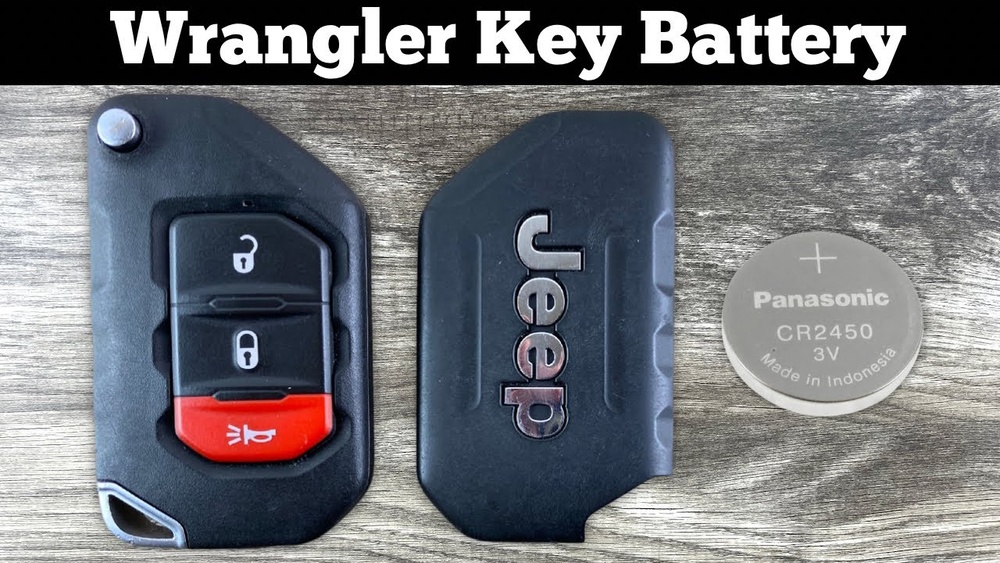
| Key Fob | Recent Wrangler, Compass | Remote lock, sometimes push-button start |
Transponder keys contain a chip that communicates with the vehicle. If the chip isn’t recognized, the Jeep will not start. Key fobs may include both remote start and push-button ignition, but many still have a hidden physical key for emergencies.
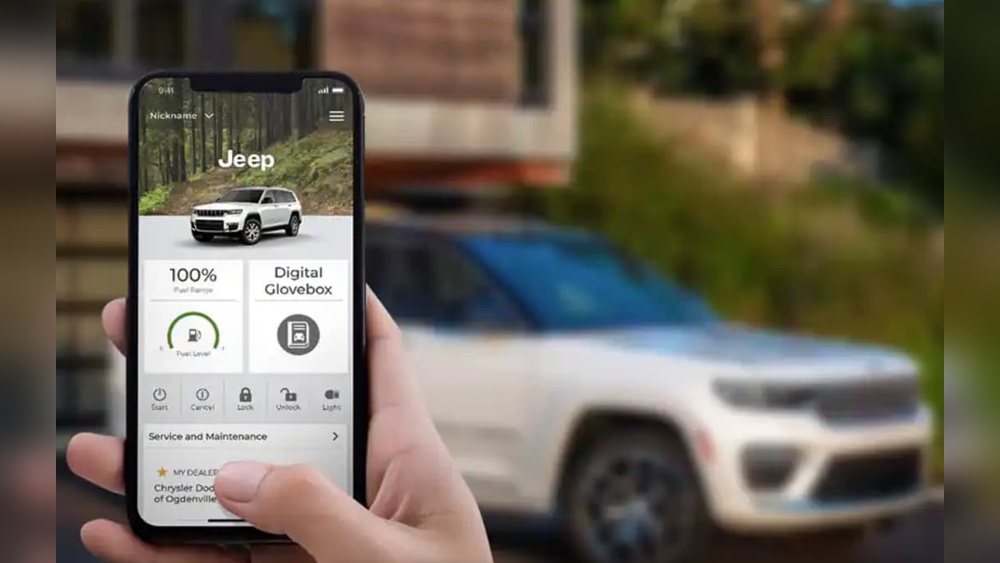
Step-by-step: Starting Your Jeep With A Key
The process varies slightly based on your Jeep’s model and key type. Here’s a general step-by-step method for starting most Jeep vehicles with a key:
- Insert the key into the ignition slot. Make sure the key is clean and undamaged.
- Turn the key to the “On” position (usually the first click). Dash lights and electronics should activate.
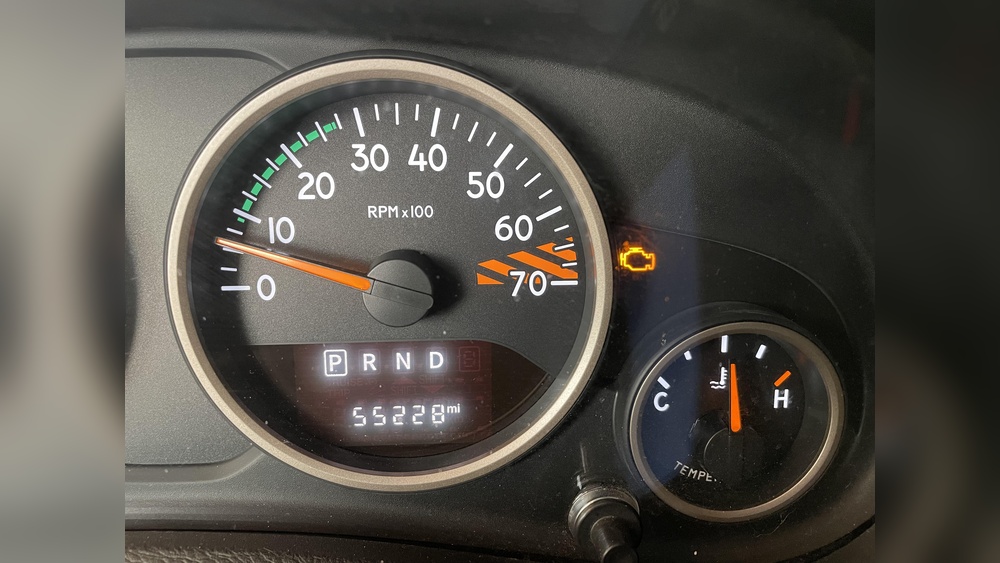
- Check dashboard indicators. Look for warning lights such as the security icon or engine light. If any warning lights stay on, address them before continuing.
- Press the brake pedal (especially for automatic transmissions).
- Turn the key further to the “Start” position. Hold briefly until the engine starts. Do not hold for more than 5 seconds.
- Release the key as soon as the engine turns over. The key should return to the “On” position automatically.
Some Jeeps require the clutch pedal to be depressed for manual transmissions. Always check your owner’s manual for specific instructions.
Practical Tips For Reliable Starting
- If your Jeep does not start, check the battery status. Weak batteries are a common cause of ignition failure.
- For transponder keys, avoid metal objects near the key, as they can interfere with the signal.
- In cold weather, turn the key to “On” for a few seconds before starting to allow fuel pumps and electronics to prime.

Troubleshooting Common Issues
Starting problems are frustrating but often easy to solve. Here are typical issues and how to address them:
| Problem | Possible Cause | Action |
|---|---|---|
| Nothing happens when key turns | Dead battery | Check battery, jump-start if needed |
| Engine turns but doesn’t start | Fuel or ignition issue | Check fuel level, ignition system |
| Security light stays on | Key not recognized | Try spare key, visit dealer |
Transponder key issues are often solved by using a backup key. If you lose all keys, programming a new one can only be done at a dealership or specialized locksmith.
Comparing Jeep Starting Methods
Jeep vehicles now come with several starting systems. Here’s how starting with a key compares to other methods:
| Starting Method | Ease of Use | Security | Reliability |
|---|---|---|---|
| Physical Key | Simple | High (with transponder) | Very Reliable |
| Remote Start | Very Convenient | Medium | Depends on battery/fob |
| Push-Button Start | Easy | High | Reliable, but fob needed |
Starting with a key remains the most reliable method, especially if you want to avoid issues with battery-powered fobs or electronics.
Advanced Safety And Security Tips
Jeep vehicles are targeted for theft more than many other brands, especially older models. Here’s how to protect your Jeep:
- Always park in a well-lit area.
- Use a steering wheel lock for extra security.
- If your Jeep has a transponder system, avoid leaving the key inside the vehicle.
- Consider installing a kill switch or aftermarket alarm.
A common mistake is ignoring warning lights. Always check dashboard signals before starting. If the security indicator flashes, your Jeep may not start even if the key turns.
Non-obvious Insights For Jeep Owners
Many Jeep owners do not realize that:
- Key wear and tear can cause starting failures. If your key feels loose or does not turn smoothly, it may be time to replace it.
- Aftermarket keys sometimes lack the correct chip programming. Always verify with your dealer if your new key works for both locking and starting.
- Some Jeeps allow emergency start procedures. For example, certain models let you start the car by holding the key fob against the push-button if the fob battery is dead.
Frequently Asked Questions
How Do I Start My Jeep If The Key Fob Battery Is Dead?
Most newer Jeeps have a hidden physical key inside the fob. Use this to unlock the door. If your Jeep has a push-button start, press the fob against the button while starting. This uses passive RFID, allowing the car to detect the key.
What Should I Do If My Jeep Doesn’t Recognize My Key?
Try your spare key first. If both keys fail, the transponder system may need resetting. Visit your dealer or a certified locksmith for help. Do not attempt to reprogram keys yourself, as this can cause more issues.
Is It Possible To Start A Jeep With A Copied Key?
A copied metal key may unlock doors, but will not start the engine if your Jeep uses a transponder system. The chip inside the original key must match the vehicle. Only keys programmed by authorized services will work.
Why Does My Jeep Sometimes Not Start In Cold Weather?
Cold temperatures affect battery performance. Turn your key to the “On” position for a few seconds before starting, allowing electronics to warm up. If problems continue, check your battery and starter motor.
Can I Use A Remote Starter And Key Interchangeably?
Yes, you can use both if your Jeep supports remote start. However, the physical key is always reliable. If your remote starter fails due to battery or signal issues, the key will still work.
Starting your Jeep with a key is often the most dependable method, even as technology evolves. By understanding your Jeep’s key type and following proper procedures, you can prevent most starting issues and keep your vehicle secure. Always pay attention to warning signs, and don’t hesitate to seek help if you encounter persistent problems. For more technical details and model-specific advice, visit the official Jeep website.