Owning a Jeep gives you the power to tackle tough terrain, but understanding how to use 4WD is essential for safe and enjoyable driving. Many drivers feel unsure about putting their Jeep into four-wheel drive, especially if they’re new to off-roading or winter driving. This guide will help you confidently engage 4WD, avoid common mistakes, and know when to use each mode. Whether you drive a classic Wrangler or a newer Grand Cherokee, you’ll find clear steps and practical tips inside.
Understanding Jeep 4wd Modes
Jeep vehicles come with different types of 4WD systems. Knowing which system you have is the first step. Here’s a quick overview:
| 4WD System | Main Features | Best Use |
|---|---|---|
| Part-Time 4WD | Manual shifting, 2WD/4WD High/Low | Off-road, slippery roads |
| Full-Time 4WD | Always on, automatic adjustment | All conditions, daily driving |
| Automatic 4WD | Switches as needed | Mixed terrain, unpredictable weather |
Most Wranglers and Gladiators use part-time 4WD, while Grand Cherokee models often have full-time or automatic 4WD. Check your owner’s manual if you’re unsure.
When Should You Use 4wd?
Using 4WD is not always necessary. It’s best for:
- Loose gravel, sand, or mud
- Snow and ice
- Steep hills or rocky paths
- Water crossings
Avoid using 4WD on dry pavement. This can cause drivetrain binding, which may damage your Jeep.
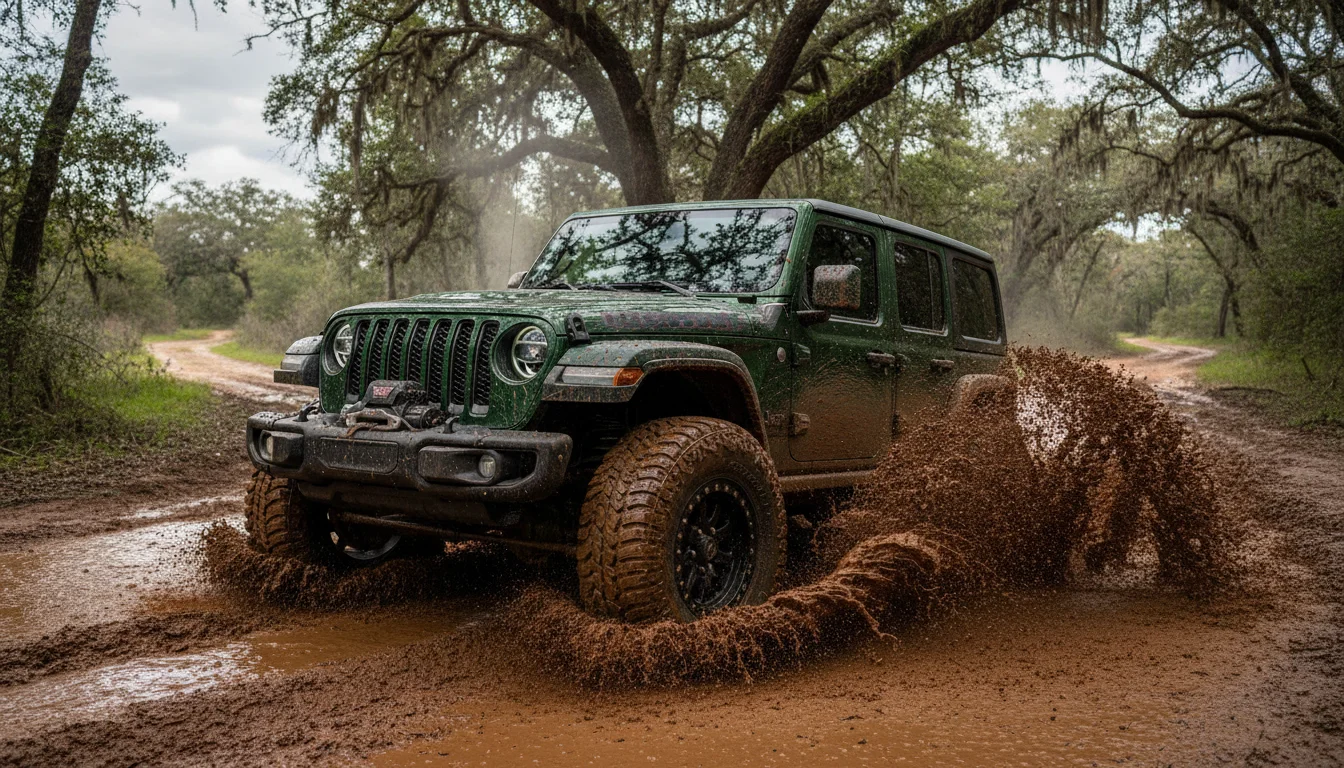
How To Put Your Jeep Into 4wd
The process depends on your Jeep’s system. Here are clear steps for both manual (lever) and electronic (switch) systems.
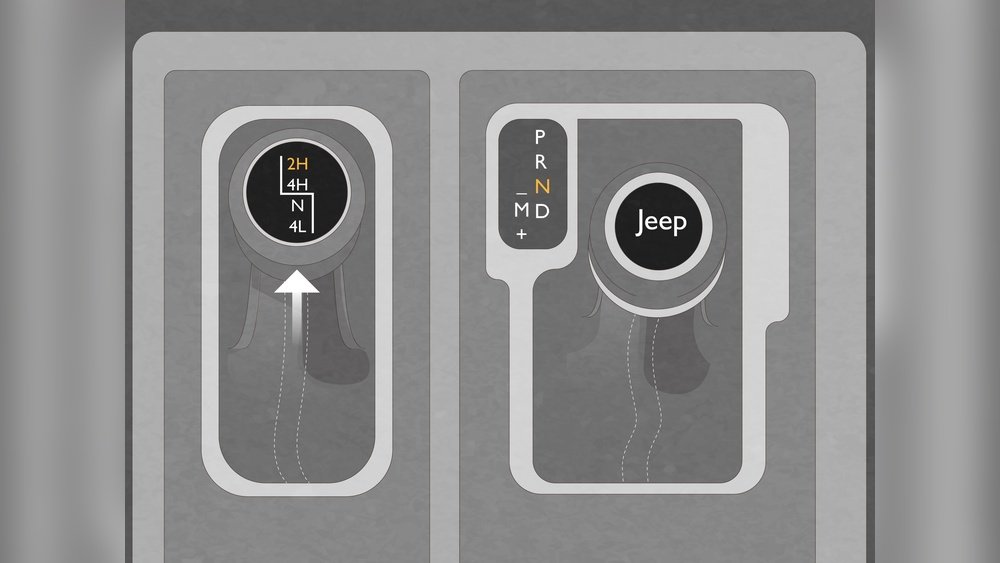
Manual Shift Lever (most Wranglers, Gladiators)
- Stop or slow down: For 4WD Low, come to a complete stop. For 4WD High, you can shift while moving under 55 mph.
- Move the lever: Firmly shift from 2H (two-wheel drive high) to 4H (four-wheel drive high) for slippery conditions. For rough terrain, shift from 4H to 4L (four-wheel drive low).
- Check indicator: Look for the 4WD indicator light on your dashboard. This confirms engagement.
- Drive gently: After shifting, accelerate slowly. Listen for abnormal noises.
Electronic Selector (cherokee, Grand Cherokee)
- Engage while moving: You can switch from 2WD to 4WD at speeds below 60 mph.
- Select mode: Use the knob or button labeled 4WD High or 4WD Low.
- Wait for confirmation: The dashboard light should illuminate.
- For 4WD Low: Stop, shift to neutral, then press 4WD Low.
Here’s a comparison of shifting procedures:
| System | Shift While Moving? | 4WD Low Steps |
|---|---|---|
| Manual Lever | Yes (4H), No (4L) | Stop, shift to neutral, move lever to 4L |
| Electronic Selector | Yes (4H), No (4L) | Stop, shift to neutral, select 4L |
Common Mistakes To Avoid
Many new Jeep owners make errors that can lead to expensive repairs or unsafe driving. Watch out for these pitfalls:
- Shifting on dry pavement: This strains the drivetrain.
- Changing to 4WD Low at high speed: Always stop and shift to neutral first.
- Forgetting to disengage: After leaving rough terrain, switch back to 2WD or Auto 4WD.
- Ignoring warning lights: If the 4WD indicator flashes or stays on, check your manual or seek service.
One non-obvious mistake is not checking tire pressure before engaging 4WD. Uneven tires can affect traction and make the system work harder.

Practical Tips For Using 4wd
Here are some insights to help you use 4WD more effectively:
- Test before needed: Practice shifting into 4WD in a safe area before facing real challenges.
- Keep speed low in 4WD Low: Maximum speed is usually 25 mph.
- Use straight wheels: Shifting is easier when wheels are not turned sharply.
- Know your Jeep’s limits: Not all Jeeps are equally capable. For example, Renegade models handle light snow but aren’t suited for deep mud.
Here’s a quick reference for maximum recommended speeds:
| Mode | Max Speed | Notes |
|---|---|---|
| 4WD High | 55-60 mph | Use for slippery roads |
| 4WD Low | 25 mph | Use for tough terrain |
Always check your model’s manual for exact numbers.
Real-world Examples
Let’s look at two scenarios:
- Winter storm: A driver in Michigan shifts from 2WD to 4WD High while driving at 30 mph. Traction improves instantly, and the Jeep handles snowy roads safely.
- Off-road trail: A Wrangler owner stops, shifts to neutral, and engages 4WD Low before tackling steep rocks. The lower gear gives extra torque and control.
Many beginners wait until they’re stuck before using 4WD. Experienced drivers know to engage it before trouble starts.

Maintenance And Safety
Regular maintenance keeps your 4WD system working smoothly. Change transfer case fluid every 30,000 miles, inspect axles, and check for leaks. If you hear clicking or grinding, get your Jeep checked.
Never force the shift lever or selector. If it’s stuck, stop and let the vehicle settle, then try again. For more details on Jeep maintenance, see Jeep Official Owner Site.
Frequently Asked Questions
How Do I Know If My Jeep Is In 4wd?
Check the dashboard indicator light. It should show “4WD” or “4×4” when engaged. Listen for changes in engine sound or feel in handling.
Can I Shift Into 4wd While Driving?
Yes, for 4WD High, you can shift while moving under 55–60 mph. For 4WD Low, always stop and shift to neutral before engaging.
Is It Safe To Use 4wd On Dry Pavement?
No, using 4WD on dry pavement can cause drivetrain damage and poor handling. Use it only on slippery or loose surfaces.
What’s The Difference Between 4wd High And 4wd Low?
4WD High is for regular slippery conditions like snow or mud. 4WD Low provides more torque and control for tough terrain such as rocks or deep sand.
What Should I Do If My 4wd Won’t Engage?
Check that you’re following the correct shifting steps. If the light doesn’t come on, stop and retry. If it still fails, consult a mechanic or your owner’s manual.
Getting comfortable with your Jeep’s 4WD system opens up new driving possibilities. With the right knowledge, you can tackle bad weather and tough terrain confidently. Use these steps and tips to avoid mistakes and protect your vehicle. And remember, test your 4WD before you need it—practice makes perfect.