Rotating dually tires is not as simple as rotating regular tires. Dually trucks, often used for towing and heavy hauling, have two wheels on each side of the rear axle. This setup improves stability and load capacity, but it makes tire maintenance more complex.
If you rotate dually tires correctly, you can extend their life, improve safety, and avoid uneven wear. This guide will help you understand the process, the reasons behind it, and the best practices for rotating dually tires.
Why Rotating Dually Tires Matters
Dually trucks carry more weight on the rear wheels. Over time, the inner rear tires wear differently than the outer ones, and the front tires wear differently from the rear. Uneven wear leads to reduced traction, possible blowouts, and costly replacements.

According to the Tire Industry Association, rotating tires every 5,000–8,000 miles can extend their lifespan by up to 25%. For dually trucks, this routine is even more critical because the extra load affects tire condition faster.
Understanding Dually Tire Positions
Before you start, it’s important to know the positions of dually tires. Here’s a breakdown:
- Front tires: 2 (left and right)
- Rear tires: 4 (inner left, outer left, inner right, outer right)
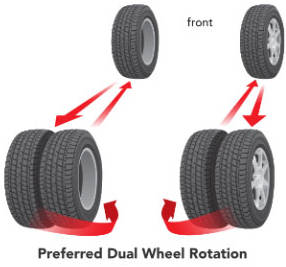
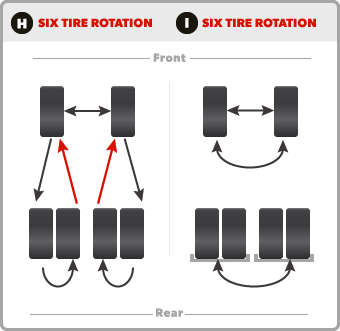
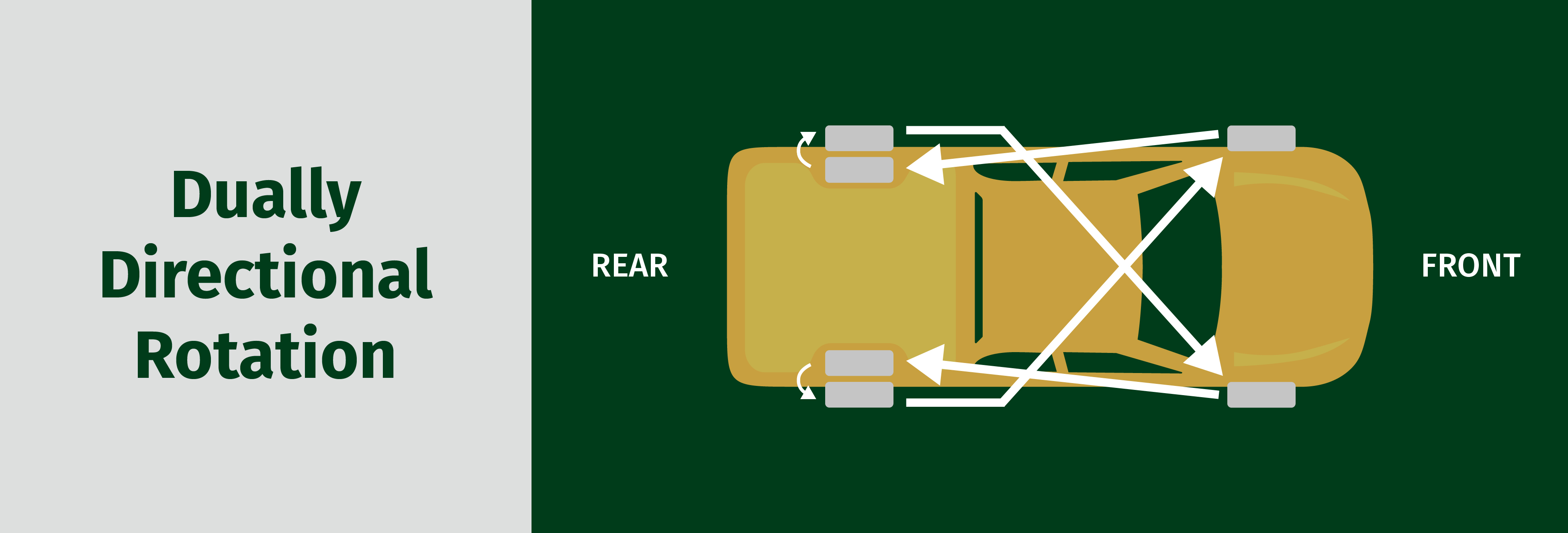
The goal is to balance wear by moving tires between these positions. Look at this common rotation pattern for six-wheel dually trucks:
| Position | Before Rotation | After Rotation |
|---|---|---|
| Front Left | Front Left | Rear Inner Left |
| Front Right | Front Right | Rear Inner Right |
| Rear Inner Left | Rear Inner Left | Front Left |
| Rear Inner Right | Rear Inner Right | Front Right |
| Rear Outer Left | Rear Outer Left | Rear Outer Right |
| Rear Outer Right | Rear Outer Right | Rear Outer Left |
This pattern is called the cross rotation. It helps even out the different wear rates.
Tools And Safety Equipment Needed
You must have the right tools to rotate dually tires safely. Here’s what you need:
- Jack rated for trucks
- Jack stands
- Torque wrench
- Lug wrench
- Wheel chocks
- Work gloves
Always work on a flat surface and set the parking brake. Use wheel chocks to prevent the truck from rolling.
Step-by-step Guide To Rotating Dually Tires
Follow these steps to rotate dually tires:
- Loosen lug nuts: Before lifting the truck, use the lug wrench to break loose the lug nuts on all wheels. Do not remove them yet.
- Lift the vehicle: Use the jack to raise one side of the truck. Place jack stands under the axle for support.
- Remove wheels: Take off the wheels. Keep track of which tire came from which position.
- Inspect tires: Check for uneven wear, cracks, or damage. Replace any tire that looks unsafe.
- Rotate tires: Move tires according to the cross rotation pattern. For example, front tires become rear inner tires, and rear inner tires go to the front.
- Reinstall wheels: Put wheels back on and hand-tighten lug nuts.
- Lower the vehicle: Remove jack stands and lower the truck.
- Torque lug nuts: Use the torque wrench to tighten lug nuts to the manufacturer’s specification.
Here’s another way to visualize tire movement:
| Original Position | New Position |
|---|---|
| Front Left | Rear Inner Left |
| Front Right | Rear Inner Right |
| Rear Inner Left | Front Left |
| Rear Inner Right | Front Right |
| Rear Outer Left | Rear Outer Right |
| Rear Outer Right | Rear Outer Left |
Practical Tips For Better Tire Rotation
- Rotate tires every 5,000–8,000 miles or as recommended by your manufacturer.
- Always check tire pressure after rotation. Proper inflation prevents uneven wear.
- If you tow heavy loads often, rotate tires more frequently.
- Mark each tire’s position with chalk before removing them. This helps avoid confusion.
- Check the lug nut torque after driving 50–100 miles post-rotation.
One insight many beginners miss: Rear inner tires usually wear faster due to carrying more load. Pay extra attention to these during inspection.
Common Mistakes To Avoid
- Not following the correct rotation pattern. Mixing up positions causes uneven wear.
- Skipping inspection. You might miss a damaged tire.
- Ignoring torque specs. Overtightening or undertightening lug nuts can cause wheel failure.
- Not balancing tires. If you notice vibration after rotation, get the tires balanced.
- Using the wrong tools. A car jack isn’t strong enough for a dually truck.
Another thing beginners overlook: If your tires are directional (have a specific rotation direction), check the sidewall markings. Rotating them incorrectly can reduce performance.
When To Replace Dually Tires Instead Of Rotating
Sometimes, rotating tires won’t fix wear issues. Replace tires if:
- Tread depth is below 4/32 inch for front or 2/32 inch for rear.
- There are deep cracks or bulges.
- Tires have uneven wear patterns that cannot be fixed.
Modern dually trucks often have tire pressure monitoring systems (TPMS). If the warning light is on after rotation, reprogram the system.
Frequently Asked Questions
How Often Should I Rotate Dually Tires?
Rotate dually tires every 5,000–8,000 miles or as recommended by your vehicle’s manual. Frequent rotation is important if you tow heavy loads or drive in harsh conditions.
Can I Rotate Dually Tires Myself?
Yes, you can rotate dually tires yourself if you have the right tools and follow safety steps. However, some shops use special equipment for balancing and inspection.
What Is The Best Rotation Pattern For Dually Tires?
The cross rotation pattern is most common. It swaps front tires with rear inner tires and rear outer tires with each other.
Do I Need To Balance Dually Tires After Rotation?
It’s a good idea. Balancing prevents vibration and extends tire life. If you notice shaking after rotation, get them balanced.
Where Can I Find More Information About Dually Tire Maintenance?
For more details, visit the Tire Rack tire tech page, which offers expert advice and resources.
Rotating dually tires is essential for safety and cost savings. By following the correct steps, using the right tools, and keeping up with regular maintenance, you’ll enjoy better performance and longer tire life. Remember to check your tires often and consult professionals if you notice unusual wear or vibration.