Taking off the hard top from your Jeep isn’t just about style—it’s about freedom. Whether you’re preparing for summer, off-road adventures, or just want to enjoy open-air driving, removing the hard top lets you connect with the outdoors in a unique way.
But the process can seem intimidating, especially if you’re new to Jeep ownership. This guide will walk you through each step, highlight common mistakes, and share pro tips so you can remove your Jeep’s hard top safely and efficiently.
Understanding Your Jeep’s Hard Top
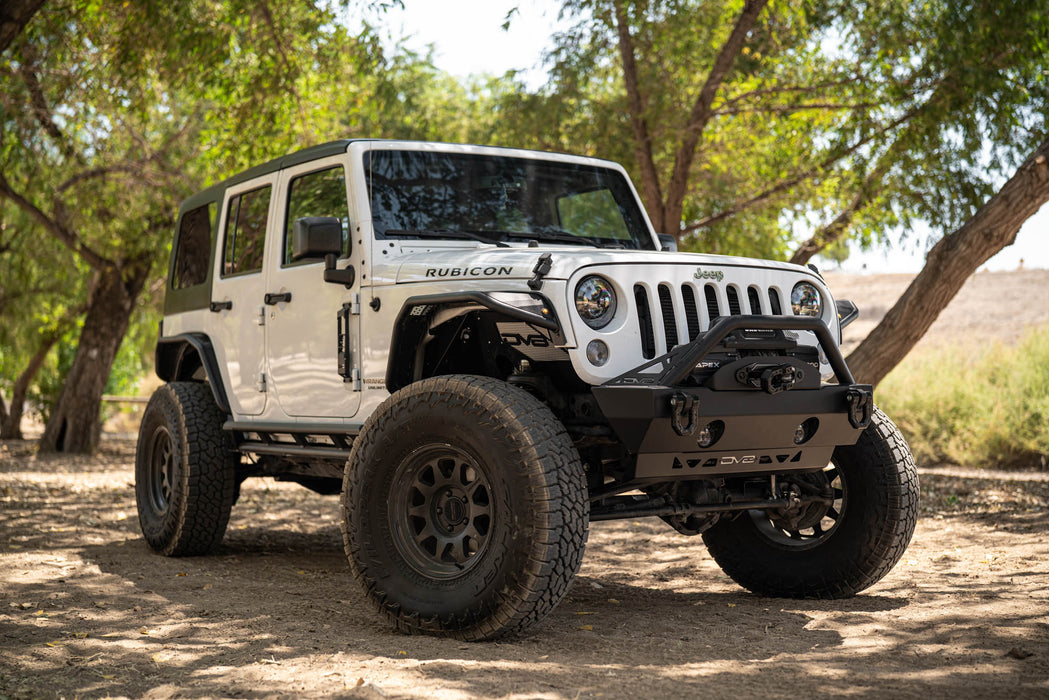
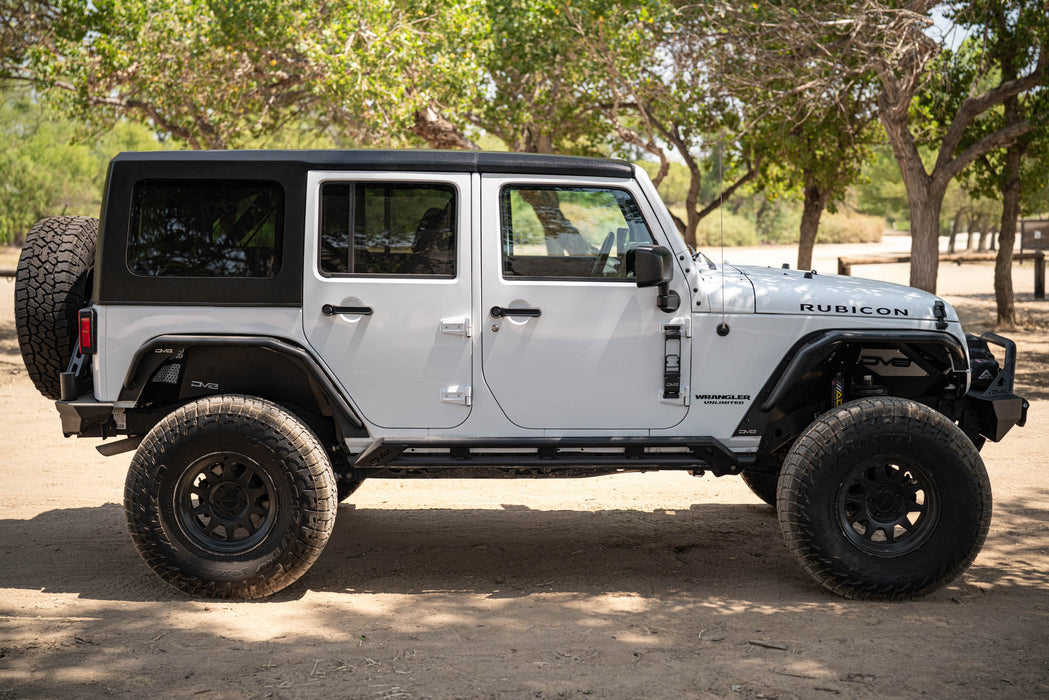
The hard top is a sturdy, removable roof made of fiberglass or composite materials. Most Jeep Wranglers and Gladiators come with two- or three-piece designs. These tops provide excellent protection from weather and theft but are heavier and more complex to remove than soft tops.
Here’s a quick comparison between Jeep hard tops and soft tops:
| Feature | Hard Top | Soft Top |
|---|---|---|
| Weather Protection | Excellent | Moderate |
| Noise Level | Low | High |
| Security | High | Low |
| Ease of Removal | Moderate | Easy |
| Weight | Heavy | Light |
Preparation: What You Need
Before you start, gather these tools and check your workspace:
- Torx bit set (usually T40 or T50)
- Ratchet or screwdriver
- Storage bags for bolts and panels
- Soft cloths to protect paint
- A friend (recommended for lifting)
- Open space (garage or driveway)
Some Jeep models include a tool kit for this job. Always check your owner’s manual for specifics.
Step-by-step: Removing The Hard Top
1. Remove The Freedom Panels
Most newer Jeeps have Freedom Panels—small roof sections above the driver and passenger seats.
- Flip the latches near the windshield.
- Unscrew the knobs or bolts securing the panels.
- Lift the panels off and store them safely.
2. Disconnect Electrical Connections
Hard tops often have wiring for rear window defrosters and wipers.
- Open the trunk area.
- Unclip the wire harness and washer hose from the driver’s side (usually).
- Set connectors aside gently—don’t yank.
3. Unscrew The Main Bolts
The hard top is secured by several bolts inside the cargo area.
- Use a Torx bit to remove bolts along the sides and back.
- Keep bolts in a labeled bag.
- Don’t rush—stripped bolts can be expensive to fix.
Here’s a quick bolt count for popular Jeep models:
| Jeep Model | Bolt Count | Freedom Panels |
|---|---|---|
| Wrangler JL 2-Door | 6 | Yes |
| Wrangler JL 4-Door | 8 | Yes |
| Gladiator JT | 6 | Yes |
4. Lift Off The Hard Top
This is where you need help. Hard tops can weigh 80–140 lbs (36–63 kg).
- With a friend, grip the sides and lift evenly.
- Move slowly to avoid scratching paint or damaging seals.
- Set the top on a soft surface.
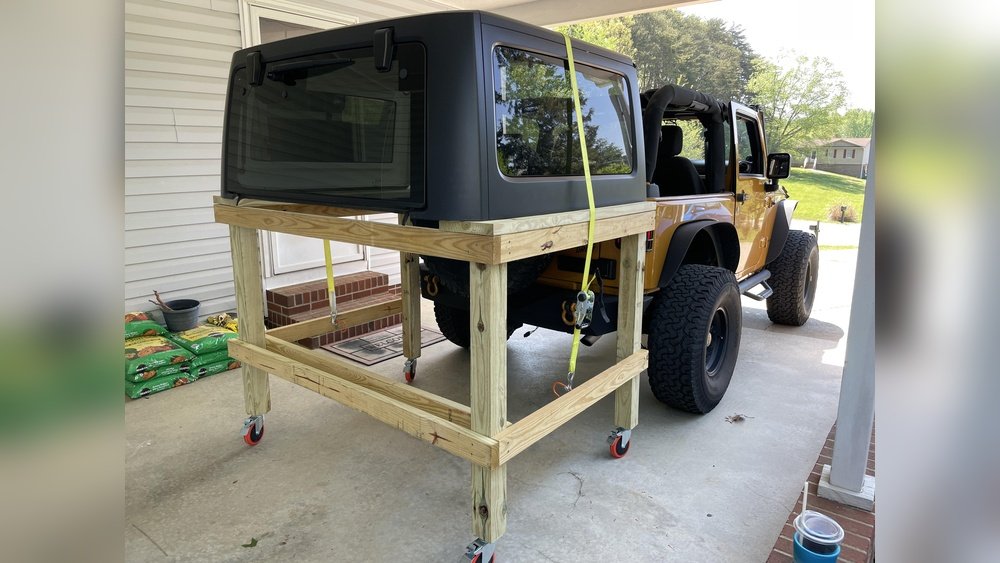
Some owners use a hoist system in their garage for easier removal. If you plan to remove the top often, this investment can save time and effort.
Storage And Maintenance Tips
Storing your hard top properly will prevent damage and keep it ready for reinstallation.
- Place it on a padded surface, not bare concrete.
- Cover with a blanket or tarp to protect from dust and sunlight.
- Keep bolts and small parts together—losing one can cause headaches later.
- Regularly check seals for wear or cracks.
A smart storage solution is to use a dedicated rack or wall mount. This keeps the top off the ground and saves space.
Common Mistakes And How To Avoid Them
Many Jeep owners make avoidable errors when removing their hard top. Here are the most frequent:
- Forgetting to disconnect wires: This can break connectors and cause expensive repairs.
- Losing bolts: Always use labeled bags or magnetic trays.
- Rushing the process: Take your time. Hurrying leads to scratches and broken seals.
- Trying to lift alone: The top is heavy. Always ask for help.
- Improper storage: Leaving the top on rough surfaces causes cracks and paint damage.
One non-obvious tip: Before reinstalling, clean all seals and apply a silicone lubricant. This prevents leaks and makes the top easier to remove next time.
Hard Top Removal Vs. Soft Top Conversion
Some Jeep owners consider swapping to a soft top for easier removal. Here’s a direct comparison:
| Aspect | Hard Top Removal | Soft Top Conversion |
|---|---|---|
| Time Needed | 30–60 minutes | 10–20 minutes |
| Tools Required | Torx bits, ratchet | None or minimal |
| Protection | High | Moderate |
| Year-Round Usability | Yes | Depends on climate |
If you prefer frequent roof changes, a soft top may be a practical investment. However, hard tops are better for cold, wet weather and offer more security.

Frequently Asked Questions
How Heavy Is A Jeep Hard Top?
Most hard tops weigh between 80 and 140 pounds. Two people can lift it easily, but single-person removal is risky.
Can I Remove The Hard Top Alone?
It’s possible, but not recommended. The risk of dropping or damaging the top is high. Use a friend or a hoist system for safety.
Do I Need Special Tools For Removal?
You need a Torx bit set (usually T40 or T50), which is included in most Jeep tool kits. No advanced tools are required.
Will Removing The Hard Top Affect My Jeep’s Warranty?
No, removing the hard top is a standard operation. However, damaging wires or seals during the process may void certain coverage.
Where Can I Find More Detailed Removal Instructions?
For official guidance and illustrations, visit the Jeep Official Site.
Taking off your Jeep’s hard top gives you a new sense of adventure. If you plan ahead, use the right tools, and avoid common mistakes, the process is simple and safe. With the top stored properly, you’re ready for open-air driving whenever the mood strikes.