Towing a vehicle can be stressful, especially if you’re not familiar with the process. For Jeep Wrangler owners, the good news is that flat towing—pulling your Jeep behind another vehicle with all four wheels on the ground—is not just possible, but also quite popular. Many people choose flat towing for RV trips, overlanding, and even cross-country moves. This article explains exactly how to flat tow a Jeep Wrangler safely, with practical advice and tips to avoid common mistakes.
Why Flat Tow A Jeep Wrangler?
The Jeep Wrangler is well-suited for flat towing. Most models have a transfer case with a true neutral position, which disconnects the transmission from the wheels. This means you can tow the vehicle without causing damage to the drivetrain. Flat towing is more convenient than using a trailer, takes less storage space, and lets you quickly set up or break camp on road trips.
What You Need For Flat Towing
Before you begin, you’ll need a few essential components:
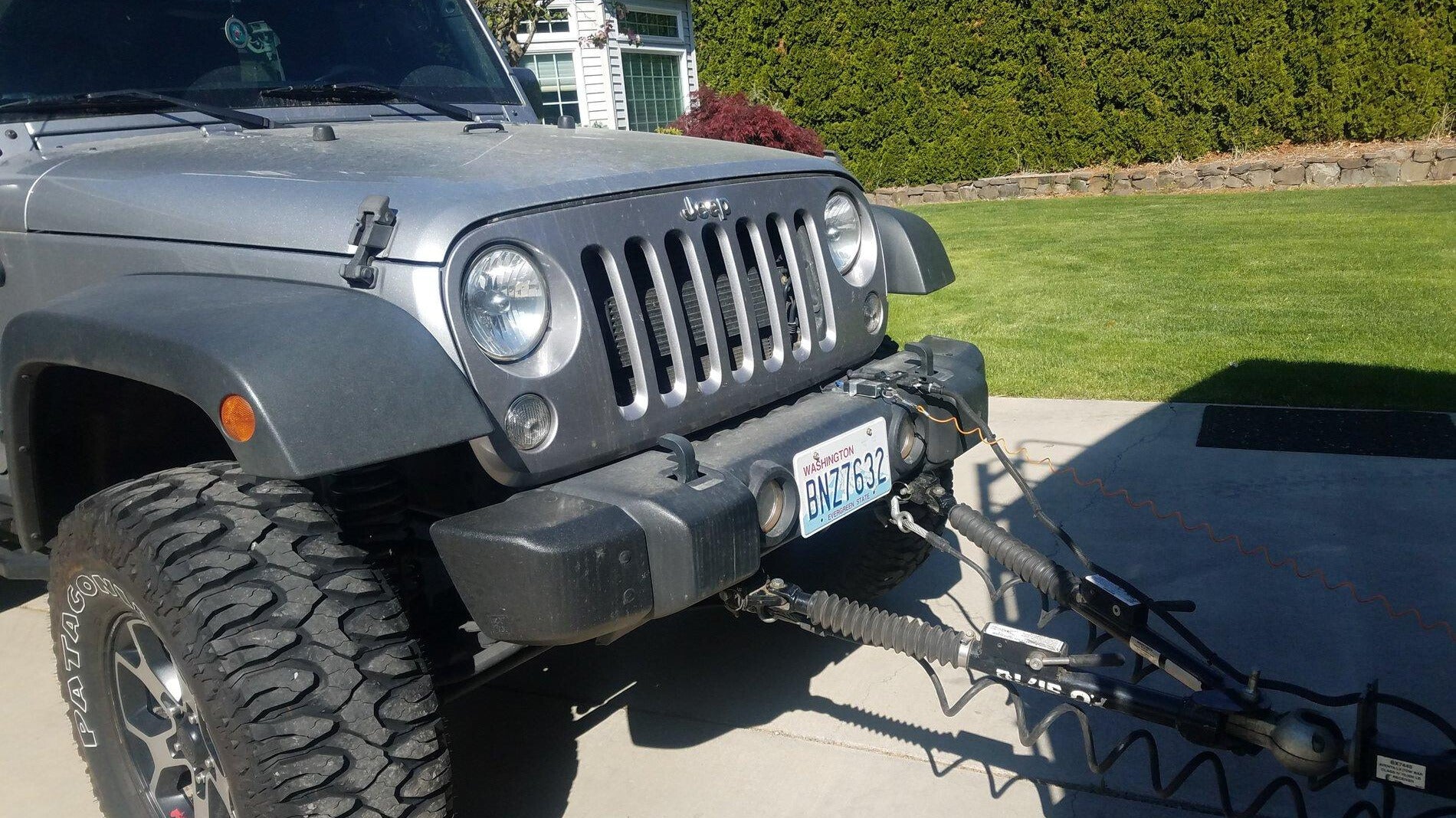
- Tow bar – Connects the Jeep to the towing vehicle.
- Base plate – Bolted to the Jeep’s frame; the tow bar attaches here.
- Safety cables – Backup in case the tow bar fails.
- Supplemental braking system – Helps stop the Jeep during towing.
- Wiring harness – Synchronizes the Jeep’s taillights with the tow vehicle.
- Tow light kit – Sometimes needed for extra visibility.
- Hitch receiver – On the towing vehicle, rated for the combined weight.
Most Wrangler models from 1997 and newer are designed for flat towing. Always check your owner’s manual to confirm.
Typical Flat Towing Setup Costs
Here’s a comparison of average costs for the required parts:
| Item | Average Cost (USD) |
|---|---|
| Tow Bar | $350–$900 |
| Base Plate | $400–$600 |
| Supplemental Braking System | $350–$1,200 |
| Wiring Harness/Tow Light Kit | $100–$300 |
| Installation (optional) | $400–$1,000 |
DIY installation can save money, but professional help ensures safety and compliance.
Step-by-step Guide To Flat Towing A Jeep Wrangler
Flat towing a Jeep Wrangler is straightforward if you follow these steps:
1. Install Tow Components
Attach the base plate to your Jeep’s frame. Connect the tow bar from the base plate to the towing vehicle’s hitch receiver. Secure safety cables between both vehicles.
2. Set Up Electrical Connections
Plug in the wiring harness or tow light kit to make sure your Jeep’s brake and signal lights work with the tow vehicle.
- Prepare the Jeep for Towing
- Place the transmission in Park (automatic) or 1st gear (manual).
- Put the transfer case in Neutral. This is critical to prevent drivetrain damage.
- Confirm the steering wheel is unlocked. This may require the key in the “accessory” position for older models.
- Release the parking brake.
- Check Supplemental Braking
Install and test your supplemental braking system. This device helps control the Jeep’s speed when the towing vehicle brakes.
5. Final Safety Checks
Walk around both vehicles. Check all connections, lights, and brakes. Make sure nothing is loose or rubbing against the ground.
Transmission And Transfer Case Settings
For clarity, here’s how to set your Jeep’s transmission and transfer case:
| Transmission Type | Gear Position | Transfer Case Position |
|---|---|---|
| Automatic | PARK | NEUTRAL |
| Manual | 1st GEAR | NEUTRAL |
Do not skip this step—improper settings can destroy your Jeep’s transmission.
Common Mistakes To Avoid
Even experienced owners sometimes make errors. Here are mistakes to watch for:
- Incorrect transfer case position – Always double-check before towing.
- Forgetting the steering lock – The front wheels must turn freely.
- No supplemental brakes – Many states require them by law for safety.
- Ignoring weight limits – The tow bar and hitch must be rated for the Wrangler’s weight.
- Skipping wiring checks – Non-working lights can cause accidents or tickets.

Practical Tips For Safe Flat Towing
- Practice before a long trip. Start in an empty parking lot to get comfortable.
- Check tire pressure on both vehicles before every trip.
- Stop and inspect all connections every 100 miles or after rough roads.
- Drive slower than usual. Most experts recommend not exceeding 65 mph.
- Use quality safety cables. Cheap cables can snap under stress.
Useful Data: Jeep Wrangler Towing Weights
Most Jeep Wranglers (2-door and 4-door) weigh between 3,900 and 4,500 pounds. Always check your specific model’s curb weight, and make sure your towing setup can handle it.
| Wrangler Model | Curb Weight (lbs) | Flat Towable? |
|---|---|---|
| Wrangler JL (2018+) | 3,970–4,439 | Yes |
| Wrangler JK (2007–2018) | 3,760–4,439 | Yes |
| Wrangler TJ (1997–2006) | 3,241–3,671 | Yes |
When Not To Flat Tow
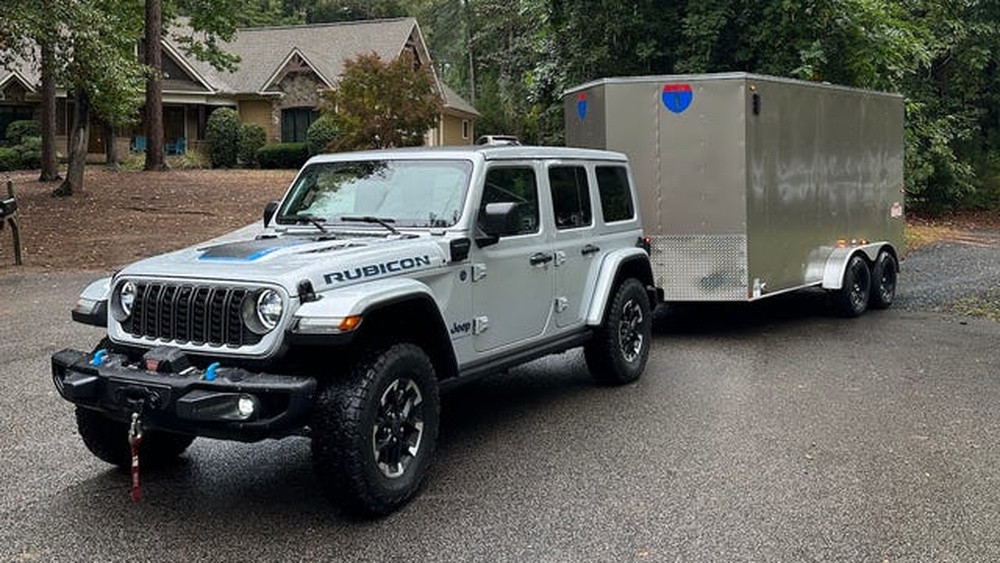
Some Jeep Wranglers cannot be flat towed safely. For example, the Wrangler 4xe plug-in hybrid must not be flat towed due to its electric drivetrain. Always read the latest owner’s manual for your model.
Final Thoughts
Flat towing a Jeep Wrangler is a practical and safe way to bring your vehicle on adventures, as long as you follow the correct steps and use the right equipment. Remember to double-check your transfer case setting, invest in a good supplemental braking system, and inspect all connections regularly. Taking a little extra time for safety can save you from costly repairs and accidents. For more technical details, you can refer to the official Jeep website.
Frequently Asked Questions
Can All Jeep Wranglers Be Flat Towed?
Not every Wrangler can be flat towed. Most models with a manual transfer case (like TJ, JK, and JL) are flat-towable, but hybrid or electric models such as the Wrangler 4xe are not.
What Speed Should I Drive When Flat Towing?
You should not exceed 65 mph when flat towing a Jeep Wrangler. Driving slower is safer and reduces wear on your towing equipment.
Do I Need A Braking System When Flat Towing?
Yes, a supplemental braking system is essential. It improves safety, is required by law in many states, and protects both vehicles during stops.
Can I Flat Tow With The Transfer Case In 4wd?
No, always set the transfer case to Neutral. Towing with the transfer case in 4WD can cause severe drivetrain damage.
How Often Should I Check My Towing Setup During A Trip?
Stop to check all connections, cables, and lights at least every 100 miles or after rough road conditions. This helps prevent accidents and equipment failure.