If you drive regularly, you know how important power steering is for comfort and safety. It makes turning the wheel easy, even when your car is heavy or moving slowly. But what happens when power steering starts to fail? Recognizing early signs can save you from dangerous situations and expensive repairs. Many drivers ignore small changes, leading to bigger problems later. This guide will help you spot the signals, understand the reasons, and know what to do if your power steering is going out.
Signs Your Power Steering Is Going Out
You don’t need to be a mechanic to notice power steering issues. Here are the most common warning signs.
1. Hard Steering Wheel
If your steering wheel feels stiff or takes extra effort to turn, something is wrong. Normally, you should be able to steer with one hand. When the wheel resists movement, the power steering system is struggling.
2. Noisy Steering
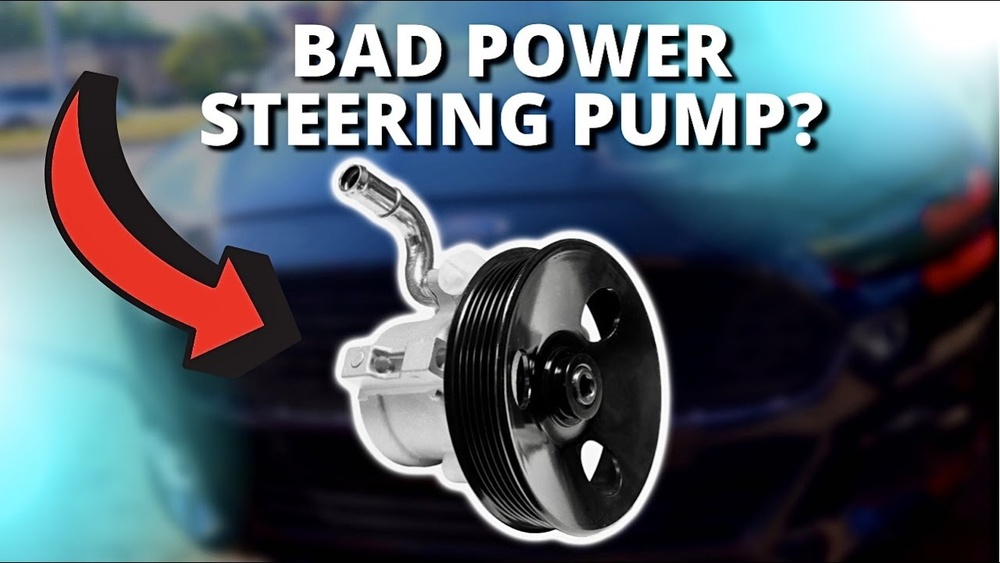
Listen for squealing, groaning, or whining noises when you turn the wheel. These sounds often mean low power steering fluid or a failing pump. The noises are usually loudest when turning at low speeds.
3. Fluid Leaks
Check under your car for puddles or spots. Power steering fluid is usually red or pink. Losing fluid causes the system to lose pressure, making steering difficult.
4. Steering Wheel Vibrations
If your steering wheel shakes or vibrates, especially when turning, it may signal a failing steering rack or pump.
5. Delayed Response
When you turn the wheel and the car reacts slowly, the system may be losing pressure. This delay can be dangerous, especially in emergencies.
6. Warning Light
Many modern cars have a power steering warning light. If it turns on, check your owner’s manual and inspect the system right away.
What Causes Power Steering Failure?
Understanding the reasons behind power steering problems can help you prevent them.
| Cause | Effect | Prevention |
|---|---|---|
| Low fluid | Hard steering, noise | Check fluid level monthly |
| Worn pump | Whining sound, slow response | Replace after 100,000 miles |
| Leaky hoses | Fluid loss, steering failure | Inspect for leaks yearly |
| Faulty rack | Vibrations, steering issues | Check for play in steering |
Hydraulic Vs Electric Power Steering
Modern cars have either hydraulic or electric power steering. Each type fails differently.
| Type | Main Issue | Common Symptoms |
|---|---|---|
| Hydraulic | Fluid leaks, pump wear | Noises, stiff wheel, leaks |
| Electric | Electrical faults, motor issues | Warning light, sudden failure |
Hydraulic systems use fluid and pumps. Electric systems rely on sensors and motors. If your car uses electric steering, you may not notice fluid leaks. Instead, you’ll see warning lights or lose steering help suddenly.

How To Check Power Steering Health
Regular checks can catch problems early and keep your car safe.
1. Inspect Fluid Level
Open the hood and find the power steering reservoir. The level should be between the minimum and maximum marks. If low, top up with the correct fluid.
2. Look For Leaks
Check around the reservoir, hoses, and under the car. A leak is a clear sign that something needs repair.
3. Listen During Turns
With the engine running, turn the wheel fully left and right. Listen for unusual sounds.
4. Test At Low Speeds
Steer in a parking lot or driveway. If the wheel feels stiff or slow, get your system checked.
5. Check For Warning Lights
Pay attention to dashboard lights. If the power steering icon appears, don’t ignore it.
Example: Early Detection Saves Money
A driver noticed a whining noise each morning. He checked his fluid and found it low. After topping up, the noise stopped. Later, he fixed a small hose leak for $50. If he waited, a new pump could cost $400 or more.
Common Mistakes When Diagnosing Power Steering Problems
Many people make mistakes when power steering issues begin.
| Mistake | Result |
|---|---|
| Ignoring minor noises | Major system failure |
| Using the wrong fluid | Damaged seals and hoses |
| Delaying repairs | Costly replacements |
| Not checking hoses | Hidden leaks |
One insight many beginners miss: steering problems sometimes feel worse in cold weather. Low temperatures make fluid thicker, so issues are easier to notice on chilly mornings. Also, electric steering systems can fail without warning, so regular checks are vital.
.png)
What To Do If Your Power Steering Is Failing
If you notice any warning signs, act quickly.
1. Check Fluid And Top Up
Low fluid is the most common issue. Use the correct type. If the problem continues, see a mechanic.
2. Inspect For Leaks
Small leaks can be fixed cheaply. Look for wet spots on hoses or under the car.
3. Visit A Mechanic
If the steering is stiff, noisy, or slow, don’t drive long distances. Get professional help.
4. Don’t Ignore Warning Lights
Dashboard alerts mean something is wrong. Ignoring them risks your safety.
5. Drive Carefully
If steering feels strange, avoid high speeds and sharp turns until repaired.
For more detailed guidance, you can visit Consumer Reports.
Frequently Asked Questions
How Often Should I Check Power Steering Fluid?
Check power steering fluid once a month. If you notice leaks or noises, check sooner. Keeping the fluid at the correct level prevents most problems.
Can I Drive With A Failing Power Steering System?
It’s risky. Hard steering makes controlling your car difficult. This increases the chance of accidents, especially during emergencies. Get repairs done as soon as possible.
What Is The Cost To Fix Power Steering Issues?
Simple fixes, like replacing fluid or hoses, cost $50–$150. Replacing a power steering pump can cost $300–$500. Electric steering repairs are often more expensive.
Does Power Steering Failure Affect Other Parts?
Yes. A bad pump or leaking fluid can damage the steering rack, hoses, and even the engine if fluid spills. Early repairs protect your car.
What Fluid Should I Use For My Car?
Use the manufacturer-recommended fluid listed in your owner’s manual. Using the wrong fluid can damage the system and cause leaks.
Spotting power steering problems early keeps you safe and saves money. Regular checks, listening for unusual sounds, and paying attention to warning signs are the best ways to avoid sudden failure. If you notice anything strange, don’t wait. Take action and keep your car running smoothly.