If you own a Jeep Wrangler, seeing that check engine light pop on your dashboard can be stressful. You might wonder what’s wrong and how serious it is.
The good news? You don’t always need a pricey scanner or a trip to the mechanic just to find out what’s going on. Your Jeep Wrangler actually lets you read the check engine codes yourself—right from the driver’s seat. In this guide, you’ll learn simple, step-by-step methods to retrieve those codes, what the most common codes mean, and when it’s safe to keep driving versus when you need to tow your Jeep.
By the end, you’ll feel confident tackling that check engine warning head-on and knowing exactly what your Wrangler is trying to tell you. Keep reading to unlock the secrets behind your Jeep’s check engine codes!
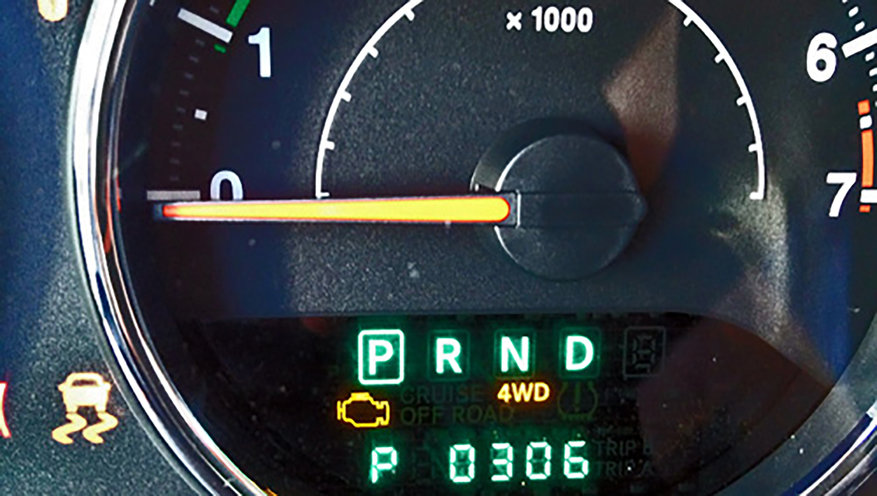
Jeep Wrangler Engine Codes
The Jeep Wrangler engine codes help identify issues with your vehicle’s engine. These codes are part of the car’s onboard diagnostic system. They alert you when something needs attention. Understanding these codes can save time and money on repairs.
Each code points to a specific problem. Knowing what the codes mean helps you decide the next steps. Some codes are simple fixes. Others may require professional help. Learning about these codes improves your Jeep maintenance.
What Check Engine Codes Mean
Check engine codes are alphanumeric messages. They show up when the engine control unit detects a fault. Each code starts with a letter followed by four digits. The letter indicates the system affected, such as engine or transmission.
For example, “P” codes relate to powertrain issues. The numbers narrow down the exact problem. These codes cover a wide range of problems, from misfires to sensor failures. They do not give full details but guide diagnostics.
When the check engine light comes on, the code stored helps find the cause. Reading the code is the first step in solving the issue. Ignoring the codes can lead to bigger problems later.
Common Jeep Wrangler Codes
Some Jeep Wrangler codes appear more often than others. P0300 means random or multiple cylinder misfires. It signals engine firing issues that affect performance. P0171 shows the engine is running too lean, usually due to air or fuel problems.
P0455 indicates a large leak in the evaporative emission system. This often relates to a loose or faulty gas cap. P0420 shows catalyst system efficiency is below threshold, pointing to possible catalytic converter issues.
Knowing these common codes helps owners respond quickly. Simple fixes like tightening a gas cap can clear a code. More complex codes might need a mechanic’s attention. Using an OBD-II scanner helps read and clear these codes.
Manual Code Retrieval
Manual code retrieval lets Jeep Wrangler owners check engine trouble codes without special tools. This method uses the vehicle’s built-in odometer display to show the codes. It is simple and quick, perfect for basic diagnostics. Understanding how to do this can save time and money.
Using The Odometer Display
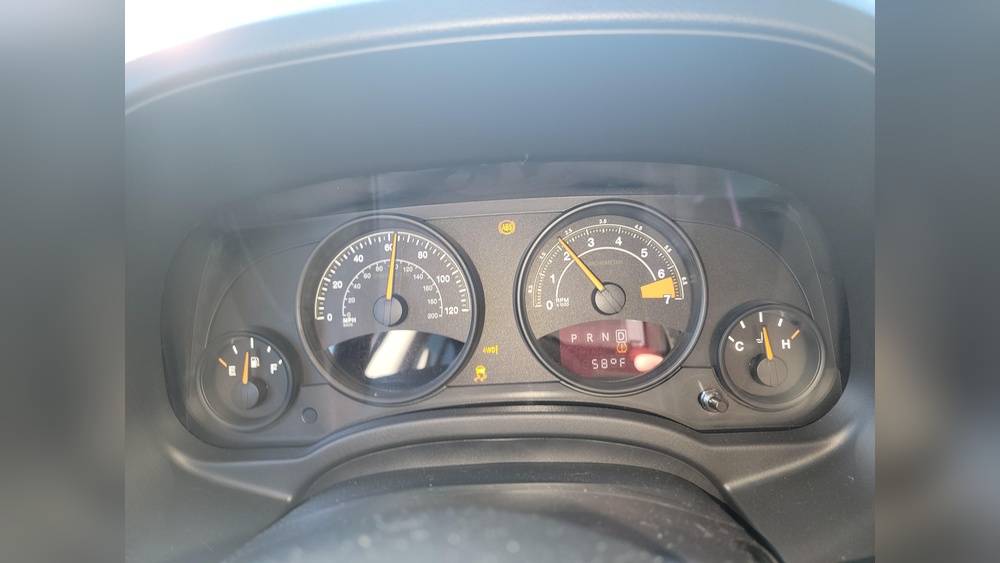
Start by sitting in the driver’s seat with all doors closed. Insert the key into the ignition but do not start the engine. The odometer screen will show the codes after following the key cycle steps. This screen displays the Diagnostic Trouble Codes (DTCs) directly.
Step-by-step Key Cycle Method
Turn the key to the ON position and then back to OFF. Repeat this ON-OFF cycle three times, ending with the key in the ON position. Do not start the engine during this process. The odometer will begin flashing the engine codes. These flashes correspond to specific numbers.
Interpreting The Displayed Codes
Codes appear as a series of flashes on the odometer. Count the flashes to identify the first digit. A short pause follows, then the second digit flashes. For example, three flashes, pause, then two flashes means code 32. Write down each code for further research. The display shows “-done-” if no codes exist.
Using An Obd-ii Scanner
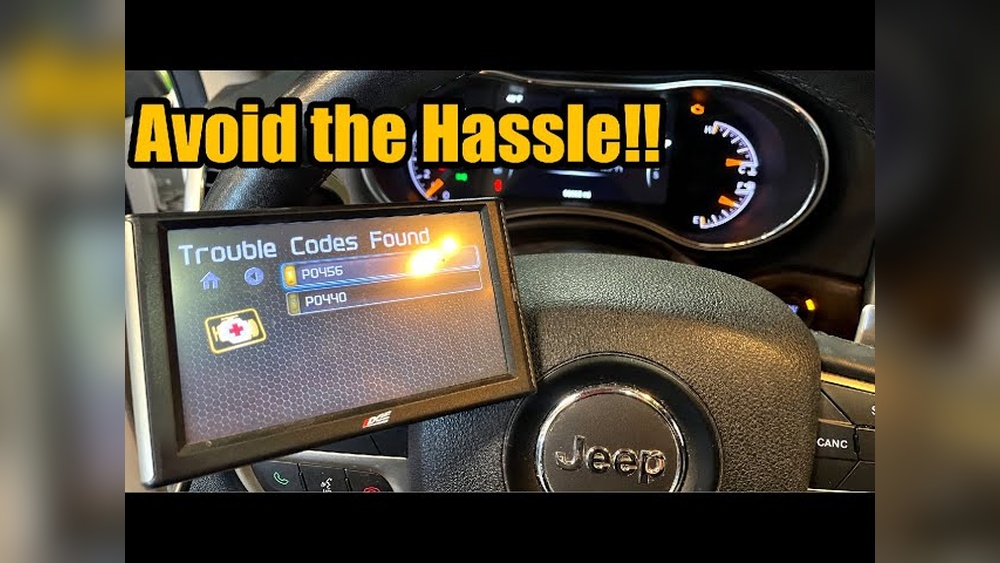
Using an OBD-II scanner is a simple way to find out why your Jeep Wrangler’s check engine light is on. This tool reads the error codes stored in your vehicle’s computer. It helps you understand the problem faster and saves time at the mechanic. Anyone can use an OBD-II scanner with a little guidance. It gives clear codes that show what needs fixing.
Choosing The Right Scanner
Pick a scanner that works with Jeep Wranglers. Basic models show the trouble codes clearly. More advanced scanners give extra details and even suggestions for repairs. Look for one with a screen that is easy to read. Wireless scanners connect to your phone. They are handy and show results quickly. Make sure the scanner supports OBD-II protocols used by Jeep models.
How To Connect And Read Codes
Locate the OBD-II port under the dashboard on the driver’s side. Plug the scanner into this port. Turn your Jeep’s ignition to the ON position but do not start the engine. Follow the scanner’s instructions to read the codes. The device will display one or more codes. Write these down or save them on your phone. Use an online database or the scanner’s manual to understand what each code means.
Benefits Of Scanner Use
Using a scanner helps catch issues early. It prevents bigger, costly repairs later. You can track your Jeep’s health regularly. The scanner saves time by giving exact trouble codes. This information helps mechanics fix problems faster. It also gives you peace of mind by showing you what is wrong. Scanners are affordable and easy to use for any Jeep owner.

Fixing Check Engine Issues
Fixing check engine issues on your Jeep Wrangler starts with understanding the cause of the problem. The check engine light indicates a fault detected by the vehicle’s computer. Ignoring this warning can lead to bigger problems and higher repair costs. Timely diagnosis and repair help maintain your Jeep’s performance and reliability. This section guides you through diagnosing common issues, deciding between DIY repairs or professional help, and resetting the check engine light safely.
Diagnosing Common Problems
Many Jeep Wrangler check engine codes relate to common issues. These include faulty oxygen sensors, loose gas caps, or problems with the catalytic converter. Reading the Diagnostic Trouble Codes (DTCs) helps pinpoint the exact problem. Use an OBD-II scanner or check the codes manually on your dashboard. Identifying the issue early can save time and money.
Diy Repairs Vs Professional Help
Simple fixes like tightening a loose gas cap or replacing an air filter can be done at home. Basic tools and a repair manual are usually enough. More complex problems, such as faulty sensors or engine malfunctions, may require a mechanic’s expertise. Professional repair ensures the problem is correctly fixed. Know your limits and avoid causing more damage by attempting complicated repairs yourself.
Resetting The Check Engine Light
After fixing the issue, the check engine light may stay on. Resetting the light clears the error codes from the vehicle’s computer. Some Jeep models allow manual reset by cycling the ignition key. An OBD-II scanner can also reset the light quickly. Do not reset the light before repairs; the warning helps prevent further damage.
When To Drive Or Tow
Knowing when to drive your Jeep Wrangler or tow it after a check engine light appears is crucial. The decision depends on the type of warning and how the vehicle performs. This section helps you decide what to do next to protect your Jeep and stay safe on the road.
Understanding Steady Vs Flashing Lights
A steady check engine light usually means a minor issue. You can drive your Jeep carefully to a service center. A flashing check engine light signals a serious problem. Stop driving immediately to prevent damage. Towing is the safest choice with a flashing light.
Assessing Vehicle Performance
Listen for strange noises from the engine or exhaust. Notice if the Jeep loses power or stalls. Check if the vehicle vibrates or runs rough. Any of these signs means the Jeep needs towing. If performance seems normal, driving slowly is possible.
Safety Tips For Driving With Codes
Drive gently and avoid hard acceleration or high speeds. Keep the engine temperature in check by watching the gauge. Do not ignore unusual smells or smoke. Plan the shortest route to the repair shop. Always have a phone ready to call for help if needed.
Preventive Maintenance Tips
Keeping your Jeep Wrangler running smoothly depends on regular preventive maintenance. Proper care helps avoid common engine issues that trigger check engine codes. Simple steps can keep your engine and emission systems in good shape. This reduces the risk of costly repairs and unexpected breakdowns.
Regular Engine Checks
Check your engine oil level and quality often. Change the oil according to the manufacturer’s schedule. Inspect spark plugs and replace them if worn out. Look for leaks in hoses and belts. Clean or replace the air filter to ensure proper airflow. These checks keep your engine healthy and reduce fault codes.
Keeping Emission Systems Healthy
Maintain the catalytic converter and oxygen sensors by using quality fuel. Avoid fuel additives that may harm the emission system. Regularly inspect the exhaust system for damage or leaks. A clean emission system lowers harmful gases and prevents emission-related error codes. Proper care also helps pass state emission tests easily.
Avoiding Common Code Triggers
Prevent dirt and debris buildup around sensors and connectors. Do not ignore dashboard warning lights; address them quickly. Avoid short trips that prevent the engine from reaching operating temperature. Keep the fuel system clean by using recommended fuel types. These habits reduce the chance of common check engine codes appearing.

Frequently Asked Questions
What Is The Most Common Check Engine Light On A Jeep Wrangler?
The most common check engine light on a Jeep Wrangler often indicates an oxygen sensor or catalytic converter issue. These affect emissions and performance.
How Do I Check My Jeep Code Without A Scanner?
Turn the key OFF and ON three times, ending in ON. The odometer displays the Jeep’s engine codes. Do not start the engine.
What Does A Car With Squiggly Lines Mean On A Jeep?
A Jeep with squiggly lines indicates the Electronic Stability Control (ESC) system is active. It helps maintain traction and control during slippery conditions.
How To Read Jeep Wrangler Engine Codes?
Turn the ignition key OFF and ON three times, ending ON without starting the engine. Read engine codes on the odometer display. Codes appear as numbers; “-done-” means no codes. Use an OBD-II scanner for detailed code reading.
Conclusion
Knowing how to check Jeep Wrangler engine codes saves time and money. You can find many codes without special tools. Use your dashboard display by cycling the key as described. This simple step helps identify problems early. Acting fast can prevent bigger repairs later.
Keep your Jeep running smoothly by monitoring these codes. Understanding the basics keeps you confident on the road. Regular checks improve safety and performance every time you drive.