Adjusting the control arms on your Jeep JK is one of the most effective ways to improve handling, ride quality, and tire alignment, especially if you’ve installed a lift kit or changed your suspension. Many owners notice issues like poor steering response or uneven tire wear after modifications. Learning how to properly adjust your control arms can solve these problems and help your Jeep perform better both on and off-road. This guide will walk you through the process, highlight important details often missed by beginners, and provide practical advice for safe and precise adjustment.
What Are Control Arms And Why Adjust Them?
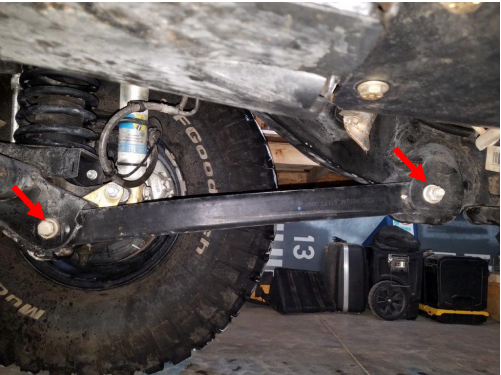
Control arms are key suspension components connecting the axle to the frame. They manage movement and keep the wheels aligned. The Jeep JK has four control arms per axle—two upper and two lower. Adjusting them is crucial after lifting your Jeep or changing wheel size, as these changes affect geometry and alignment.
Properly adjusted control arms:
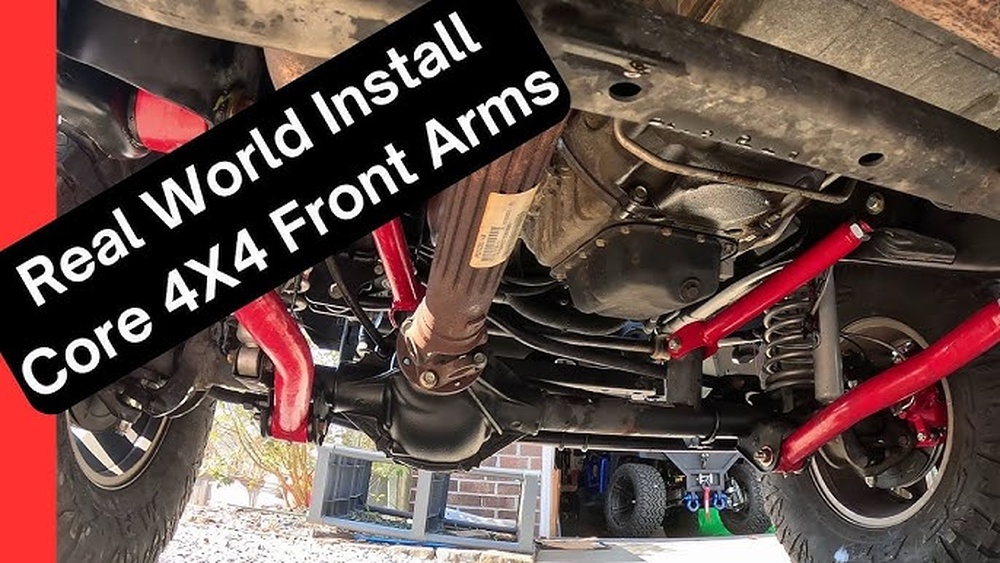
- Improve caster angle for better steering stability
- Correct pinion angle to avoid vibration and driveline issues
- Align wheels for optimal tire wear
Incorrect adjustment can lead to poor handling and costly repairs. Many beginners overlook the relationship between control arm length, caster, and pinion angles, leading to unsafe driving conditions.
Tools And Preparation
Before starting, gather these tools:
- Socket wrench set
- Torque wrench
- Tape measure
- Jack and jack stands
- Marker or chalk
- Penetrating oil (for rusted bolts)
Safety is vital. Always use jack stands, never rely on a jack alone. Mark your original control arm positions before adjusting—this helps if you need to return to factory specs.
| Tool | Purpose | Estimated Cost |
|---|---|---|
| Socket Wrench Set | Remove/install bolts | $30-$100 |
| Tape Measure | Measure length/angles | $5-$15 |
| Torque Wrench | Tighten to spec | $40-$150 |
| Jack Stands | Safety support | $25-$75 |

Step-by-step: Adjusting Control Arms
1. Lift And Secure The Jeep
Raise your Jeep using a jack and secure with jack stands under the frame. Ensure wheels are off the ground for easy axle movement.
2. Mark And Measure
Use chalk or a marker to mark the current position of each control arm. Measure the length from bolt-to-bolt. This helps track changes and avoid confusion.
3. Loosen Bolts
Spray bolts with penetrating oil if they’re rusty. Loosen (do not remove) the bolts at both ends of each control arm. This allows the arms to adjust.
4. Adjust Length
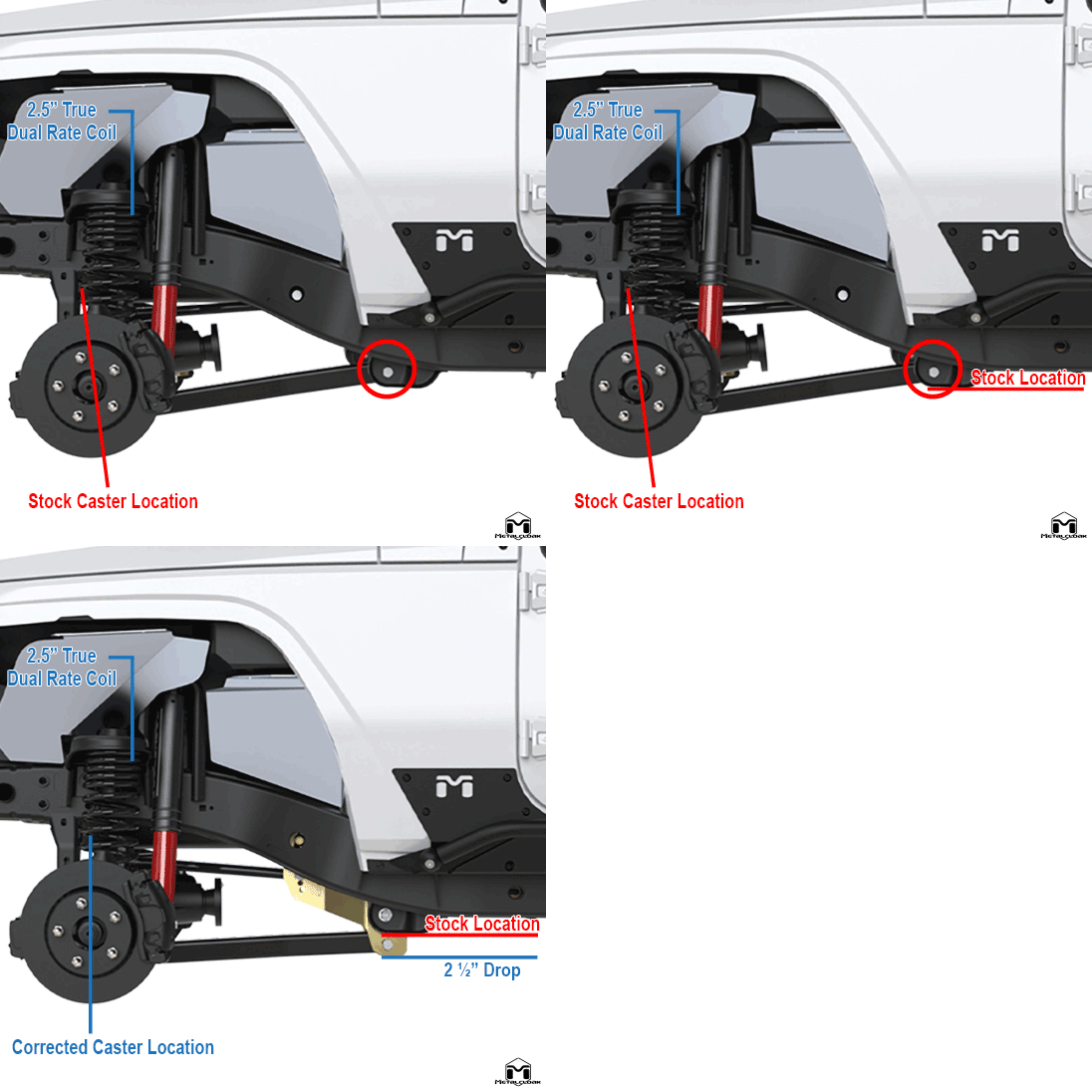
- To improve caster angle (for better steering), lengthen the front lower control arms.
- To fix pinion angle (for smooth driveline), adjust rear upper control arms.
Adjust each arm in small increments (1/8-inch at a time). For lifted JKs, a common target is 18. 75″ for front lowers and 15. 75″ for front uppers, but always check your lift kit manufacturer’s recommendations.
| Control Arm | Stock Length | Lifted Recommended Length |
|---|---|---|
| Front Lower | 18.25″ | 18.75″ |
| Front Upper | 15.25″ | 15.75″ |
| Rear Lower | 17.25″ | 17.75″ |
| Rear Upper | 14.75″ | 15.25″ |
5. Tighten Bolts To Spec
Once adjusted, use a torque wrench to tighten bolts to factory specs:
- Upper arms: 125 ft-lb
- Lower arms: 145 ft-lb
Never guess—incorrect torque can cause bolts to loosen or break.
6. Check Alignment And Test Drive
Lower your Jeep and check wheel alignment. If possible, have a professional shop do a caster and pinion angle check. Drive around the block, testing steering and checking for vibration.
7. Fine-tuning
If you notice vibration or poor steering, re-check your adjustments. Fine-tuning may be needed. Beginners often skip this step, but small changes can make a big difference.
| Symptom | Possible Cause | Recommended Action |
|---|---|---|
| Steering Wanders | Low caster angle | Lengthen front lower arms |
| Driveline Vibration | Incorrect pinion angle | Adjust rear upper arms |
| Uneven Tire Wear | Poor alignment | Check all arm lengths |
Common Mistakes And Tips
Many Jeep JK owners make mistakes when adjusting control arms. Here are some to avoid:
- Not marking original positions: Makes it hard to revert if needed.
- Ignoring torque specs: Leads to loose bolts and safety issues.
- Adjusting too much at once: Small changes are more effective.
- Skipping alignment check: Causes tire wear and handling problems.
- Using cheap tools: Low-quality wrenches can damage bolts.
Tip: After any adjustment, drive for 50 miles and re-check bolts. Suspension settles over time.
When To Adjust Control Arms
You should adjust control arms if:
- Installing a lift kit
- Changing tire size
- Experiencing steering issues
- Noticing vibration or uneven tire wear
If unsure, consult a suspension specialist. For more technical details, refer to the official Jeep Owner’s Guide.
Frequently Asked Questions
How Do I Know If My Control Arms Need Adjustment?
If your Jeep JK pulls to one side, has steering problems, or shows uneven tire wear after suspension changes, it’s time to check control arm alignment.
Can I Adjust Control Arms Without Special Tools?
Basic hand tools are enough for most adjustments. However, a torque wrench is essential for safety and proper tightness.
Is Professional Alignment Necessary After Adjusting Control Arms?
Yes, a professional alignment ensures correct caster and pinion angles. It also prevents premature tire wear and improves driving safety.
How Often Should Control Arms Be Checked?
After any suspension change, check control arms. Otherwise, inspect them every 12 months or 12,000 miles, whichever comes first.
What Are Signs Of Incorrect Control Arm Adjustment?
Look for vibration, wandering steering, and strange tire wear. If you notice these, re-check your adjustments and consult an expert if needed.
Adjusting control arms on your Jeep JK is a practical skill that can dramatically improve your vehicle’s performance. Take your time, follow each step carefully, and don’t hesitate to seek professional help if you’re unsure. With proper adjustment, your Jeep will handle better and stay safer on every adventure.