Keeping your Jeep Compass in top condition means checking basic fluids regularly. One of the most important is the coolant, also called antifreeze. This liquid keeps your engine from overheating and prevents freezing in cold weather. If the coolant level drops, your engine can get too hot, leading to expensive repairs. Many drivers forget to check this simple thing. It’s easy, takes just a few minutes, and doesn’t need special tools. Here’s how you can check the coolant level in your Jeep Compass, avoid mistakes, and understand what the numbers mean.
Why Coolant Matters In Your Jeep Compass
The coolant system in your Jeep Compass plays a key role in engine health. It absorbs heat from the engine and releases it through the radiator. Without enough coolant, the engine can overheat, causing damage to the cylinder head, pistons, and other parts. According to the National Highway Traffic Safety Administration, cooling system failures are one of the top causes of breakdowns.
Here’s how coolant works:
- It transfers heat away from the engine
- It keeps the engine temperature stable
- It prevents freezing and corrosion
A low coolant level means less protection. If you notice your temperature gauge rising, it’s often a sign that the coolant needs attention.
Step-by-step: How To Check Coolant Level Jeep Compass
Checking your coolant is straightforward if you follow these steps. Always let the engine cool down first. Never open the coolant cap when the engine is hot.
- Park and Let Engine Cool
- Turn off your Jeep Compass and wait at least 30 minutes. Hot coolant can cause burns.
- Locate the Coolant Reservoir
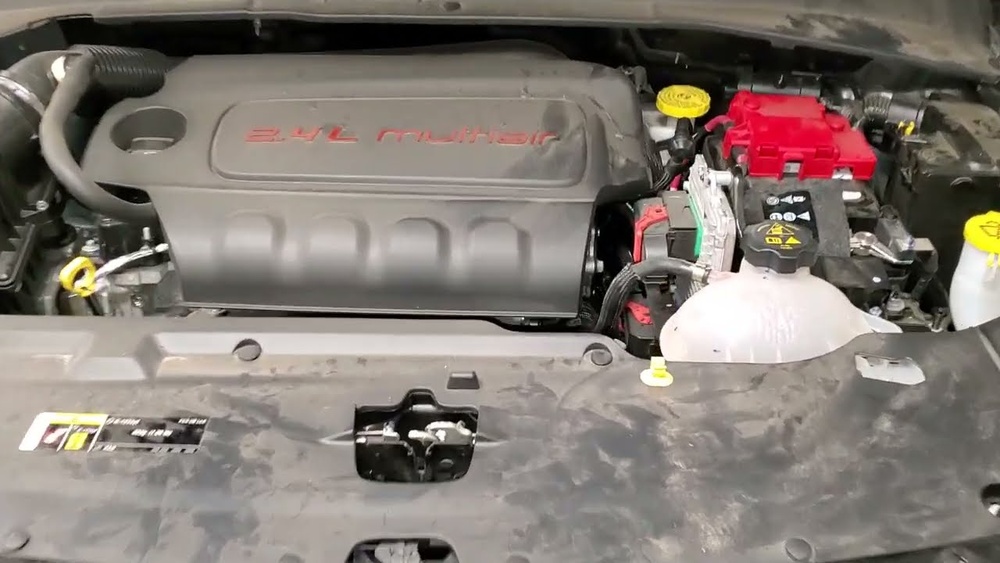
- Open the hood and find the coolant reservoir. It’s usually a semi-transparent plastic tank near the radiator.
- Check the Level Markings
- Look for the “MIN” and “MAX” lines on the side of the reservoir. The fluid should be between these lines.
- Inspect the Coolant Color
- Coolant should be clear or slightly colored (green, orange, or pink depending on the type). If it’s brown or has particles, the system may need flushing.
- Open the Cap if Needed
- If the level is low, open the reservoir cap slowly. Add the correct coolant until the level reaches the “MAX” line.
- Close Everything
- Secure the cap and make sure it’s tight. Close the hood.
Common Mistakes To Avoid
- Don’t check coolant when the engine is hot.
- Don’t mix different coolant types.
- Avoid overfilling; too much coolant can cause pressure problems.

Types Of Coolant For Jeep Compass
Jeep Compass models use specific coolant types. Using the wrong coolant can damage the system. Most newer models use OAT (Organic Acid Technology) coolant, usually orange or pink.
| Model Year | Recommended Coolant | Color |
|---|---|---|
| 2017-2024 | OAT (Organic Acid Technology) | Orange/Pink |
| 2011-2016 | HOAT (Hybrid Organic Acid Technology) | Yellow/Green |
Always check your owner’s manual for the right coolant type. Using the wrong kind can lead to leaks or corrosion.
How Often Should You Check Coolant?
For most drivers, checking coolant every 3,000 to 5,000 miles is enough. If you drive in extreme heat or cold, check more often. After long road trips or before a new season, it’s wise to inspect coolant levels.
| Driving Condition | Check Frequency |
|---|---|
| Normal (city/highway) | Every 5,000 miles |
| Hot climate | Every 3,000 miles |
| Cold climate | Every 3,000 miles |
| Heavy towing | Before and after each trip |
If you notice leaks under your Jeep or the temperature gauge rising, check coolant immediately.
Signs Your Coolant Needs Attention
Not every problem is obvious. Here are some signs your Jeep Compass might have coolant issues:
- Sweet smell from the engine area
- Steam coming from under the hood
- Dashboard warning light for temperature or coolant
- Heater not working well inside the cabin
Ignoring these signs can lead to engine damage. If you see any, check your coolant right away.
Practical Tips For Checking Coolant
Here are insights many beginners miss:
- The reservoir tank is not always full, especially after long drives. Always check the “MIN” and “MAX” marks, not just the color.
- If you top up coolant often, there might be a leak. Look for wet spots under the car or around hoses.
- Coolant expands as it heats. If you check when cold, it will be lower than when hot.
Example Scenario
Imagine you drive your Jeep Compass daily and notice the temperature gauge climbing. You check the reservoir and see the fluid below “MIN. ” After topping up, the gauge stays normal. This simple step can prevent a $1,000 repair.
Comparing Diy Vs. Professional Service
Should you check coolant yourself, or let a mechanic do it? Here’s a quick comparison:
| Aspect | DIY Check | Professional Service |
|---|---|---|
| Cost | Free (just your time) | $50-$100 per visit |
| Time | 5-10 minutes | 30-60 minutes |
| Skill Needed | Basic | None |
| Accuracy | Good if careful | Expert level |
For most people, checking coolant at home is enough. If you see strange colors, leaks, or warning lights, visit a mechanic.
Frequently Asked Questions
Is It Safe To Check Coolant When The Engine Is Warm?
No. Always let the engine cool down for at least 30 minutes. Opening the coolant cap on a hot engine can cause burns from steam or hot fluid.
What Type Of Coolant Should I Use For A Jeep Compass?
Most recent models use OAT coolant (orange or pink). Older models use HOAT coolant (yellow or green). Always check your owner’s manual or ask your dealer for the correct type.
How Do I Know If My Coolant Needs To Be Changed?
If the coolant looks dirty, brown, or has particles, it’s time to change it. Also, change coolant every 5 years or 100,000 miles (whichever comes first), as recommended by Jeep.
Can I Mix Coolant Brands Or Types?
No. Mixing different coolant types can cause chemical reactions and damage your cooling system. Stick with the recommended type and brand for your Jeep Compass.
What Should I Do If My Coolant Level Keeps Dropping?
This usually means there’s a leak. Check hoses, radiator, and under the car for wet spots. If you can’t find the leak, take your Jeep Compass to a mechanic for inspection.
Maintaining the correct coolant level in your Jeep Compass is simple but crucial. It protects your engine, saves money, and keeps your vehicle running smoothly. Taking a few minutes each month to check coolant can prevent bigger problems. For more details on coolant and engine care, visit National Highway Traffic Safety Administration. Stay proactive, and your Jeep Compass will reward you with reliable performance.