Every driver knows the feeling: You get in your car, start the engine, and suddenly your windshield fogs up. Visibility drops, and driving becomes risky. Foggy windshields are a common problem, especially during cold mornings or rainy days. But with the right approach, you can keep your windshield clear and safe. In this guide, you’ll learn practical ways to stop fog from forming, understand why it happens, and see how different methods compare. Whether you drive daily or only occasionally, these tips can make your journeys safer and smoother.
What Causes Windshield Fog?
Fog forms when moisture in the air inside your car meets the cold glass of the windshield. This temperature difference turns water vapor into tiny droplets, which creates a misty layer. Common reasons for foggy windshields include:
- Breathing inside the car (adds moisture)
- Wet clothes or umbrellas
- Using the heater in cold weather
- Poor air circulation
Knowing the cause helps you choose the right solution. For example, fog is more likely if you have several passengers or if it’s raining outside.
Effective Ways To Prevent Windshield Fog
Keeping your windshield clear involves both quick fixes and long-term habits. Here are the most reliable methods:
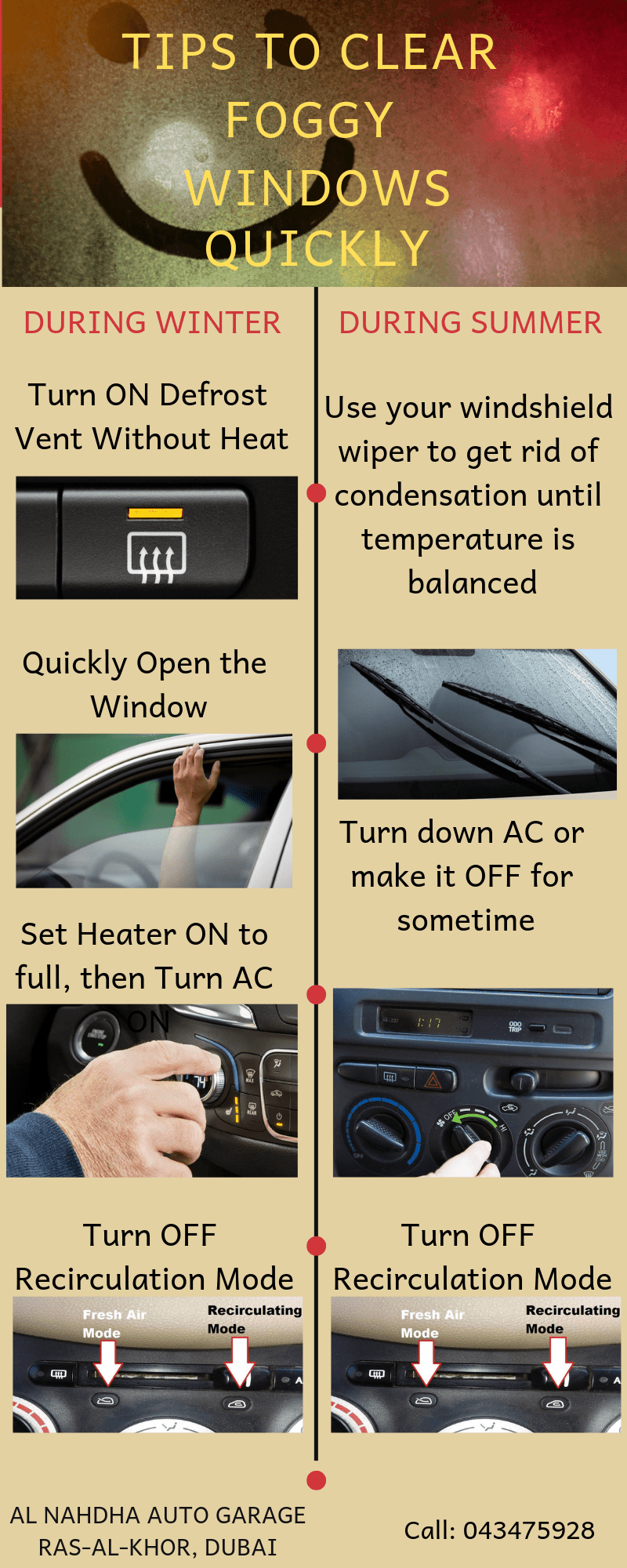
- Use the Defroster Properly
- Set your car’s climate control to defrost mode.
- Use warm air to clear the glass, then switch to cool air if fog returns.
- Turn on the AC; it dries the air by removing moisture.
- Open Windows Slightly
- Even a small gap lets humid air escape.
- This balances inside and outside humidity, reducing fog.
- Keep Interior Dry
- Shake off wet coats or umbrellas before entering.
- Place mats or towels to absorb moisture.
- Remove snow or water from shoes.
- Apply Anti-Fog Products
- Buy sprays or wipes specifically for glass.
- Follow instructions for best results.
- Some DIY alternatives include a thin layer of shaving cream, which you wipe off to leave a protective film.
- Clean Your Windshield Regularly
- Dirt and oils make fog stick longer.
- Use glass cleaner and a microfiber cloth for a streak-free finish.
- Adjust Temperature Gradually
- Avoid blasting hot air; sudden changes cause condensation.
- Warm the car slowly for better results.
- Check Cabin Air Filter
- A dirty filter reduces airflow and increases humidity.
- Replace it every 12,000–15,000 miles, or as recommended.

Comparing Anti-fog Solutions
Not all methods are equally effective. Here’s how popular solutions stack up:
| Method | Effectiveness | Cost | Ease of Use |
|---|---|---|---|
| Defroster + AC | Very High | Free | Easy |
| Anti-Fog Spray | High | $7–$15 | Moderate |
| Open Windows | Medium | Free | Easy |
| DIY Shaving Cream | Medium | Low | Moderate |
| Clean Windshield | High | Low | Easy |
Many drivers overlook regular cleaning, but dirty glass can be a major cause of fog. Anti-fog sprays are effective but require reapplication.
Common Mistakes That Make Fog Worse
Avoid these errors to keep your windshield clear:
- Using recirculation mode (traps humid air)
- Overheating the car interior
- Ignoring a dirty windshield
- Forgetting to check air filters
Drivers sometimes think only cold air works, but the combination of warm air and AC clears fog fastest. Another missed detail: recirculation should be OFF when defogging.
How Humidity And Temperature Affect Fog
Fog forms most easily when the air inside the car is humid and the glass is cold. The greater the difference, the thicker the fog. Here’s a quick comparison:
| Humidity Level | Temperature Difference | Fog Risk |
|---|---|---|
| High | Large | Very High |
| Low | Small | Low |
| Medium | Medium | Moderate |
In winter, fog is common because you heat the inside while the glass stays cold. In summer, fog can form if the AC is cold and outside air is humid.
Practical Tips For All Seasons
- In winter, warm the car slowly and use the defroster with AC.
- In summer, use AC on fresh air mode, not recirculation.
- Keep a microfiber cloth handy for emergency wiping.
- Park in dry spots if possible to reduce moisture buildup.
Many people forget to check their cabin air filter. A clogged filter can make fog problems much worse. Changing it is simple and inexpensive.
Extra Advice Most Drivers Miss
- Clean the dashboard vents. Dust can block airflow, making defogging slower.
- Don’t use household glass cleaners with ammonia. They can damage tint and leave residues, increasing fog.
Some experts recommend silica gel packs in the car to absorb moisture. It’s a small investment that can help in humid climates.
Frequently Asked Questions
Why Does My Windshield Fog Up Only During Certain Weather?
Fog usually forms when there’s high humidity inside the car and a large temperature difference between the cabin and the glass. Rainy or cold days increase moisture and make fog more likely.
Are Anti-fog Sprays Safe For All Windshields?
Most anti-fog sprays are safe for standard glass. However, avoid using them on tinted or coated windshields unless the product says it’s compatible. Always read instructions.
Can I Use Household Items Like Shaving Cream To Prevent Fog?
Yes, shaving cream can create a protective layer if applied and wiped properly. But it’s less effective than commercial sprays and may leave streaks if not applied carefully.
Is It Better To Use Warm Or Cold Air To Clear Fog?
Start with warm air to clear the glass, then switch to cool air with AC. The AC removes moisture, which is key. Using only cold air may not work if the humidity is high.
How Often Should I Clean My Windshield To Prevent Fog?
Clean your windshield once a week or after every long drive. Dirt and oil attract moisture, so regular cleaning helps prevent fog buildup.
Keeping your windshield fog-free is about balancing humidity, temperature, and cleanliness. By using the right methods, you can drive safely and confidently in any weather. For more details on car care and humidity control, visit Wikipedia’s defogger page. Remember, a clear windshield is more than comfort—it’s essential for safe driving.