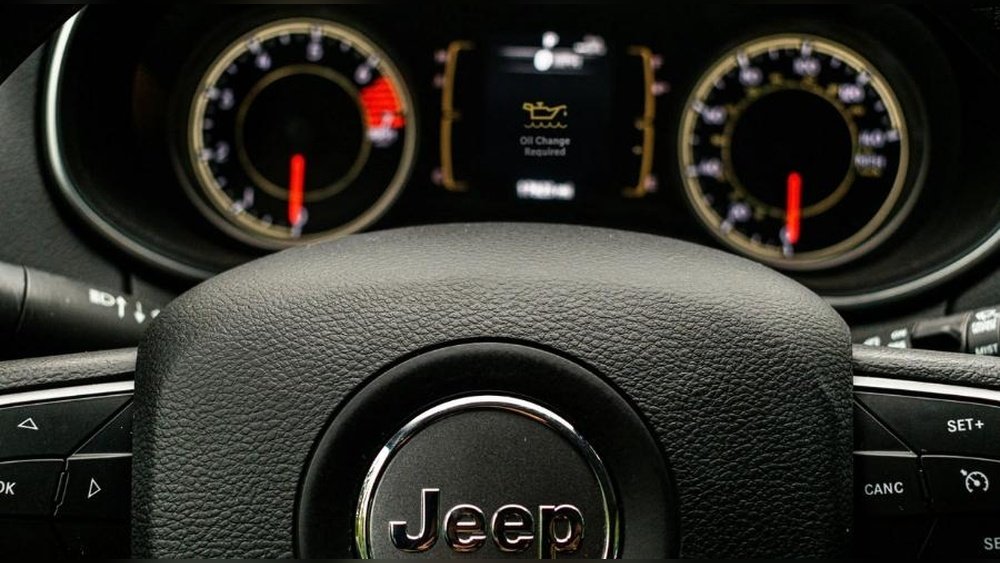
If your Jeep’s dashboard shows “Oil Change Required,” you might wonder how to reset this light. This reminder is helpful, but after an oil change, it’s important to clear the alert. If you skip this step, the warning will keep appearing—even though your oil is fresh.
Resetting the oil change light takes just a few minutes, but the process can vary depending on your Jeep’s model and year. This guide explains every step, shares common mistakes, and compares procedures for popular Jeep models. With the right method, you can ensure your maintenance reminders are accurate and avoid confusion.
Why Resetting The Oil Change Light Matters
The oil change reminder is not just a suggestion—it helps you maintain your engine’s health. When the light stays on after an oil change, you might:
- Forget when your next oil service is due.
- Ignore other important dashboard alerts.
- Risk engine damage if you miss future oil changes.
Most newer Jeeps use a computer system to track oil life based on mileage and driving habits. If you don’t reset this system, it may not accurately calculate when your next service is needed.
Step-by-step: Resetting Oil Change Light On Jeep Models
Different Jeep models have slightly different reset procedures. Here’s how to do it for the most common models.
Jeep Grand Cherokee (2011–2024)
- Turn the ignition ON without starting the engine.
- Press the gas pedal slowly three times within 10 seconds.
- Turn the ignition OFF.
- Start the engine to check if the reminder is gone.
Jeep Wrangler (2018–2024)
- Switch the ignition to ON (do not start).
- Fully press the accelerator pedal three times within 10 seconds.
- Switch the ignition OFF.
- Restart to confirm the light is reset.
Jeep Compass (2017–2024)
- Turn the ignition ON.
- Press the gas pedal three times slowly.
- Turn ignition OFF.
- Start engine to check reset.
Jeep Cherokee (2014–2022)
- Switch ignition ON.
- Slowly press accelerator pedal three times.
- Switch ignition OFF.
- Start engine and look for oil change message.
Older Jeep Models (before 2010)
Some older Jeeps require a manual reset using buttons on the dashboard or steering wheel:
- Turn ignition ON.
- Locate the trip/reset button.
- Press and hold until the oil light flashes or resets.
- Turn ignition OFF.

Comparison: Oil Change Reset Methods For Jeep Models
Here’s a comparison of reset procedures for popular Jeep models:
| Model | Years | Reset Method |
|---|---|---|
| Grand Cherokee | 2011–2024 | Gas pedal (3x) |
| Wrangler | 2018–2024 | Accelerator pedal (3x) |
| Compass | 2017–2024 | Gas pedal (3x) |
| Cherokee | 2014–2022 | Accelerator pedal (3x) |
| Older Models | Before 2010 | Trip/reset button |
Common Mistakes And Troubleshooting
Many Jeep owners make simple errors when resetting the oil change light. Here are the mistakes to avoid:
- Pressing the pedal too quickly or too slowly: The timing is important. Press the pedal steadily, not rushed.
- Not turning ignition ON (but not starting engine): Starting the engine instead of just turning ON can prevent the reset.
- Missing step order: Always follow the steps in order.
- Using the wrong button: Some older models use dashboard buttons, not pedals.
- Ignoring persistent warning lights: If the light stays on after following steps, try again. If it still doesn’t work, check your owner’s manual or consult your dealer.
You should also ensure you use the correct oil type and change the oil filter during service. Skipping these basics can cause the light to come back or trigger other warnings.
Data: Oil Change Interval And Reset Benefits
Knowing how often to change your oil is important. Most Jeep models recommend an oil change every 5,000–7,500 miles, depending on driving conditions.
The benefits of resetting the oil change light include:
- Accurate maintenance tracking
- Better resale value (documented maintenance)
- Improved engine performance
A study by Consumer Reports found that regular oil changes and accurate maintenance records can extend engine life by up to 25%.
Reset Timing: Why Mileage And Driving Habits Matter
Jeep’s oil change reminder is not only based on mileage. It also considers:
- Driving style (city vs highway)
- Temperature extremes
- Engine load
If you drive mostly in heavy traffic or extreme weather, the oil change interval may be shorter. Resetting after each oil change ensures the computer can track your actual usage.
Here’s a quick comparison of oil change intervals based on driving habits:
| Driving Conditions | Recommended Interval (miles) |
|---|---|
| Normal (highway) | 7,500 |
| Severe (city, towing, off-road) | 5,000 |
| Extreme (hot/cold climate) | 4,000–5,000 |

Practical Tips For Oil Change Reset
- Always double-check your owner’s manual for your specific Jeep model.
- If the oil change light does not reset, try the steps again or consult your dealer.
- Use quality oil and filters to avoid extra warnings.
- Document the oil change date and mileage for future reference.
For more details on oil change intervals and Jeep maintenance, visit the official Jeep site: Jeep Maintenance Guide.
Frequently Asked Questions
How Do I Know If My Oil Change Light Is Reset?
When the process is successful, the oil change reminder will disappear from your dashboard. Some models show a confirmation message.
Can I Reset The Oil Change Light Without Changing The Oil?
You can, but it’s not recommended. The system is designed for proper maintenance. Resetting without an oil change can lead to engine problems.
Does Resetting The Oil Change Light Affect Warranty?
No, resetting the reminder does not affect your Jeep warranty. However, skipping oil changes and only resetting the light can void warranty coverage.
What If My Jeep’s Oil Change Light Won’t Reset?
First, repeat the steps carefully. If it still doesn’t work, check your owner’s manual or contact a Jeep dealer. Some models may require a computer scan tool.
How Often Should I Change My Jeep’s Oil?
Most Jeeps need an oil change every 5,000–7,500 miles. Check your manual and adjust based on driving conditions. Always reset the light after each oil change.
Resetting your Jeep’s oil change reminder is simple, but it helps keep your vehicle running smoothly. By following the right steps and avoiding common mistakes, you’ll stay on top of maintenance and protect your engine for years to come.