If you own a Jeep Grand Cherokee and the check engine light just popped on, you might be staring at the dreaded P000D trouble code. This code points to a problem with your engine’s camshaft position actuator circuit—something that can impact how smoothly your vehicle runs.
You’re probably wondering what causes this issue, how serious it is, and what you should do next. Don’t worry; understanding P000D and tackling it early can save you from costly repairs down the road. Keep reading, and you’ll get clear, straightforward answers about why this code appears and how to fix it, so your Jeep stays strong and reliable on every drive.
P000d Code Basics
The P000D code is a specific trouble code for the Jeep Grand Cherokee. It signals an issue in the engine’s variable valve timing system. Understanding this code helps you spot problems early. It can save you from costly repairs and poor engine performance.
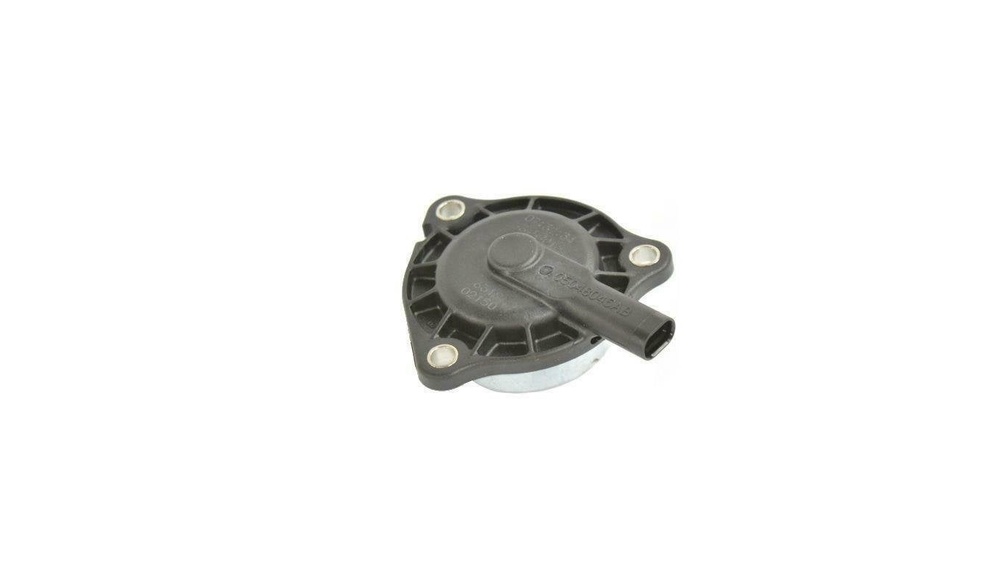
Below are the basics of the P000D code. You will learn what it means and why it matters for your Jeep Grand Cherokee.
What P000d Means
The P000D code stands for “Camshaft Position Slow Response.” It shows when the camshaft position sensor does not respond quickly enough. This sensor tracks the camshaft’s position to adjust valve timing. Proper valve timing improves engine power and fuel efficiency.
If the sensor signal is slow or incorrect, the engine control unit (ECU) sets the P000D code. This alerts you to a possible problem with the camshaft position sensor or related parts. The issue usually affects the variable valve timing (VVT) system.
Why It Matters
The P000D code matters because it impacts engine performance. A slow camshaft sensor response can cause rough idling and reduced power. Fuel consumption may increase as well. The engine might also stall or struggle to start.
Ignoring this code can lead to more serious engine damage. The VVT system may not adjust timing properly. This puts strain on engine parts and reduces the life of your Jeep Grand Cherokee. Fixing the problem early keeps your engine running smoothly.
Common Causes
The P000D code on a Jeep Grand Cherokee points to issues in the Variable Valve Timing (VVT) system. This system controls the timing of the engine valves to improve performance and fuel efficiency. Several common problems can cause this code to appear. Understanding these helps in quick diagnosis and repair.
Below are the most frequent causes of the P000D code, focusing on key engine parts that affect timing and oil flow.
Variable Valve Timing Issues
The VVT system adjusts valve timing based on engine speed and load. If the system malfunctions, the engine’s performance drops. Problems in the VVT can cause the timing to be off, triggering the P000D code. These issues may arise from mechanical wear or electronic faults in the timing system.
Dirty Or Low Engine Oil
Engine oil lubricates and cools VVT components. Dirty or low oil blocks oil flow to the VVT system. This prevents proper valve timing adjustments. Old oil loses viscosity and cannot flow through small passages. Regular oil changes with the correct oil type help avoid this problem.
Vvt Solenoid Problems
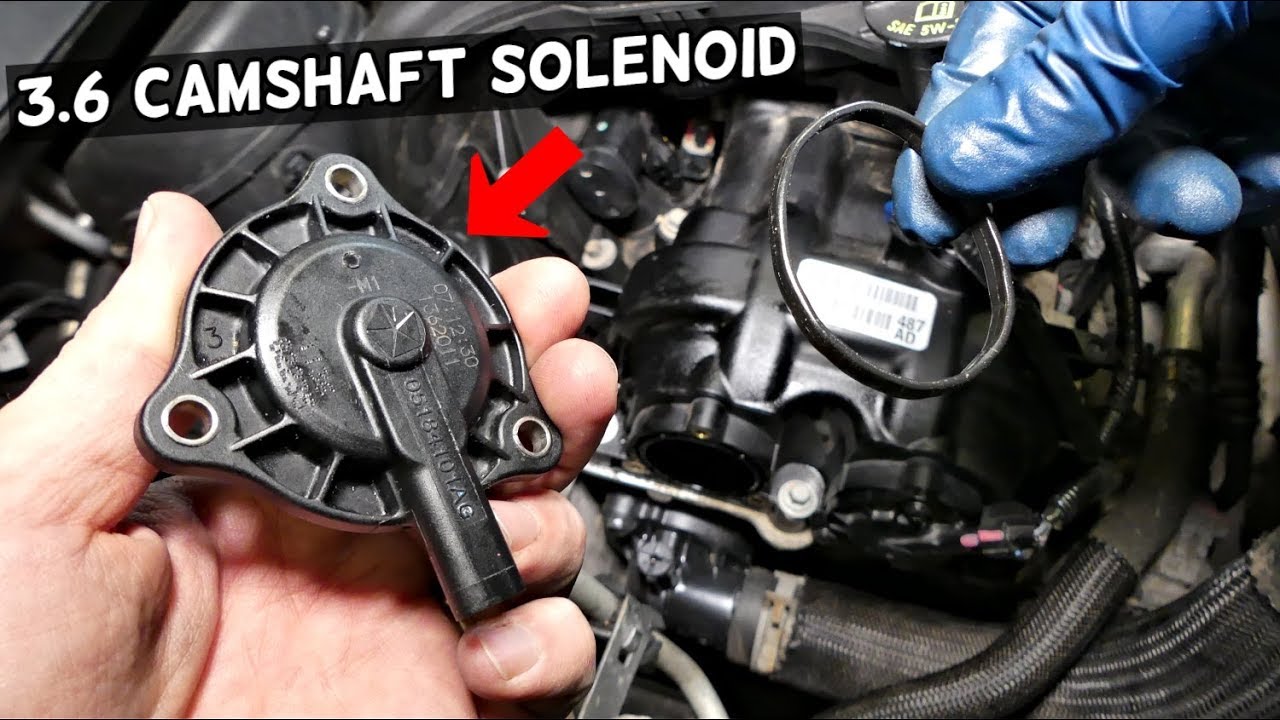
The VVT solenoid controls oil flow to the camshaft phaser. A stuck or failing solenoid disrupts oil delivery. This causes incorrect valve timing and triggers the P000D code. Electrical issues or dirt can cause solenoid failure. Testing and cleaning or replacing the solenoid often fixes the issue.
Camshaft Position Sensor Failure
The camshaft position sensor sends data about camshaft location to the engine control unit. A faulty sensor gives wrong or no signals. This leads to timing errors and the P000D code. Sensor damage, wiring problems, or connector issues cause failures. Replacing a bad sensor restores correct timing signals.
Symptoms To Watch For
Recognizing the symptoms of the P000D code on your Jeep Grand Cherokee helps prevent bigger problems. This code signals issues with the camshaft timing, which can affect your engine’s health. Watch for clear signs that indicate something needs attention. Early detection saves time and money.
Check Engine Light Triggers
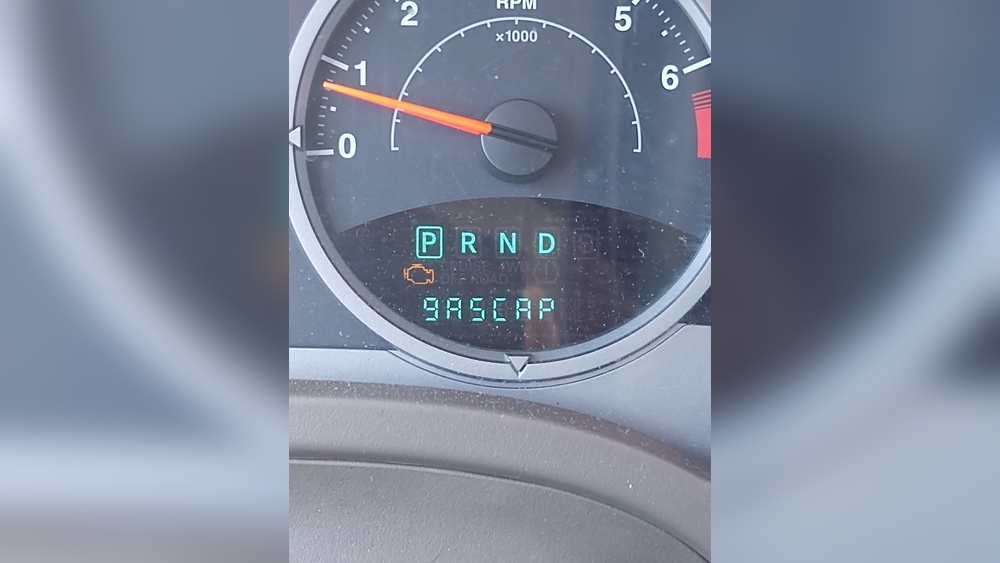
The check engine light often turns on with the P000D code. It may flicker or stay solid. This light warns you that the engine control unit detects a timing issue. Ignoring this warning can lead to serious engine damage. Always check the light promptly.
Engine Performance Changes
Your engine might run rough or hesitate when accelerating. You could notice a loss of power or uneven idling. These symptoms happen because the camshaft timing is off. The engine cannot breathe or fire properly. Pay attention to these signs to avoid breakdowns.
Fuel Efficiency Drops
A sudden drop in fuel efficiency often relates to the P000D code. Poor camshaft timing causes incomplete combustion. This wastes fuel and lowers miles per gallon. You might need to fill up more often. Tracking fuel use helps catch the problem early.

Tools And Equipment Needed
Fixing the P000D code on your Jeep Grand Cherokee requires the right tools. These tools help you diagnose and repair the issue efficiently. Having the proper equipment saves time and avoids guesswork.
Gather tools that allow you to read error codes, check electrical components, and perform basic repairs. Understanding each tool’s role makes the process smoother.
Obd-ii Scanner
An OBD-II scanner reads trouble codes from your vehicle’s computer. It shows the exact error, like code P000D, helping pinpoint the problem. Some scanners also display live data, which is useful for deeper diagnosis. Choose a scanner compatible with Jeep models for best results.
Multimeter
A multimeter measures electrical signals, voltage, and resistance in sensors and wires. It helps check the camshaft position sensor and oil control valve circuits. This tool confirms if wiring or sensors are faulty. A digital multimeter with clear display is ideal for accurate readings.
Basic Hand Tools
Basic hand tools include screwdrivers, pliers, and socket sets. These tools help remove and install sensors or solenoids. A ratchet with the correct socket sizes speeds up the work. Keep these tools organized for easy access during repairs.
Step-by-step Diagnosis
Diagnosing the P000D code on a Jeep Grand Cherokee requires a clear, step-by-step approach. This helps pinpoint the exact cause of the problem. Careful inspection ensures proper repair and prevents further damage.
Start by reading the trouble code with an OBD-II scanner. Then, check the engine oil quality and level. After that, inspect the wiring and connectors linked to the camshaft and VVT system. Test the VVT solenoid for proper function. Finally, evaluate the camshaft position sensor for faults.
Reading The Trouble Code
Use an OBD-II scanner to read the stored trouble codes. The P000D code points to a problem with the camshaft position timing. Confirm that no other codes are present. This helps focus on the specific issue. Note the freeze frame data for more clues.
Inspecting Oil Quality And Level
Check the engine oil level using the dipstick. The oil must be at the correct level. Examine the oil color and texture. Dirty or thick oil can block VVT passages. Use the recommended oil grade for the Jeep Grand Cherokee. Replace the oil if it looks contaminated or old.
Checking Wiring And Connectors
Look closely at wiring around the camshaft sensor and VVT solenoid. Find any signs of damage, corrosion, or loose connections. Repair or replace broken wires or connectors. Ensure all plugs fit securely. Faulty wiring can cause incorrect sensor readings or solenoid failure.
Testing The Vvt Solenoid
Remove the VVT solenoid and inspect for physical damage. Use a multimeter to check electrical resistance. Compare readings to factory specs. Apply 12V power to the solenoid to test operation. A stuck or non-responsive solenoid needs replacement. The VVT solenoid controls oil flow for camshaft timing.
Evaluating Camshaft Position Sensor
Inspect the camshaft position sensor for cracks or dirt. Test the sensor’s voltage and signal output with a multimeter or oscilloscope. Replace the sensor if readings fall outside the normal range. A faulty sensor sends wrong timing data to the engine control unit. Correct sensor function is critical for engine timing.
Repair And Replacement Options
The P000D code in a Jeep Grand Cherokee points to issues in the engine’s variable valve timing system. Repair and replacement options focus on restoring proper timing and sensor function. Each step targets a specific cause to clear the code and improve engine performance.
Start with simple fixes before moving to parts replacement. Proper diagnosis helps avoid unnecessary repairs and expenses. The following options cover cleaning, replacing parts, and checking electrical components.
Cleaning Or Changing Engine Oil
Dirty or old engine oil can block oil passages in the VVT system. Use the recommended oil type for your Jeep Grand Cherokee. Change the oil and oil filter regularly to keep the system clean. Clean oil helps the VVT solenoid work smoothly and prevents timing errors.
Replacing The Vvt Solenoid
The VVT solenoid controls oil flow to the camshaft. A stuck or faulty solenoid causes the P000D code. Replacement is often necessary if cleaning does not help. Choose a high-quality solenoid designed for your vehicle model. This fix restores proper valve timing control.
Swapping The Camshaft Position Sensor
A bad camshaft position sensor sends wrong data to the engine control unit. This can trigger the P000D trouble code. Replace the sensor with an OEM or compatible part. Sensor replacement is straightforward and fixes timing signal problems. Clear the code after installation to check if the issue is resolved.
Addressing Wiring Or Pcm Issues
Wiring problems or a faulty Powertrain Control Module (PCM) may cause the P000D code. Inspect wiring harnesses for damage or loose connections near the camshaft sensor and solenoid. Repair or replace damaged wires. If wiring is fine, test the PCM for faults. Professional diagnosis helps identify PCM replacement needs.
Maintenance Tips
Maintaining your Jeep Grand Cherokee with the P000D code requires careful attention. Proper care helps avoid engine issues and keeps your vehicle running smoothly. Follow these simple maintenance tips to protect the engine and prevent costly repairs.
Choosing The Right Oil And Filter
Select oil that meets Jeep’s specifications. Use the recommended viscosity grade. The right oil ensures proper lubrication of the VVT system. Choose a high-quality oil filter that traps contaminants. A good filter protects engine parts from damage.
Regular Oil Changes
Change your oil at the intervals suggested in the owner’s manual. Old oil can become dirty and thick. This reduces the VVT system’s efficiency. Fresh oil keeps the engine clean and parts moving smoothly. Regular changes help prevent the P000D code from appearing.
Preventing Vvt System Failures
Check the VVT solenoid and camshaft position sensor regularly. Clean or replace parts if needed. Avoid letting oil run low or get dirty. Use only quality engine oil and filters. Keep wiring and connectors free from damage and corrosion. These steps reduce the risk of VVT system failure.
Driving With P000d Code
Driving with the P000D code in your Jeep Grand Cherokee requires careful attention. This code points to problems in the camshaft timing system. The engine’s performance can change unexpectedly. Understanding the risks can help you decide how to proceed safely. This section explains the short-term risks, possible long-term damage, and when you should stop driving.
Short-term Risks
The P000D code can cause rough idling and poor acceleration. Your engine might hesitate or stall during driving. Fuel efficiency often drops, leading to more frequent stops at the pump. You may notice a loss of power on hills or when towing. These issues make driving less safe and less comfortable.
Long-term Damage Potential
Ignoring the P000D code can harm your engine over time. The camshaft timing can get out of sync, causing internal engine wear. This misalignment strains other parts like valves and pistons. Continuous driving might lead to costly repairs or engine failure. Early repairs protect your Jeep and extend its lifespan.
When To Stop Driving
Stop driving immediately if the engine misfires heavily or stalls. Loud knocking sounds or smoke from the engine signal serious trouble. If the check engine light blinks, it means a critical issue. Continuing to drive can cause permanent damage. Use a tow service to bring your Jeep to a mechanic for diagnosis.
Finding Replacement Parts
Finding replacement parts for your P000D Jeep Grand Cherokee can be straightforward. Knowing where and how to find the right components saves time and ensures quality repairs. This section covers essential tips for sourcing parts that fit perfectly and work reliably.
Using Vin For Exact Matches
The Vehicle Identification Number (VIN) is key to finding exact parts. Each Jeep Grand Cherokee has a unique VIN that specifies its model, engine, and features. Using the VIN helps match parts precisely to your vehicle. Dealers and online stores often require the VIN to avoid mistakes. This method reduces the risk of buying incompatible parts.
Trusted Online Platforms
Several online platforms specialize in Jeep parts. Choose websites with good reviews and clear return policies. Reputable sites provide detailed product information and fitment guides. They may also show parts used by other Jeep owners. This helps pick the right part quickly. Always verify the seller’s reputation before purchasing.
Oem Vs Aftermarket Parts
OEM parts come from the original manufacturer. They guarantee perfect fit and quality. Aftermarket parts are made by third parties and often cost less. Some aftermarket parts match OEM quality, but others do not. Consider your budget and part importance. For critical systems, OEM is safer. For less vital parts, aftermarket can be a good option.
Community Insights
The Jeep Grand Cherokee P000D code often puzzles many owners. The Jeep community offers valuable insights to help drivers understand and fix this issue. Sharing real experiences builds a helpful resource for all.
Community members share tips, fixes, and advice. This creates a strong support network. Learning from others can save time and money.
Common Fixes From Jeep Owners
Many Jeep owners report that cleaning or replacing the VVT solenoid often solves the P000D code. Some find that changing the engine oil to the correct grade helps restore proper timing. Others mention checking and repairing camshaft position sensor wiring as a simple fix. Regular maintenance prevents this issue from returning.
Helpful Forum Discussions
Forums like Jeep Garage and Pacifica Forums host detailed threads on P000D. Users discuss symptoms, causes, and step-by-step repair methods. Sharing photos and error logs helps others diagnose their problems. These forums also provide updates on parts compatibility and pricing.
Expert Advice And Videos
Certified mechanics and experienced Jeep owners post videos explaining how to diagnose and fix the P000D code. These tutorials show how to test the oil control valve and camshaft sensor with simple tools. Watching experts perform repairs boosts confidence and ensures correct procedures.
Frequently Asked Questions
What Is The Code P000d On A Jeep?
The P000D code on a Jeep indicates a camshaft position actuator circuit malfunction. It affects the Variable Valve Timing (VVT) system’s operation. Common causes include faulty VVT solenoid, camshaft position sensor, or wiring issues. Prompt diagnosis and repair prevent engine damage and performance loss.
How To Fix A P000d Code?
To fix a P000D code, check and replace dirty engine oil with correct viscosity. Inspect and replace faulty VVT solenoid or camshaft position sensor. Examine wiring for damage or corrosion. Clear the code after repairs and test drive to confirm the issue is resolved.
Can I Still Drive With A Bad Camshaft Position Sensor?
You can drive short distances with a bad camshaft position sensor, but expect poor engine performance and possible stalling. Repair promptly to avoid damage.
What Causes A Camshaft Position Slow Response?
A camshaft position slow response usually results from dirty or low engine oil, a faulty VVT solenoid, or a failing camshaft position sensor.
Conclusion
The P000D code in a Jeep Grand Cherokee points to camshaft timing issues. Regular oil changes help keep the VVT system working well. Checking the VVT solenoid and camshaft sensor can prevent bigger problems. Fixing this code early avoids engine damage and costly repairs.
Stay attentive to warning lights and unusual engine behavior. Simple maintenance goes a long way in keeping your Jeep reliable. Drive safely and keep your vehicle in top shape.