Checking the engine oil in your Jeep Wrangler is a basic task, but it’s essential for keeping your vehicle running smoothly. Whether you drive on highways or take your Jeep off-road, proper oil levels prevent engine damage and extend the life of your vehicle. Many drivers overlook this simple check, leading to costly repairs. In this guide, you’ll learn step-by-step how to check oil in a Jeep Wrangler, including practical tips, important data, and mistakes to avoid. You’ll also find helpful comparison tables and answers to common questions.
Why Checking Oil Matters For Jeep Wrangler Owners
The engine oil lubricates moving parts, cools the engine, and removes debris. If oil levels drop too low, friction increases and the engine can overheat. According to data from the U.S. Department of Transportation, most engine failures are caused by poor oil maintenance. Jeep Wranglers, known for their rugged use, need regular checks due to dusty environments and heavy loads.
| Oil Check Frequency | Recommended Interval | Impact of Neglect |
|---|---|---|
| Normal Driving | Every 3,000 miles | Reduced engine life |
| Off-Road Driving | Every 1,500 miles | Risk of engine failure |
| Heavy Towing | Every 1,000 miles | Potential overheating |
Many beginners assume oil checks are only needed during scheduled maintenance. However, frequent checks are crucial, especially after long trips or off-road adventures.
Step-by-step: How To Check Oil Jeep Wrangler
Follow these clear steps to safely check your Jeep Wrangler’s oil. These instructions apply to most models, including recent editions.
1. Park On A Level Surface
Make sure your Jeep is parked on flat ground. This ensures accurate readings.
2. Turn Off The Engine And Wait
Let the engine cool for at least 5-10 minutes. Checking oil while hot can be dangerous and may give false readings.
3. Open The Hood
Locate the hood release inside the cabin. Pull it, then lift the hood and secure it with the prop rod.
4. Find The Dipstick
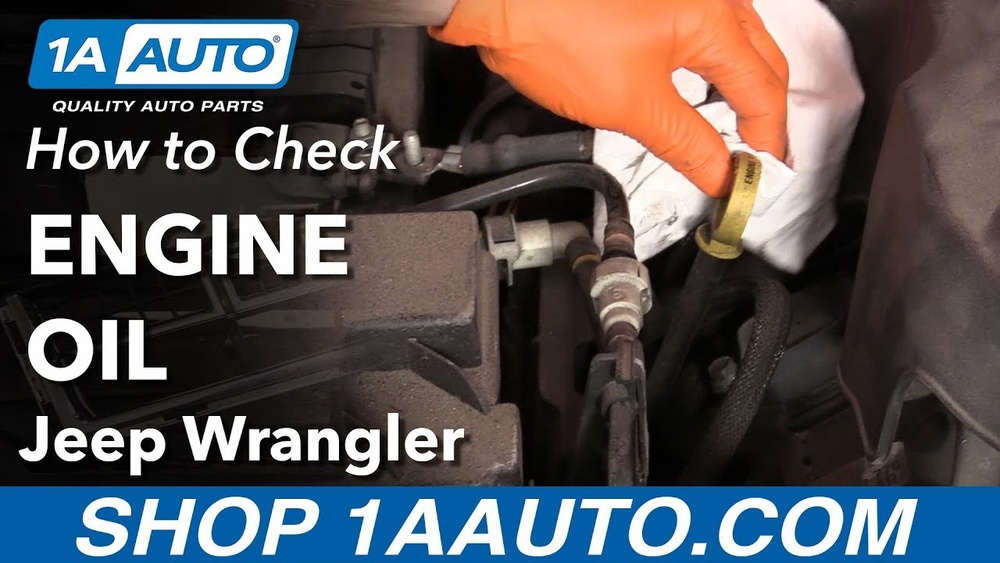
Look for the engine oil dipstick—usually marked with a yellow or orange handle. It’s near the front of the engine.
5. Remove And Clean The Dipstick
Pull the dipstick out. Use a clean rag to wipe off all oil.
6. Reinsert And Remove Dipstick Again
Put the dipstick fully back in, then pull it out once more.
7. Check The Oil Level
Observe the oil mark. There are two marks: MIN and MAX. The oil should be between them. If it’s below MIN, you need to add oil.
8. Check Oil Quality
Look at the oil color and texture. Fresh oil is light brown or amber. If it’s black, gritty, or smells burnt, it’s time for an oil change.
9. Add Oil If Needed
If the level is low, add the recommended oil type slowly. Do not overfill; check again after adding.
10. Secure Everything
Put the dipstick back, close the hood, and make sure everything is locked.
| Oil Color | Meaning | Action Needed |
|---|---|---|
| Light brown | Good | No action |
| Dark brown | Old, but safe | Plan oil change |
| Black or gritty | Contaminated | Change oil now |
| Milky | Coolant leak | Visit mechanic |

Choosing The Right Oil For Jeep Wrangler
Using the correct oil is vital. Jeep Wranglers often require SAE 5W-20 or SAE 5W-30 synthetic oil, but always check your owner’s manual. The wrong oil can reduce performance or damage the engine.
| Oil Type | Climate Suitability | Benefits |
|---|---|---|
| SAE 5W-20 | Moderate climates | Fuel efficiency |
| SAE 5W-30 | Hot climates | Better protection |
| SAE 0W-20 | Cold climates | Easy starts |
Two common mistakes are using cheap oil brands or ignoring the viscosity grade. These can lead to faster wear and higher fuel consumption.
Practical Tips And Non-obvious Insights
- Always check oil after off-roading, as dust can enter the system and contaminate oil faster.
- When topping up, pour oil slowly and check frequently to avoid overfilling, which can harm engine seals.
- Oil level can change after long trips due to heat expansion. Wait until the engine cools for the best reading.
- If you notice oil drops under your Jeep, check the oil level immediately and inspect for leaks.
- Record oil checks in your maintenance log. This helps you track patterns and spot issues early.
Many Jeep owners overlook the importance of checking oil quality, not just the level. Bad oil can cause subtle engine issues before obvious symptoms appear.

Frequently Asked Questions
How Often Should I Check Oil In My Jeep Wrangler?
Check oil at least once a month, and always before long drives or after off-road trips. More frequent checks are needed if you drive in extreme conditions.
What Happens If I Drive With Low Oil?
Driving with low oil increases friction and heat, which can cause engine failure. If the oil is below the MIN mark, add oil immediately.
Can I Use Any Oil Brand For My Wrangler?
No. Always use high-quality synthetic oil that matches the recommended viscosity. Cheap or incorrect oil can damage your engine.
Is It Normal To Lose Some Oil Over Time?
Yes, most engines consume a small amount of oil. However, losing more than 1 quart between oil changes may indicate a leak or engine problem.
What Should I Do If The Oil Looks Milky?
Milky oil means coolant is mixing with the oil, often due to a blown head gasket. Stop driving and have your Jeep checked by a mechanic as soon as possible.
Checking the oil in your Jeep Wrangler is quick but critical. With regular checks and the right oil, you’ll protect your investment and enjoy reliable performance. For detailed oil specifications and maintenance guidelines, consult the official Jeep Owner’s Manual. Taking these simple steps can save you thousands in repairs and keep your Jeep ready for every adventure.