Switching your Jeep from two-wheel drive to 4H (four-wheel high) is a useful skill for any owner. Whether you’re heading off-road, dealing with snow, or crossing muddy trails, knowing how and when to engage 4H can make your drive safer and more fun. But many drivers feel unsure about the process, especially if it’s their first time. This guide explains every step, clears up common doubts, and gives practical advice so you can switch to 4H with confidence.
What Is 4h And Why Use It?
4H stands for four-wheel drive, high range. When engaged, power goes to all four wheels, improving grip on slippery or uneven surfaces. Unlike 4L (four-wheel low), which is for slow, tough terrain, 4H lets you drive at normal speeds while getting extra traction. Most Jeep owners use 4H for:
- Snowy roads
- Loose gravel
- Wet or muddy conditions
- Light off-roading
Switching to 4H helps prevent spinning tires and loss of control. However, it’s not needed on dry, paved roads. Using 4H on regular asphalt can cause wear and damage to your drivetrain.
How To Switch To 4h On Jeep
Every Jeep model has its own system, but most use a shift lever or electronic selector. Here’s a step-by-step process that works for most modern Jeeps, including Wrangler, Cherokee, and Grand Cherokee.
- Check your speed: You can usually switch to 4H at speeds up to 55 mph. Slower is safer, especially for beginners.
- Ensure straight wheels: Turning sharply while shifting can stress the system.
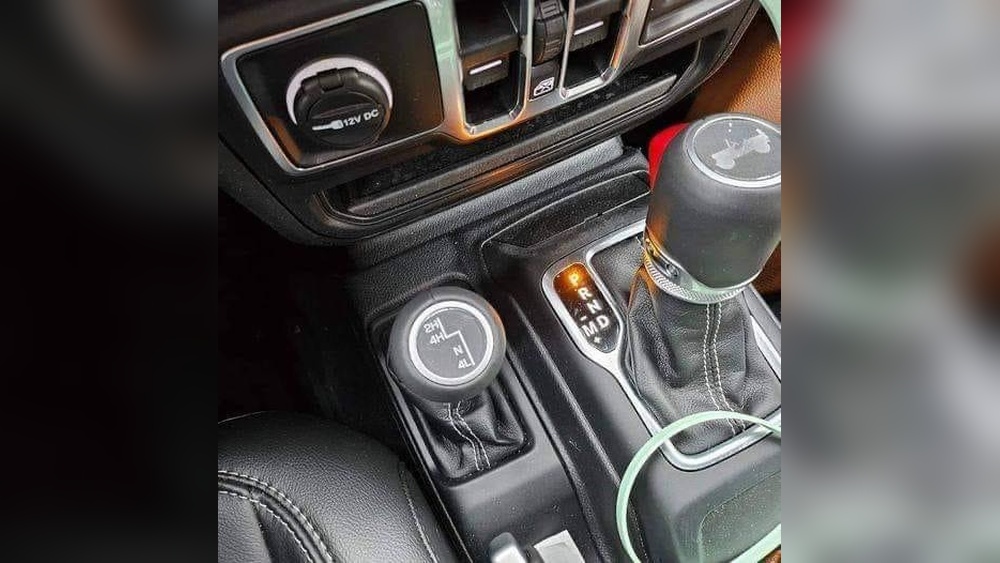
- Locate the transfer case control: This is either a lever or a knob, typically near the gear shifter.
- Move the lever/knob to 4H: For mechanical levers, pull straight back. For electronic controls, turn the knob to 4H.
- Wait for the indicator light: A light will show on the dashboard confirming 4H is engaged.
- Continue driving: There’s no need to stop or shift to neutral unless your owner’s manual says otherwise.
If your Jeep is older or has a manual transfer case, you may need to stop or slow down to switch. Always check your vehicle’s manual for model-specific instructions.
Common Mistakes To Avoid
Many Jeep owners make these errors:
- Switching on dry pavement: This can lead to drivetrain binding.
- Turning wheels during shift: Causes unnecessary strain.
- Ignoring indicator lights: If the 4H light doesn’t come on, the system may not be engaged.
When To Use 4h Vs 2h Vs 4l
Understanding when to use each mode prevents damage and maximizes performance. Here’s a quick comparison:
| Mode | Best For | Speed Range | Common Mistakes |
|---|---|---|---|
| 2H | Dry, paved roads | Any | Using in snow/mud |
| 4H | Snow, mud, sand | Up to 55 mph | Using on dry pavement |
| 4L | Steep hills, deep mud | Below 25 mph | Switching at high speed |
4H is best for moderate off-road conditions. 4L is for extreme situations where slow speed and maximum torque are needed.
Jeep 4h Systems: Lever Vs Electronic
Jeep models have two main 4H engagement systems. Knowing which you have makes switching easier.
| System Type | How To Switch | Models | Indicator Light |
|---|---|---|---|
| Manual Lever | Pull lever to 4H | Wrangler, older Cherokees | Yes |
| Electronic Knob | Turn knob to 4H | Grand Cherokee, newer models | Yes |
Manual levers give a physical “click” feeling. Electronic knobs are smoother and show a confirmation light.

Practical Tips For First-time Switching
Switching to 4H is easy, but a few practical tips can prevent problems:
- Practice in a safe area: Try switching in an empty parking lot before you need it for real.
- Watch for terrain changes: If you see mud or snow ahead, switch early—don’t wait until you’re stuck.
- Listen for odd noises: Grinding or clicking may mean the system didn’t engage properly.
- Check your tires: Uneven tire wear can affect 4H performance.
- Review your owner’s manual: Some models require shifting to neutral or slowing down.
One insight many beginners miss: switching to 4H doesn’t make your Jeep invincible. Good driving habits are still important. Another tip is to avoid switching repeatedly in a short period—this can cause unnecessary wear.
Real-world Example: Switching To 4h In Snow
Suppose you’re driving a Jeep Wrangler and a snowstorm hits. You slow to 30 mph, make sure your wheels are straight, and pull the lever to 4H. The dashboard light comes on. You continue driving, and notice your Jeep feels more stable. If the snow gets deeper or you need to climb a steep hill, you might switch to 4L—but for most snowy roads, 4H is perfect.

Data: Jeep Owners’ Experience With 4h
A recent survey from Jeep forums found:
| Condition | % Using 4H | % Using 2H | % Using 4L |
|---|---|---|---|
| Snow | 78% | 20% | 2% |
| Sand | 60% | 30% | 10% |
| Mud | 65% | 15% | 20% |
Most owners use 4H for snow and moderate mud, rarely needing 4L unless conditions are extreme.
Frequently Asked Questions
How Fast Can I Drive In 4h?
You can drive up to 55 mph in 4H, but slower speeds are safer for slippery conditions.
Can I Switch To 4h While Moving?
Yes, most modern Jeeps allow you to shift to 4H while driving. Always check your manual for details.
Is It Bad To Use 4h On Dry Pavement?
Yes, using 4H on dry roads can cause drivetrain binding and damage.
How Do I Know If 4h Is Engaged?
A dashboard 4H indicator light will show when the system is active.
What Should I Do If 4h Won’t Engage?
First, slow down and try again. If it still doesn’t work, check your manual or see a mechanic. For more detail on Jeep 4WD systems, visit Jeep Official 4×4 Guide.
Switching to 4H on your Jeep is a straightforward process, but doing it correctly means safer, smoother driving. Practice the steps, know your system, and use 4H only when conditions demand it. With these tips, you’ll be ready for any terrain your Jeep faces.