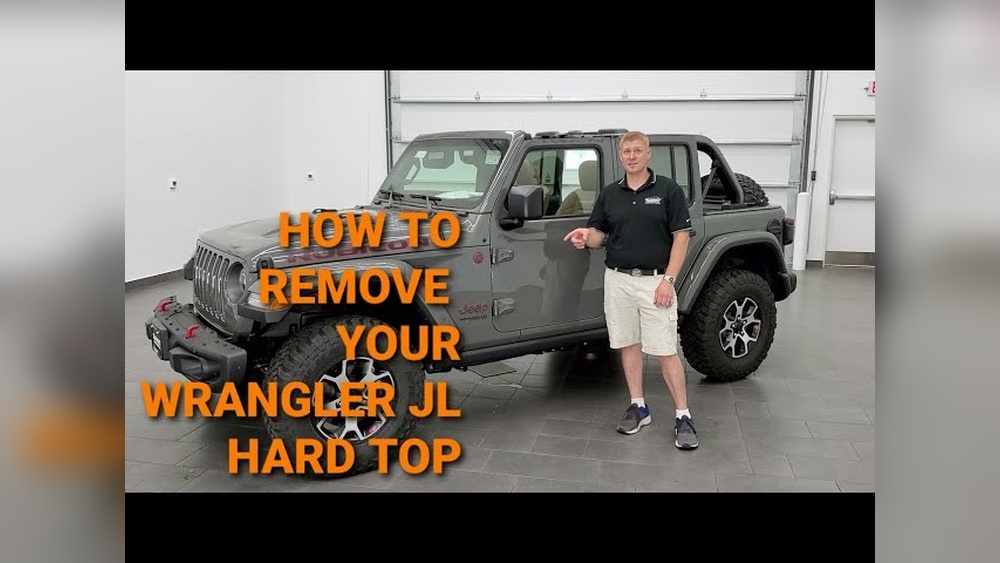
Removing the hardtop from a Jeep Wrangler can transform your driving experience. Whether you want to feel the wind, go off-roading, or simply enjoy open-air driving, taking off the hardtop is the first step. Many owners worry that this task is complicated or risky, but with the right approach, it’s safe and manageable.
This guide will walk you through the process, share practical tips, and help you avoid common mistakes.
Tools And Preparation
Before you start, gather a few tools and plan ahead. Most Jeep Wrangler hardtops need only basic tools, but preparation makes the job easier and safer.
You’ll need:
- Torx screwdriver (usually T40 or T50)
- Socket wrench
- Storage bags for bolts
- Helper (removing the hardtop solo is risky)
- Protective gloves
Check your Jeep’s manual for the exact Torx size. Newer Wranglers often use T50 bolts, while older models may vary.
Hardtop Vs. Soft Top: Quick Comparison
Not sure which top suits your lifestyle? Here’s a fast comparison.
| Feature | Hardtop | Soft Top |
|---|---|---|
| Weather Protection | Excellent | Moderate |
| Noise Level | Low | High |
| Removal Difficulty | High | Low |
| Weight | Heavy (100-150 lbs) | Light (40-60 lbs) |
The hardtop is heavier and needs careful handling. Always ask a friend for help to avoid damage or injury.
Step-by-step Hardtop Removal
Follow these steps for a safe and smooth removal.
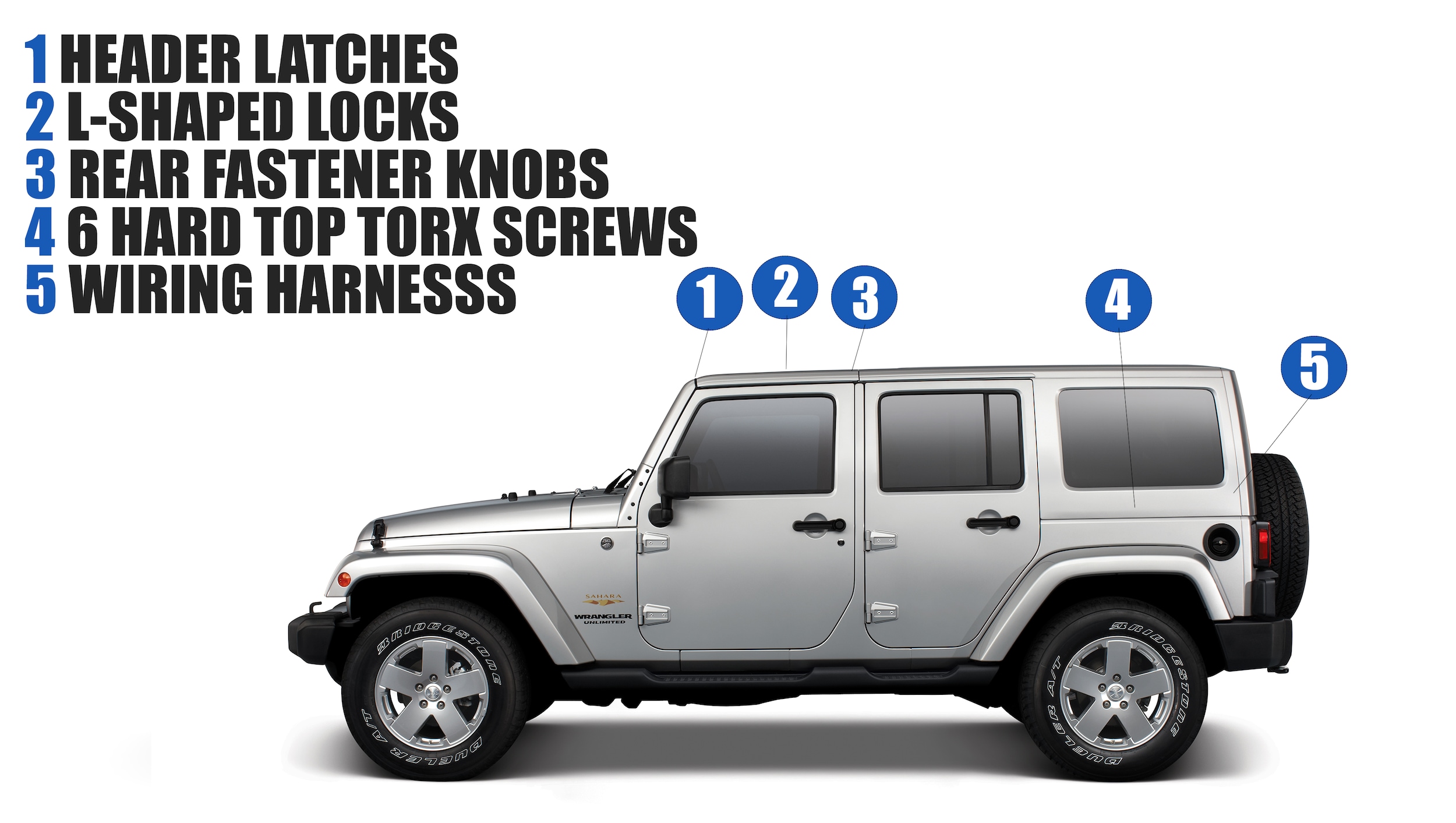
1. Disconnect Electrical Connections
On most modern Wranglers, the hardtop connects to the rear defroster and wiper. Find the plugs in the cargo area and gently unplug them. Don’t force the wires; tugging can break the connectors.
2. Remove Bolts And Latches
Use your Torx screwdriver or socket wrench to unscrew the bolts inside the cabin and cargo area. Typically, there are six bolts (two above each door, two at the back). Place the bolts in a storage bag.
Next, undo the latches above the windshield. These are easy to flip open by hand.
3. Lift Off The Hardtop
Stand on each side with your helper. Gently lift the hardtop straight up, then move it away from the Jeep. Avoid tilting or dragging—it can scratch the paint or damage the seals.
4. Store The Hardtop Safely
Place the hardtop on a soft surface. Some owners use blankets or foam mats. If you have a garage, keep it away from direct sunlight and moisture.
Removal Time Estimates
| Model Year | Estimated Time (2 people) |
|---|---|
| 2018-2024 | 25-35 minutes |
| 2010-2017 | 30-40 minutes |
| 2007-2009 | 35-45 minutes |
Newer models are easier thanks to improved latch designs and fewer bolts.

Common Mistakes And How To Avoid Them
Many first-time Jeep owners make errors when removing the hardtop. Here are two insights most beginners miss:
- Not labeling bolts: Jeep bolts can look similar but have different lengths. Use sticky notes or bags to keep them organized. Mixing them up makes reinstallation harder.
- Ignoring weather forecast: Removing the hardtop before rain can cause water damage inside your Jeep. Check the forecast and plan ahead.
Some also try to remove the hardtop alone. This is risky—the top is heavy and awkward to handle. Always ask for help, or consider a hoist system for your garage.
Practical Tips For Smooth Removal
- Warm up the Jeep: If your hardtop hasn’t been removed for months, drive for a few minutes. Warm seals are easier to work with.
- Keep seals clean: Dirt can cause leaks. Wipe seals with a damp cloth before reinstalling the hardtop.
- Use a hoist: If you remove the hardtop often, an overhead hoist can save time and protect your back. There are manual and electric options, costing $100–$350.
Hardtop Removal Vs. Hoist System
| Method | Effort | Safety | Cost |
|---|---|---|---|
| Manual (2 people) | Medium | Good | Free |
| Hoist System | Low | Excellent | $100–$350 |
Most Jeep owners start with manual removal, then upgrade to a hoist if they do it often.
Final Steps: Reinstallation And Inspection
After enjoying your open-air Jeep, reinstalling the hardtop is simple if you kept bolts organized and seals clean. Inspect the top for cracks or scratches. Plug in the electrical connectors and check the rear wiper and defroster. If you notice leaks after reinstalling, clean the seals and tighten bolts evenly.
Some Jeep owners choose to buy seal kits for older models. This helps prevent leaks and wind noise. For detailed maintenance tips, visit Jeep Official Site.
Removing your Jeep Wrangler’s hardtop is not just about fun—it’s about knowing your vehicle and caring for its parts. With careful planning and attention to detail, you’ll keep your Jeep in top condition and enjoy the freedom it offers.
Frequently Asked Questions
How Many People Are Needed To Remove A Jeep Wrangler Hardtop?
It’s safest with two people. The hardtop weighs about 100–150 lbs and is bulky. Lifting it alone can cause injury or damage.
What Tools Are Required For Removing The Hardtop?
You need a Torx screwdriver, socket wrench, and storage bags for bolts. Check your Jeep’s manual for the exact Torx size.
Can I Drive With The Hardtop Off In Any Weather?
Driving without the hardtop is best in dry weather. Rain or snow can damage your Jeep’s interior. Always check the weather before removal.
Is A Hoist System Necessary For Hardtop Removal?
A hoist system is not required, but it makes frequent removal easier and safer. Manual removal is fine for most people if you have help.
How Can I Prevent Leaks After Reinstalling The Hardtop?
Clean the seals and tighten bolts evenly. For older Jeeps, consider buying seal kits to improve weather protection.
Removing the hardtop from your Jeep Wrangler is a rewarding experience. With the right tools, good planning, and practical tips, you’ll enjoy more freedom and keep your vehicle in excellent condition.