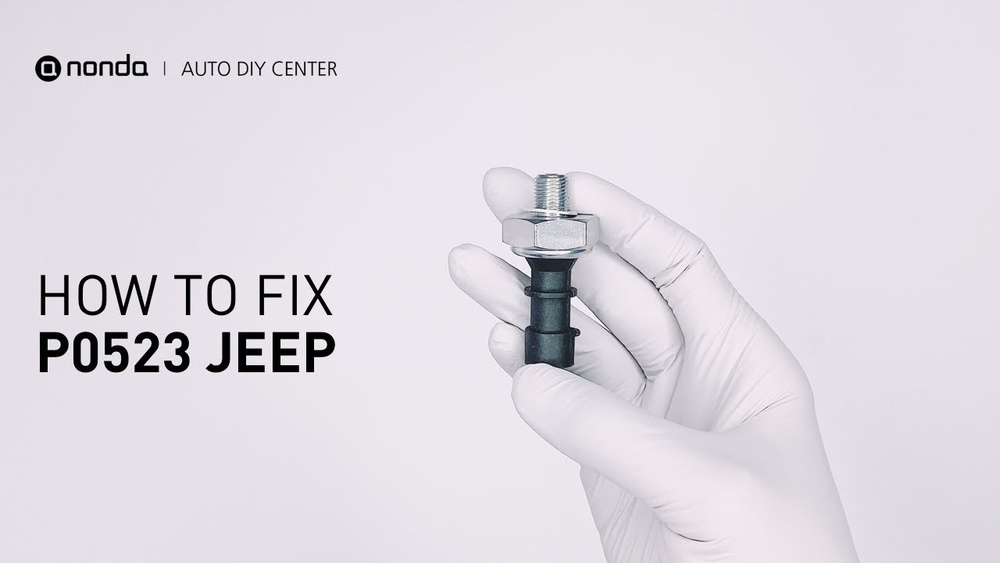
If you’re seeing the P0138 code on your Jeep, you might be wondering what it means and how it affects your vehicle. This code signals a problem with the oxygen sensor circuit, specifically indicating a high voltage issue.
But what does that actually mean for your Jeep’s performance and fuel efficiency? More importantly, how can you fix it before it turns into a costly repair? You’ll discover the common causes behind the P0138 code, simple steps you can take to diagnose the problem, and practical tips to get your Jeep running smoothly again.
Keep reading to protect your ride and avoid unexpected breakdowns.

Symptoms Of P0138 Code
The P0138 code in a Jeep points to an issue with the oxygen sensor circuit. Recognizing the symptoms early helps prevent further damage. These signs often affect the engine’s behavior and fuel use. Understanding these symptoms can guide timely repairs and maintain your Jeep’s performance.
Check Engine Light Activation
The most common sign is the check engine light turning on. This warning alerts you to a problem with the oxygen sensor circuit. The light may stay steady or flash, depending on the severity. Ignoring it can lead to bigger engine troubles.
Engine Performance Issues
The engine may run rough or hesitate during acceleration. You might notice a loss of power or uneven idling. These issues arise because the sensor sends incorrect data to the engine control unit. This causes improper fuel and air mixture adjustments.
Fuel Efficiency Drop
A failing oxygen sensor can cause a decrease in fuel economy. Your Jeep might burn more fuel than usual. This happens as the engine compensates for faulty sensor readings. Tracking fuel use can help catch this problem early.
Common Causes
The P0138 code in a Jeep signals a problem with the oxygen sensor circuit. This code means the sensor voltage is too high for too long. Several issues can cause this trouble. Understanding these causes helps in quick diagnosis and repair.
Each cause affects the sensor’s ability to send correct signals to the engine control unit. Fixing the root issue restores engine performance and fuel efficiency. Here are the most common causes of P0138 in Jeep vehicles.
Oxygen Sensor Wiring Problems
Damaged or broken wires to the oxygen sensor often trigger the P0138 code. Wires may be rubbed through, melted, or disconnected. These issues stop proper voltage signals from reaching the engine control module. Checking wiring for damage is an important first step.
Faulty Oxygen Sensor
A worn or damaged oxygen sensor can send incorrect voltage readings. Over time, sensors degrade and fail to measure exhaust gases accurately. Replacing the sensor often clears the P0138 code and improves engine efficiency.
Heater Circuit Malfunction
The oxygen sensor heater helps the sensor reach operating temperature quickly. A failure in the heater circuit causes delayed sensor response. This malfunction can lead to a high voltage condition and trigger the P0138 code. Testing the heater circuit is necessary for diagnosis.
Exhaust Leaks Near Sensor
Leaks in the exhaust system near the oxygen sensor affect its readings. Extra oxygen enters through leaks, causing false high voltage signals. Inspecting and fixing exhaust leaks can solve the P0138 code problem.
Ecu Issues
The engine control unit processes oxygen sensor signals. Faults in the ECU can cause incorrect readings or false alarms. ECU problems are less common but possible. Diagnosing the ECU requires special tools and professional help.
Testing The Oxygen Sensor
Testing the oxygen sensor on your Jeep helps diagnose code P0138. This code means the sensor reads a high voltage signal. The downstream oxygen sensor plays a key role in monitoring exhaust gases after the catalytic converter. Proper testing involves several steps to check the sensor and its wiring. These steps ensure the sensor works correctly and rules out wiring or electrical issues.
Locating The Downstream Sensor
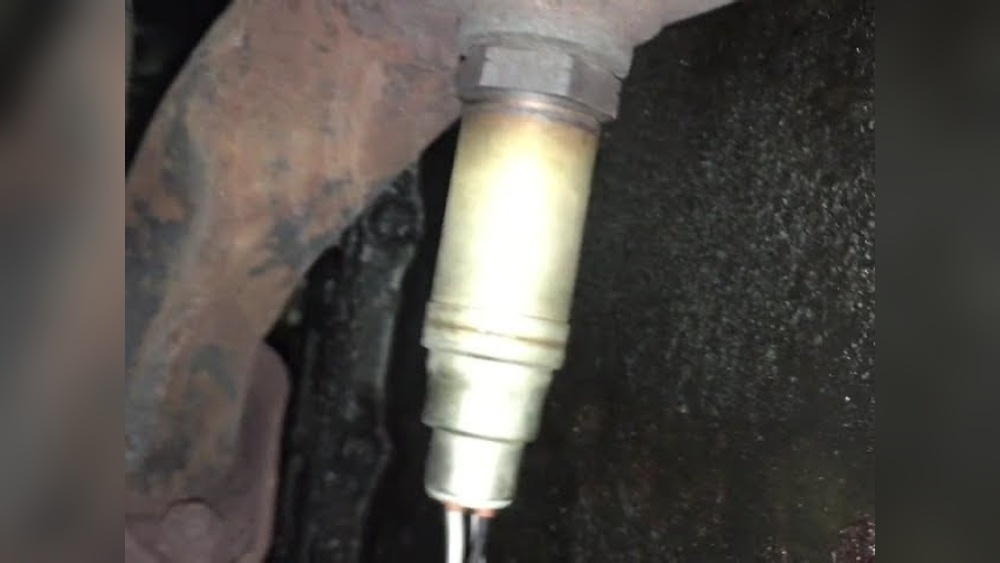
The downstream oxygen sensor sits after the catalytic converter. On most Jeep models, it is near the exhaust pipe at the rear. Look for a sensor with a wire connector attached. It usually screws into the exhaust pipe or muffler. Identifying the right sensor is important before testing. The upstream sensor is closer to the engine and should not be tested here.
Checking Wiring Continuity
Disconnect the sensor’s electrical connector. Use a multimeter set to measure continuity. Test the wires for breaks or shorts. Check between the sensor pins and the connector end. Look for any melted, frayed, or damaged wires along the harness. Good continuity means no open circuits. Bad continuity means a wiring repair is needed before further testing.
Measuring Sensor Voltage
Reconnect the sensor and start the engine. Use a multimeter to measure voltage at the sensor signal wire. The voltage should vary as the engine runs, typically between 0.1 and 0.9 volts. A constant high voltage reading may cause the P0138 code. This test confirms if the sensor responds correctly to exhaust gases.
Inspecting Heater Circuit
The oxygen sensor has a heater to reach operating temperature quickly. Test the heater circuit by measuring resistance across the heater wires. The typical resistance is between 5 and 14 ohms. Check for power and ground at the sensor connector with the ignition on. A faulty heater can cause sensor errors and poor engine performance.

Step-by-step Fix Guide
Fixing the P0138 code on your Jeep requires a clear, careful process. This step-by-step guide helps you address the issue safely and effectively. Follow each step to ensure the oxygen sensor and related components work properly again.
Inspect Sensor Wiring Thoroughly
Start by examining the oxygen sensor wiring carefully. Look for any signs of damage like cuts, burns, or frays. Check the connectors for corrosion or loose pins. Damaged wiring can cause false signals and trigger the P0138 code. Trace the wires from the sensor back toward the engine to find any hidden issues.
Clean Or Replace The Oxygen Sensor
Remove the oxygen sensor and inspect its tip for dirt or buildup. Use a sensor-safe cleaner to remove deposits gently. If cleaning does not improve performance, replace the sensor with a new one. A faulty sensor often causes high voltage readings that trigger error codes.
Repair Or Replace Damaged Wiring
After identifying damaged wires, repair or replace them as needed. Use electrical tape or heat shrink tubing for small fixes. For major damage, replace the entire wire harness section. Secure all connections to avoid future problems. Proper wiring ensures accurate sensor readings and vehicle safety.
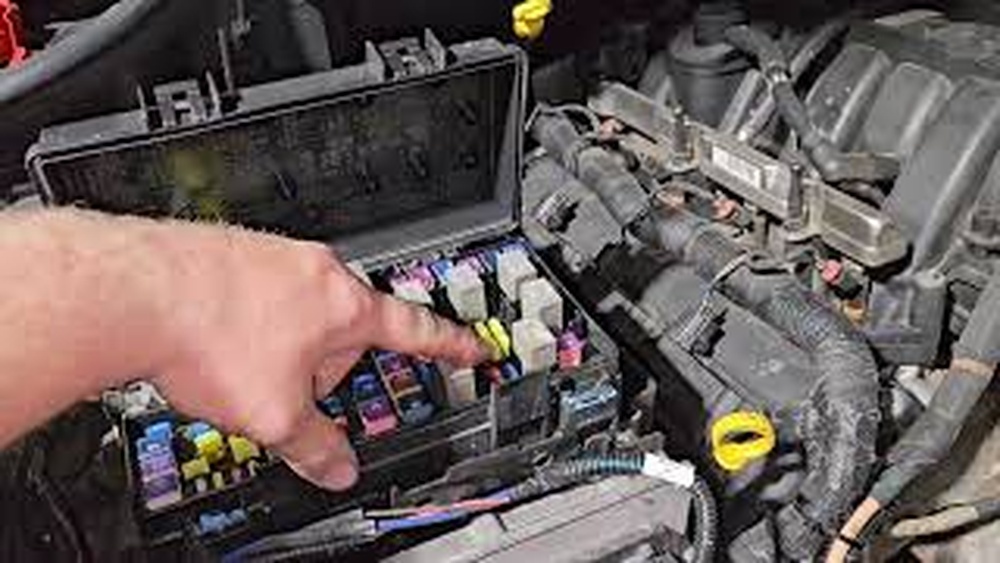
Test And Replace Sensor Heater Relay
Check the sensor heater relay with a multimeter to verify it functions correctly. A faulty relay can prevent the sensor from heating properly, affecting its performance. Replace the relay if it shows signs of failure. This step helps maintain the sensor’s temperature for accurate readings.
Clear Error Codes
Use an OBD-II scanner to clear the stored P0138 error code. Turn off the engine before connecting the scanner. After clearing the code, start the Jeep and monitor for any recurrence. Clearing codes resets the system and confirms if repairs were successful.
Frequently Asked Questions
How Do You Fix The Code P0138?
To fix code P0138, inspect and repair wiring to the downstream oxygen sensor. Replace the sensor if faulty. Clear the code and test drive to confirm the issue is resolved.
What Is A Common Cause Of P0138?
A common cause of P0138 is an open or damaged wiring in the oxygen sensor heater circuit.
Where Is The Oxygen Sensor Bank 2 Sensor 2 Located?
The oxygen sensor bank 2 sensor 2 is located after the catalytic converter on the exhaust pipe’s rear side.
What Causes An O2 Sensor To Read High Voltage?
An O2 sensor reads high voltage due to a rich fuel mixture, faulty injectors, or wiring issues causing excess fuel or signal errors.
Conclusion
The P0138 code in your Jeep signals a problem with the oxygen sensor’s heater circuit. Fixing wiring issues or replacing the sensor often solves the problem. Addressing this code keeps your Jeep running smoothly and saves fuel. Don’t ignore the warning light; it protects your engine’s health.
Regular checks help avoid costly repairs down the road. Stay proactive to enjoy a reliable Jeep every day.