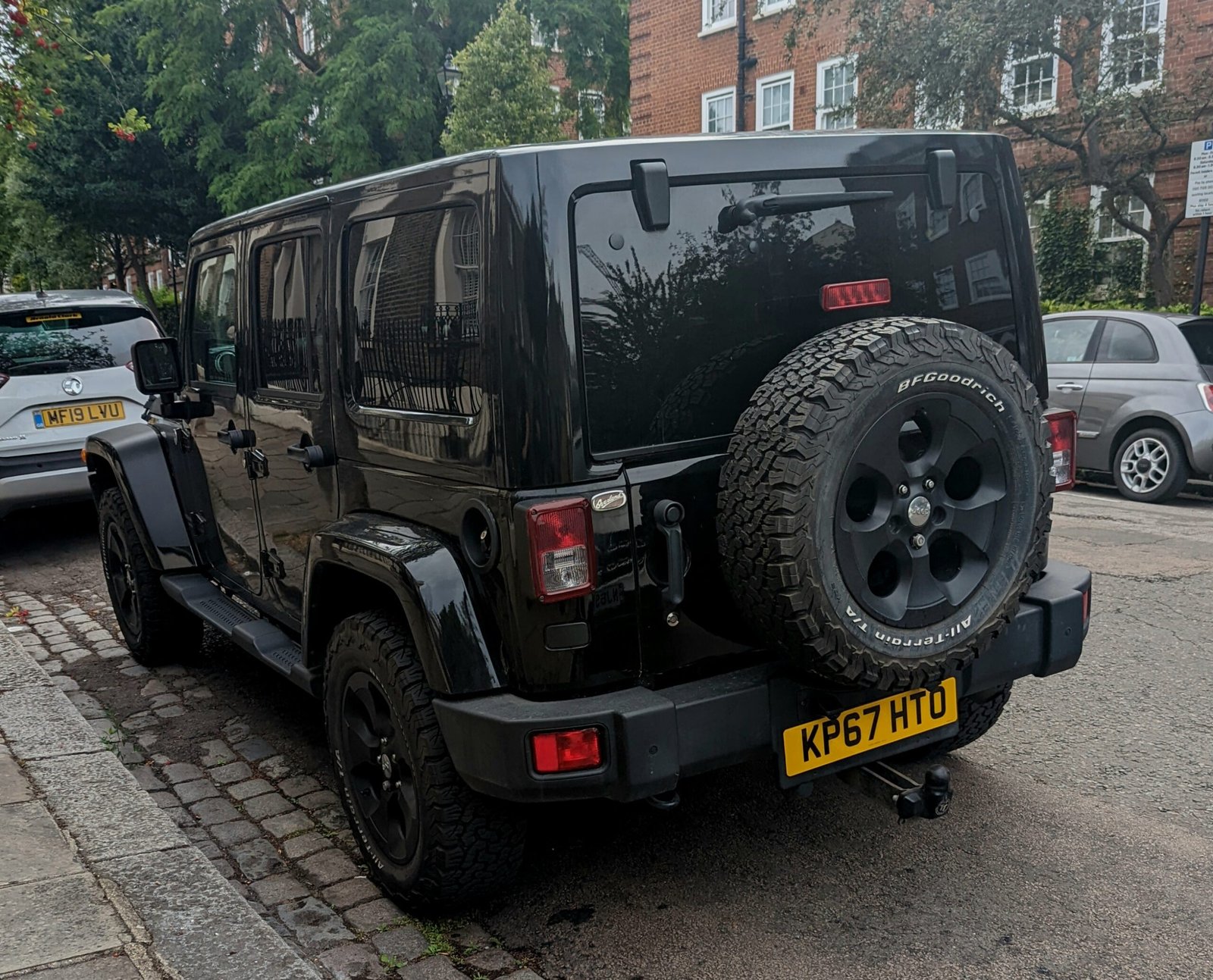
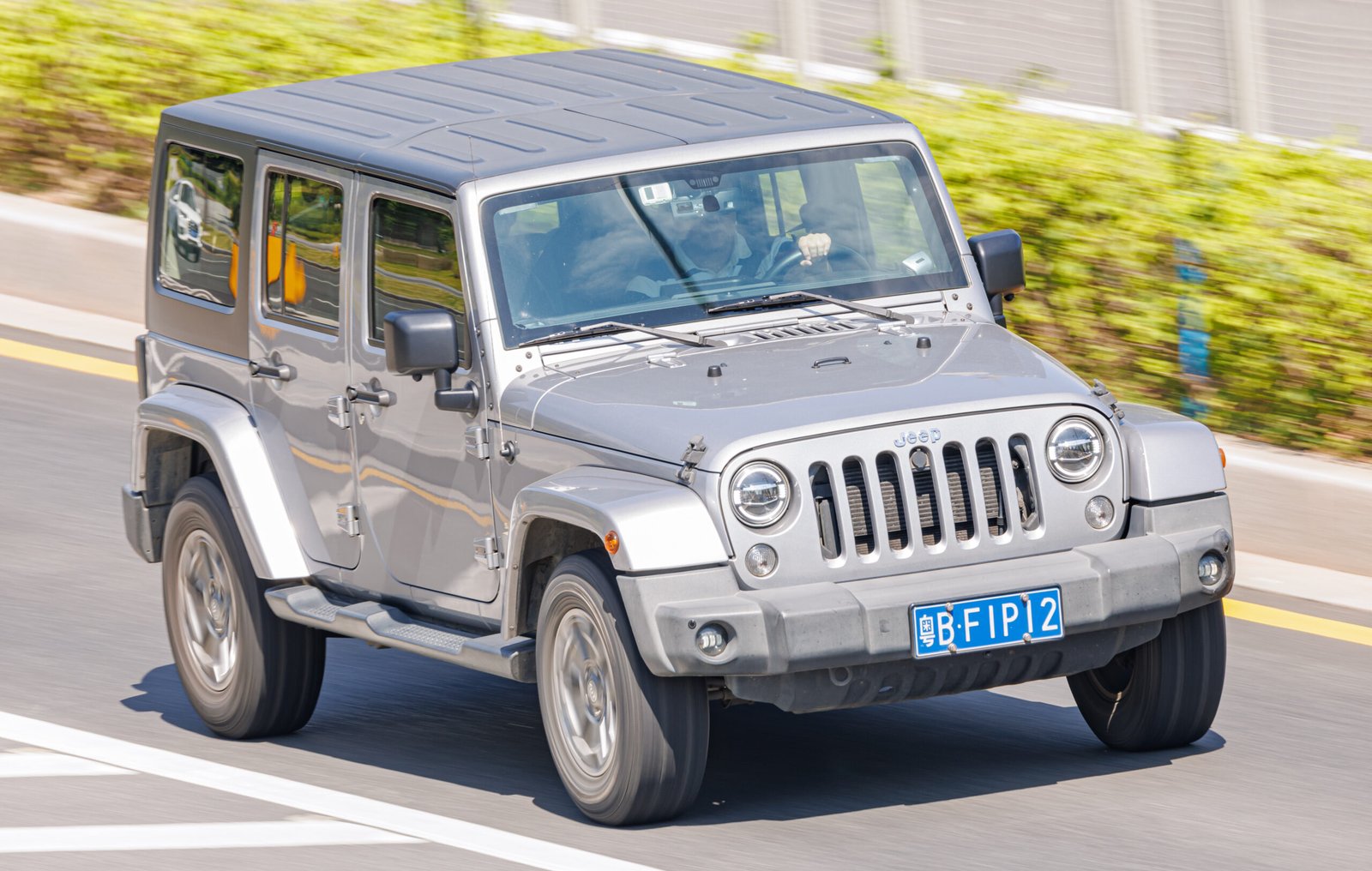
Changing the steering stabilizer on your Jeep Wrangler is a practical skill every owner should know. A worn stabilizer can cause steering wobble and less control—especially off-road or on rough highways. With the right tools and guidance, you can replace this part yourself and save on mechanic costs.
This article walks you through the process step-by-step, explains what matters most, and shares tips many beginners overlook.
Understanding Steering Stabilizer Function
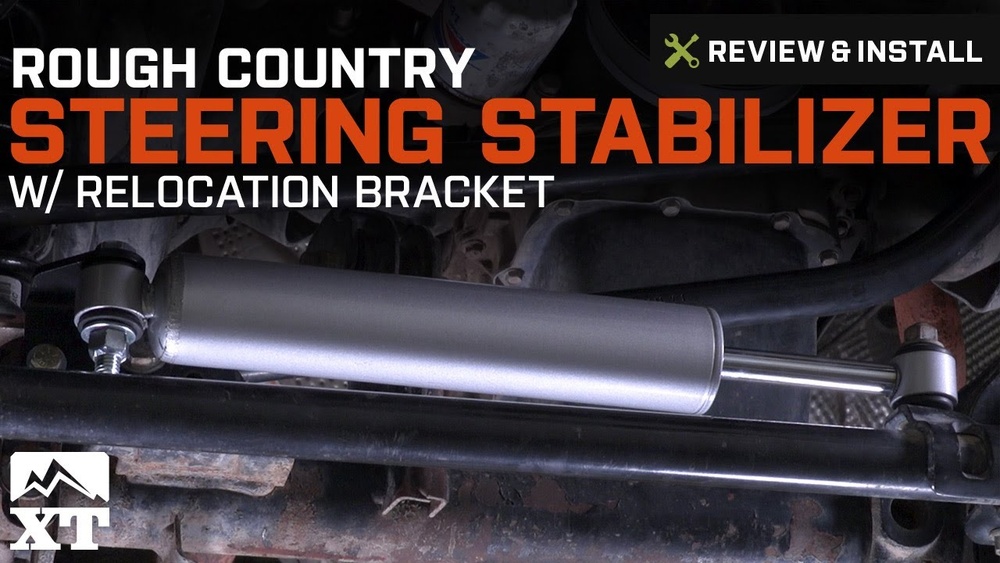
The steering stabilizer is a shock absorber for your steering system. It reduces vibrations and helps keep the steering wheel steady when you hit bumps or drive over rough terrain. On Jeep Wranglers, this part is crucial because of their solid front axle and frequent off-road use. When the stabilizer wears out, you may notice steering wheel shake, poor handling, or “death wobble.”
Many Jeep owners think the stabilizer fixes all steering problems. Actually, it just masks issues like worn suspension or misaligned tires. If your Jeep has major steering issues, check other parts before changing the stabilizer.
Tools And Parts You’ll Need
Before starting, gather these tools:
- Socket wrench set (usually 15mm and 18mm sockets)
- Box end wrench
- Torque wrench
- Pry bar (optional)
- Replacement steering stabilizer
- Jack and jack stands (for safety)
- Safety glasses and gloves
Quality stabilizers range from $30 to $150, depending on brand and type. Most Jeep Wranglers use a single stabilizer, but some aftermarket kits add a second for heavy off-road use.
| Tool/Part | Purpose | Estimated Cost |
|---|---|---|
| Socket wrench | Remove bolts | $25–$50 |
| Torque wrench | Proper bolt tightening | $35–$100 |
| Steering stabilizer | Replacement part | $30–$150 |
Step-by-step: Changing The Steering Stabilizer
1. Park And Secure Jeep
Make sure your Jeep is on a flat surface. Engage the parking brake. Use jack stands if you need extra space under the vehicle.
2. Locate The Steering Stabilizer
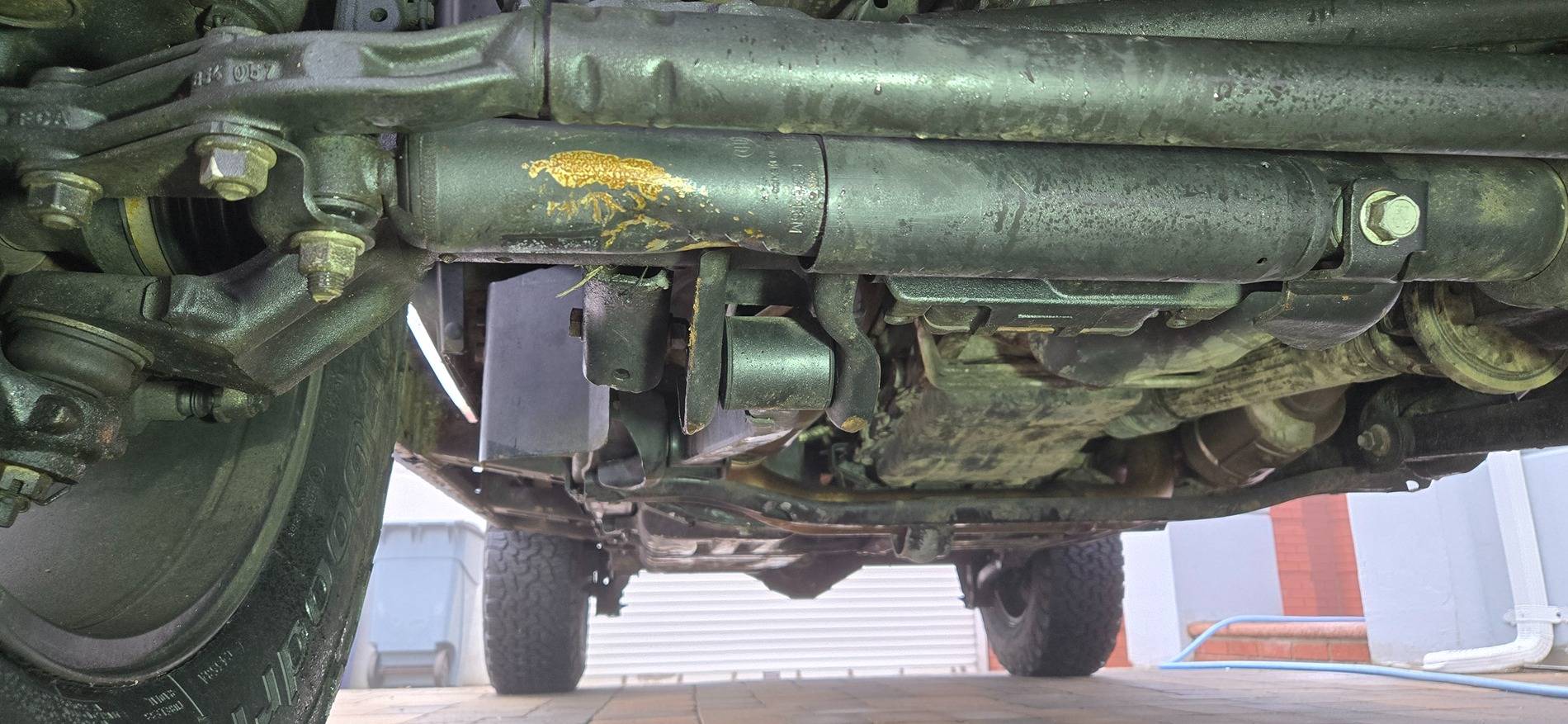
It’s mounted horizontally between the front axle and the tie rod. Look for a cylinder-shaped part attached by two bolts.
3. Remove Old Stabilizer
Spray the bolts with penetrating oil if they’re rusty. Use your socket and box end wrenches to loosen and remove both bolts. You may need a pry bar if the stabilizer is stuck.
4. Compare Old And New Parts
Place the old stabilizer next to the new one. Make sure the length and mounting points match. Some stabilizers are adjustable; follow the instructions if yours is.
5. Install The New Stabilizer
Position the new stabilizer where the old one sat. Insert bolts and hand-tighten. Use the torque wrench to tighten to the manufacturer’s recommended specs (usually 45–55 ft-lbs).
6. Check For Clearance
Turn the steering wheel fully left and right. Make sure the stabilizer does not touch other parts or bind.
7. Lower Jeep And Test Drive
Remove jack stands. Drive your Jeep at low speed and then on the highway. Watch for vibration or steering issues.
| Step | Typical Time | Difficulty Level |
|---|---|---|
| Preparation | 10 min | Easy |
| Removal | 15 min | Moderate |
| Installation | 20 min | Moderate |
| Testing | 10 min | Easy |
Important Tips And Mistakes To Avoid
- Don’t overtighten bolts. This can damage the mounting brackets.
- Check for leaks. If your old stabilizer has oil leaks, it’s definitely time to replace.
- Inspect other suspension parts. Changing the stabilizer won’t fix worn ball joints or tie rods.
- Use correct torque. Many beginners skip the torque wrench and later face loose bolts.
- Buy quality parts. Cheap stabilizers often fail quickly or don’t fit properly.
One insight most beginners miss: If you upgrade tires or lift your Jeep, you may need a heavier-duty stabilizer. Also, if your steering feels loose after changing the stabilizer, check your alignment or tire balance.

Choosing The Right Steering Stabilizer
There are several stabilizer options for Jeep Wranglers. The main choices are:
- OEM (original equipment): Designed for stock Jeeps.
- Heavy-duty aftermarket: For lifted or off-road vehicles.
- Adjustable types: Allow tuning for specific driving conditions.
Compare features before buying:
| Type | Best For | Durability | Price Range |
|---|---|---|---|
| OEM | Daily driving | Good | $30–$60 |
| Heavy-duty | Off-road/lifted | Excellent | $80–$150 |
| Adjustable | Custom tuning | Very good | $100–$200 |
For most owners, OEM is fine. But if you have larger tires or do serious off-roading, heavy-duty or adjustable stabilizers are worth considering. Make sure the part matches your Jeep’s year and model.
Frequently Asked Questions
How Often Should I Change The Steering Stabilizer?
Most Jeep stabilizers last 40,000–60,000 miles. Change it if you notice steering shake, leaks, or after rough off-road trips.
Can A Bad Stabilizer Cause “death Wobble”?
A bad stabilizer can make wobble worse, but it’s not the main cause. Check track bar, ball joints, and tire balance for real fixes.
Do I Need An Alignment After Changing Stabilizer?
If you only change the stabilizer, alignment usually stays the same. If you notice the steering off-center, get an alignment check.
Is It Safe To Drive With A Leaking Stabilizer?
It’s not recommended. A leaking stabilizer reduces control and can mask other issues. Replace as soon as possible.
Where Can I Find Official Jeep Wrangler Parts?
For reliable parts and specs, visit the Jeep Official Site. They list compatible stabilizers for each model year.
Replacing your Jeep Wrangler’s steering stabilizer is a manageable job for most owners. With the right tools and careful steps, you can restore safe, smooth steering and improve your driving experience. Take time to inspect other suspension components, choose a stabilizer that fits your needs, and use proper torque for lasting results.
This small investment brings peace of mind—especially on tough roads and trails.