Getting past a DPF pressure sensor is a subject many diesel vehicle owners search for, often due to performance issues, costly repairs, or warning lights. The Diesel Particulate Filter (DPF) is an emissions device in modern diesel engines that traps soot and particles. The pressure sensor measures the difference in air pressure before and after the filter, alerting the engine computer when the filter is clogged or needs regeneration. While bypassing this sensor can seem like a quick fix, it comes with risks and legal concerns. This guide will help you understand how the sensor works, why people bypass it, and the practical steps and consequences involved.
Understanding The Dpf Pressure Sensor
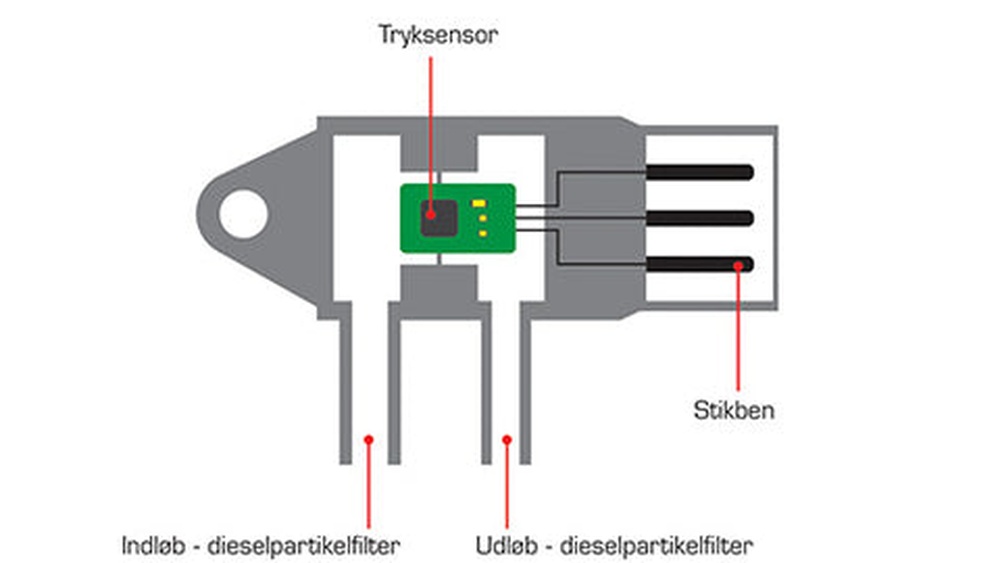
The DPF pressure sensor is critical for monitoring the filter’s health. It detects pressure changes, which indicate the amount of soot trapped in the filter. When the difference is too high, the system triggers a regeneration cycle or warning light.
Most sensors operate between 0–5 volts. If the filter gets blocked, the sensor sends a higher voltage to the engine control unit (ECU). This is how the vehicle knows to clean or replace the filter.
Here’s a comparison of typical DPF sensor signals:
| Condition | Sensor Voltage (V) | ECU Response |
|---|---|---|
| Clean DPF | ~0.5–1.5 | No action |
| Normal soot buildup | ~1.5–2.5 | Regeneration initiated |
| Clogged DPF | ~3.0–5.0 | Warning light, limp mode |
Why Bypass The Dpf Pressure Sensor?
There are several reasons drivers consider bypassing this sensor:
- Avoid costly repairs – DPF replacements can cost $1,000–$3,000.
- Prevent limp mode – When the filter is blocked, the car may lose power.
- Reduce downtime – Regeneration cycles can interrupt driving and lower fuel efficiency.
- Performance tuning – Some modify their vehicles for better output, especially in off-road or racing situations.
However, bypassing can cause legal issues. In most US states, tampering with emissions controls is illegal and can result in fines. Insurance and warranties may also be voided.
Methods To Bypass The Dpf Pressure Sensor
If you decide to bypass the sensor, there are several methods, each with its own risks. Make sure to follow local laws and consider professional advice.
1. Electrical Resistor Trick
This method fools the ECU into thinking the DPF is working normally.
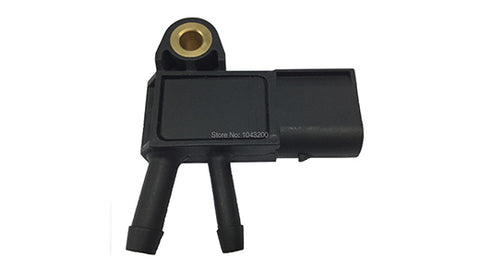
- Identify the sensor’s signal wire (usually 3 wires: Power, ground, signal).
- Use a resistor matching the sensor’s normal output (often 220–330 ohms).
- Connect the resistor between the signal and ground wires.
- Secure all connections and insulate with electrical tape.
This tricks the ECU, but can cause error codes if not matched correctly.
2. Sensor Emulator
A DPF emulator mimics the sensor’s signals.
- Purchase a model that fits your vehicle’s ECU.
- Unplug the original sensor, plug in the emulator.
- Follow manufacturer instructions for setup.
Emulators are more reliable but cost $100–$400.
3. Ecu Remapping
Remapping or “tuning” the ECU disables DPF monitoring.
- Use specialized software and a programmer.
- Change the sensor readings in the ECU map.
- This process requires expertise or a tuning shop.
Risks include irreversible changes and legal penalties.
Below is a comparison of bypass methods:
| Method | Cost | Difficulty | Reliability |
|---|---|---|---|
| Resistor Trick | $1–$5 | Medium | Low |
| Emulator | $100–$400 | Easy | High |
| ECU Remapping | $300–$800 | Hard | Medium |
Risks And Consequences
Bypassing the DPF sensor has several downsides:
- Legal fines: Tampering with emissions systems can lead to fines up to $2,500.
- Environmental harm: Higher emissions affect air quality.
- Warranty loss: Most manufacturers void warranty after tampering.
- Resale value: Cars with bypassed sensors may not pass inspection.
- Check engine lights: Incorrect bypass can trigger more errors.
A common mistake is not matching resistor values, causing repeated warning lights. Another is incomplete ECU remapping, which can damage the engine.

Practical Tips For Safe Bypass
If you still want to bypass the sensor, follow these tips:
- Research your vehicle’s wiring diagram before starting.
- Use high-quality resistors and connectors.
- Test the bypass with an OBD2 scanner for error codes.
- Keep the original parts in case you need to reverse changes.
- Always check emission laws in your state or country.
One non-obvious insight: Sometimes, cleaning the DPF or replacing the sensor is easier and safer than bypassing. Another: Some newer vehicles have software updates that fix false sensor readings, without needing a bypass.
Frequently Asked Questions
What Does The Dpf Pressure Sensor Do?
The DPF pressure sensor measures the air pressure before and after the filter. It helps the ECU decide when to start regeneration or warn about clogging.
Is It Illegal To Bypass The Dpf Pressure Sensor?
Yes, in most US states and EU countries, bypassing emissions controls is illegal. It can lead to fines, failed inspections, and loss of warranty.
Will Bypassing The Sensor Improve Performance?
Sometimes, it prevents limp mode and restores power, but it can also cause new engine errors, higher emissions, and reliability issues.
Can I Use A Resistor For All Vehicles?
No. Resistor values and wiring vary by vehicle. Using the wrong resistor can trigger warning lights or damage the ECU.
What Are Safer Alternatives To Bypassing?
Cleaning the DPF, replacing the sensor, or updating ECU software are safer choices. Professional diagnostics can pinpoint issues without illegal modifications.
Bypassing the DPF pressure sensor is a shortcut with many risks. If you decide to proceed, use the correct method for your vehicle and always consider legal and environmental consequences. If possible, consult a professional or look for safer fixes. For more technical details, visit Wikipedia.