A bubble on a tire is a serious problem that many drivers ignore or misunderstand. You may notice a bulge on the sidewall after hitting a pothole or curb. This bubble means the tire’s inner structure is damaged. Driving with a bubble is dangerous.
It can cause a sudden blowout and lead to accidents. Knowing how to handle a tire bubble can keep you safe and prevent bigger issues.
What Causes A Bubble On A Tire?
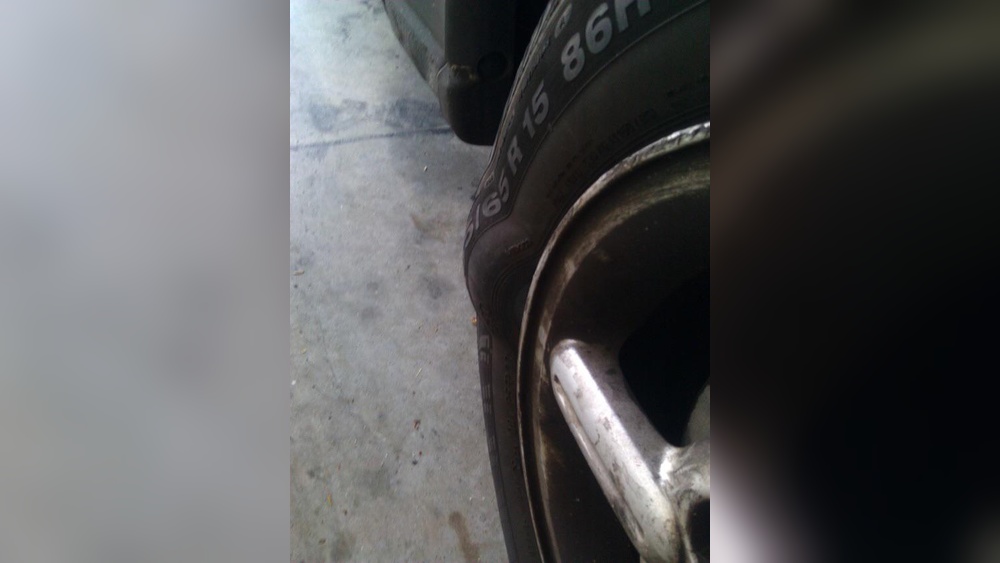
A tire bubble forms when the inner layers of the tire, especially the sidewall, are damaged. The most common cause is impact damage. For example, hitting a curb, pothole, or debris at high speed can break the inner lining. Air escapes from the inner chamber and gets trapped between the layers, creating a visible bubble.
Other causes include:
- Manufacturing defects (rare)
- Over-inflation or under-inflation
- Age and wear
- Driving with a flat or low-pressure tire
Bubbles usually appear in the sidewall, not the tread. The sidewall is thinner and less protected, making it vulnerable to impacts.
Why You Should Never Ignore A Tire Bubble
Ignoring a bubble is risky. The tire’s strength is compromised. Even a small bubble can burst suddenly, especially at high speeds or under load. According to the National Highway Traffic Safety Administration (NHTSA), tire failure causes over 11,000 accidents each year in the US.
Key dangers include:
- Sudden blowout
- Loss of control
- Damage to the rim
- Increased risk in hot weather
In some cases, a bubble may seem small, but it can grow over time. The tire cannot repair itself, and the bubble will not disappear.
Can You Fix A Tire Bubble?
Many drivers hope to fix a bubble themselves. Unfortunately, there is no safe way to repair a tire bubble. The sidewall’s internal structure is damaged, and patching the outside does not restore strength. Tire shops cannot legally or safely repair sidewall bubbles.
Let’s compare repairable and non-repairable tire damage:
| Type of Damage | Repairable? | Reason |
|---|---|---|
| Tread puncture | Yes | Can be patched or plugged if not too large |
| Sidewall bubble | No | Structural damage, cannot be restored |
| Sidewall cut | No | Weakens tire, risk of blowout |
Sidewall bubbles are always in the “non-repairable” category.
What To Do If You Find A Bubble
If you notice a bubble, follow these steps:
- Inspect the tire: Look for other damage. If you see more than one bubble, or any deep cuts, the tire is unsafe.
- Avoid driving: Limit use as much as possible. Driving even a few miles can be dangerous.
- Replace the tire: Buy a new tire with the same size and load rating. Do not use a tire with any bubble.
- Check the spare: If you must drive, use your spare tire. Make sure it is inflated and in good condition.
It’s important to replace the tire, not just patch or ignore the bubble. Even professional tire shops will not attempt to fix a sidewall bubble.

How Much Does Tire Replacement Cost?
Replacing a damaged tire can cost between $70 and $300, depending on size and brand. For example, a standard sedan tire may cost $90, while a performance tire can be $250 or more.
Here’s a quick comparison:
| Tire Type | Average Replacement Cost | Lifespan (miles) |
|---|---|---|
| Standard sedan | $90 – $120 | 40,000 |
| SUV/Truck | $120 – $200 | 50,000 |
| Performance | $180 – $300 | 30,000 |
If your tires are still under warranty, some manufacturers may cover bubble-related issues caused by defects, but not by impact damage.
How To Prevent Tire Bubbles
Prevention is the best approach. Here are ways to reduce your risk:
- Drive carefully: Avoid hitting curbs and potholes.
- Check tire pressure: Under-inflated tires are more vulnerable.
- Inspect tires regularly: Look for any bulges or cracks.
- Replace old tires: Tires older than six years are more likely to fail.
- Avoid overloading: Carrying too much weight stresses the sidewalls.
One insight many drivers miss: bubbles often form after a single impact, not over time. If you hit a pothole hard, check your tires immediately.
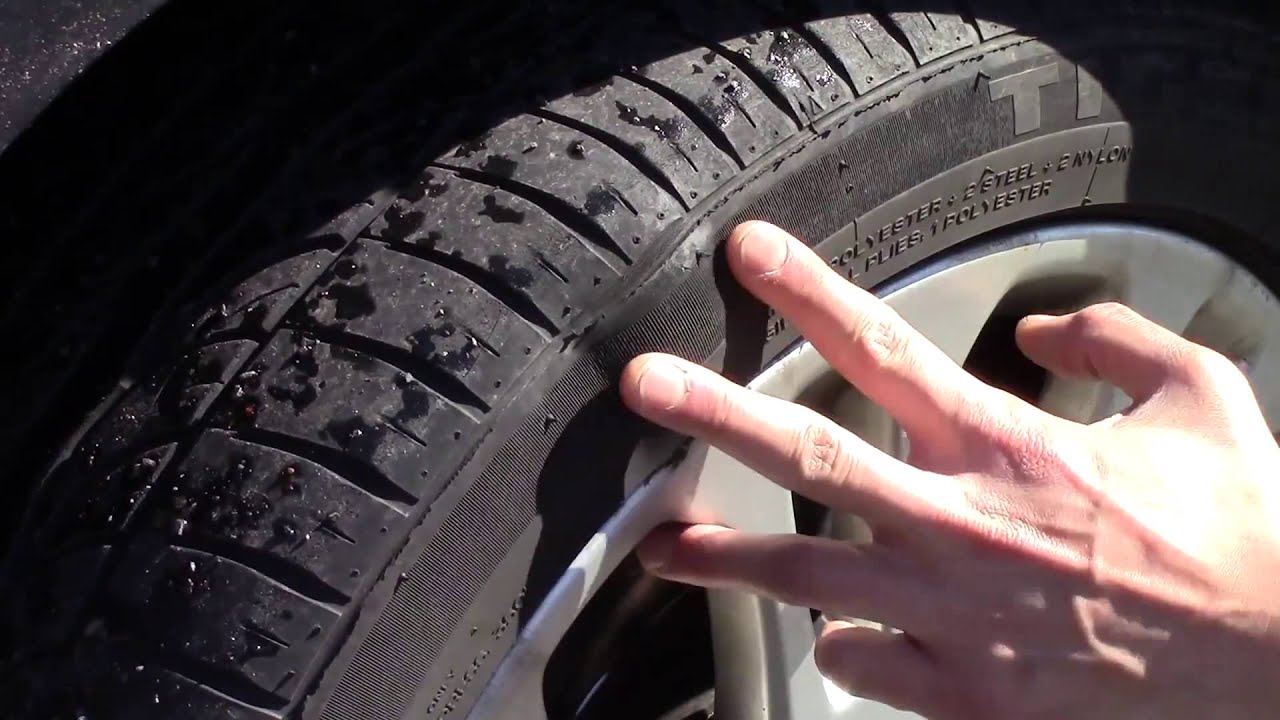
What Happens If You Keep Driving?
Driving with a bubble is tempting, especially if you’re far from home. But it’s a gamble. The tire can burst without warning. This is especially true on highways or in hot weather, when tire pressure increases.
Another insight: even if the bubble is small, the damage inside is significant. The tire’s structure is weakened and cannot support normal loads.
When To Seek Professional Help
If you’re unsure about the damage, or you suspect more than one tire is affected, visit a tire professional. They can inspect all tires for bubbles, cuts, and abnormal wear. Professionals use special tools to check the inner structure. If you need more information about tire safety, visit the NHTSA Tire Safety page.
Frequently Asked Questions
What Causes A Bubble On A Tire?
A bubble is usually caused by impact damage to the sidewall. Hitting a curb, pothole, or debris at high speed breaks the inner lining, letting air escape and form a bubble.
Is It Safe To Drive With A Tire Bubble?
No, it is not safe. The tire’s structure is weakened, and a blowout can happen at any time, especially at high speed.
Can A Tire Bubble Be Fixed?
A tire bubble cannot be repaired. The damage is inside the tire’s structure, not on the surface. Only replacing the tire is safe.
How Soon Should I Replace A Tire With A Bubble?
Replace the tire immediately. Do not drive unless you are going to the shop or using a spare.
Are Tire Bubbles Covered By Warranty?
Sometimes, if caused by a manufacturing defect. Most bubbles from impact damage are not covered. Always check your tire warranty details.
Handling a bubble on a tire is about safety, not convenience. If you see a bubble, act fast. Replace the tire, drive carefully, and inspect your tires regularly. Small steps can prevent big problems on the road.