If you own a 2014 Jeep Grand Cherokee, you know how important it is to keep your tires properly inflated for safety and fuel efficiency. Your vehicle’s Tire Pressure Monitoring System (TPMS) sensor plays a crucial role in this by constantly checking tire pressure and alerting you when it’s low.
But what happens when your TPMS sensor stops working or shows an error? You might wonder how to replace it, where to find a reliable sensor, and how much it will cost. You’ll discover everything you need to know about the 2014 Jeep Grand Cherokee TPMS sensor—from signs of failure to replacement options—so you can get back on the road with confidence and peace of mind.
Keep reading to protect your ride and save money on repairs.
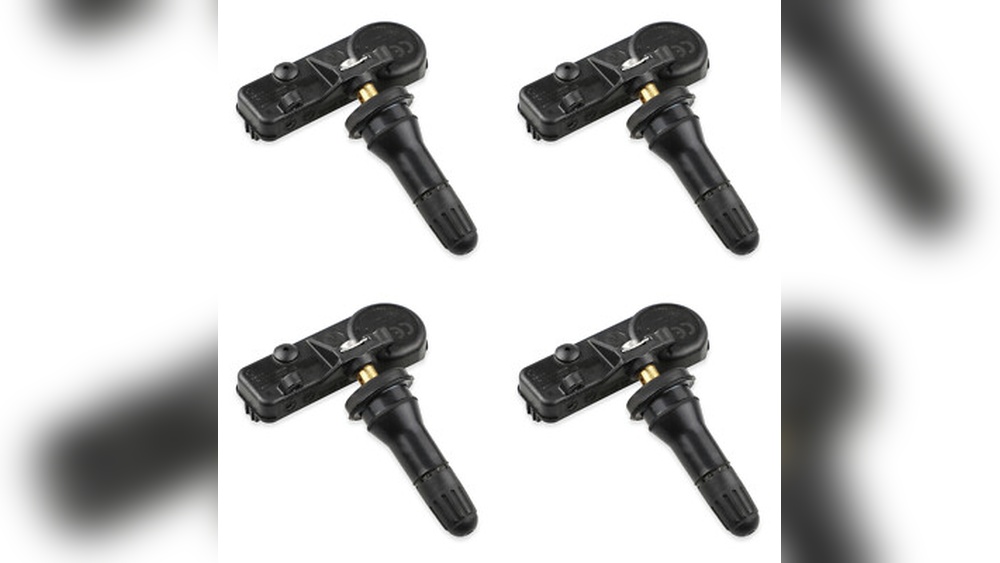
Jeep Grand Cherokee Tpms Basics
The 2014 Jeep Grand Cherokee relies on the TPMS sensor to keep tire pressure in check. Identifying issues with this sensor helps maintain safety and improves fuel efficiency. Ignoring sensor problems can lead to uneven tire wear or even accidents.
Knowing the signs of a faulty TPMS sensor and how to diagnose it allows timely repairs. This section covers the main symptoms and the tools used for diagnosis.
Signs Of A Faulty Sensor
The tire pressure warning light stays on even after inflating tires properly. Sudden blinking or flashing of the warning light also signals a sensor problem. Inconsistent or incorrect pressure readings on the dashboard show sensor failure. Tires may feel unusually soft or hard without reason. A sensor may fail due to battery life or physical damage from road debris.
Diagnostic Tools And Methods
Technicians use a TPMS scan tool to read sensor data quickly. This tool checks each sensor’s signal and battery status. Manual inspection involves checking tire pressure with a gauge to compare readings. Some advanced scanners can reset or reprogram sensors after replacement. Regular maintenance includes sensor cleaning to prevent dirt buildup affecting signals.
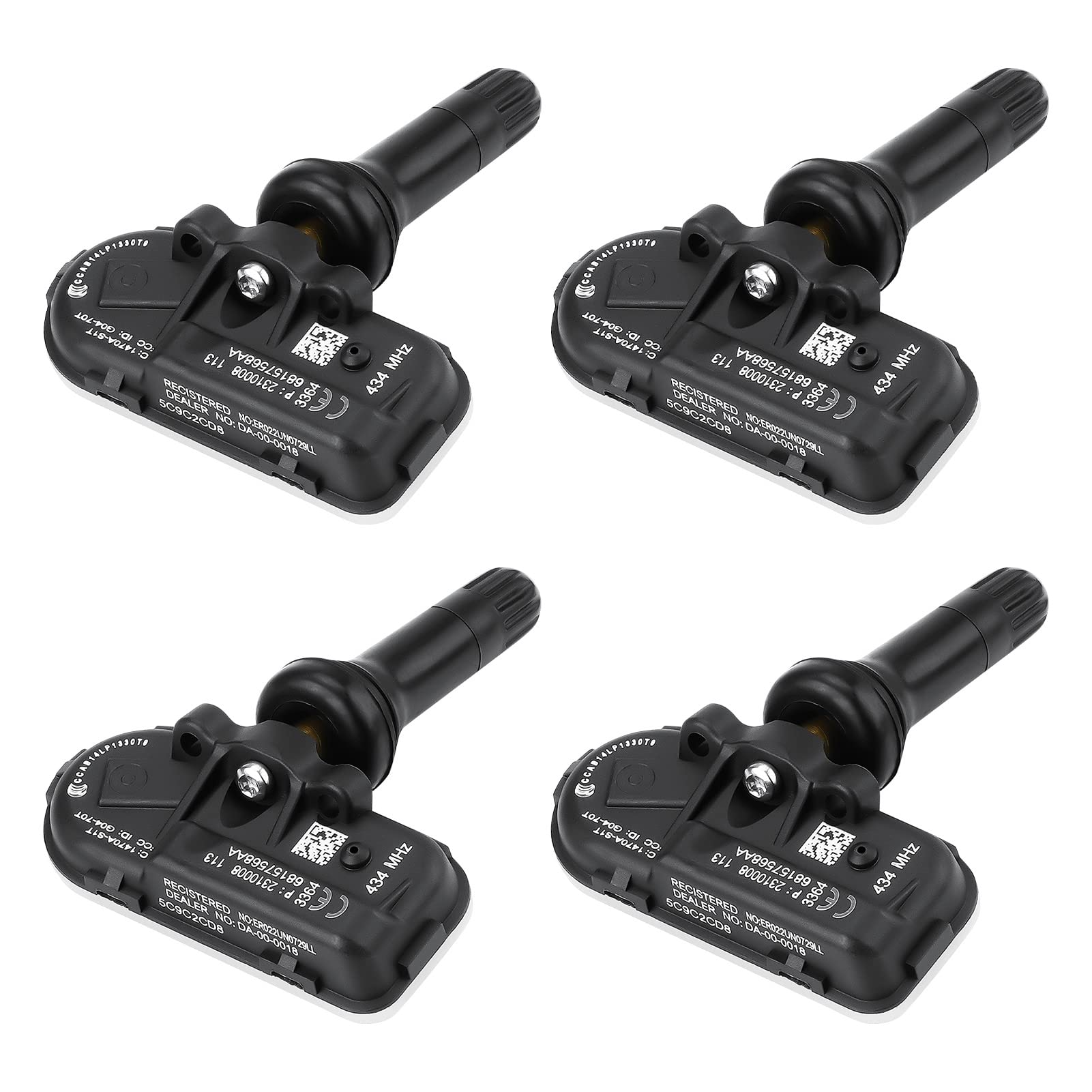
Identifying Tpms Sensor Problems
Replacing the TPMS sensor on a 2014 Jeep Grand Cherokee involves certain costs. These costs vary depending on the sensor type and where you buy it. Knowing the price range helps you budget properly for this essential maintenance.
The Tire Pressure Monitoring System (TPMS) sensor keeps your tires safe by monitoring pressure. When it fails, replacement is necessary for accurate readings. The cost includes parts and sometimes labor if you hire a mechanic.
Price Range For Sensors
TPMS sensors for the 2014 Jeep Grand Cherokee usually cost between $20 and $150 each. Basic sensors tend to be cheaper, around $20 to $50. OEM (Original Equipment Manufacturer) sensors are higher priced, from $70 to $150.
Prices vary due to brand, quality, and sensor features. Some advanced sensors may cost more but offer better accuracy. Sensors bought from dealers often cost more than those from online retailers.
Where To Buy Sensors
Many places sell TPMS sensors for the Jeep Grand Cherokee. Online stores like Amazon, eBay, and specialized auto parts websites offer various options. Prices online can be lower and include free shipping.
Local auto parts stores such as AutoZone or Advance Auto Parts carry sensors too. Dealers and service centers also sell OEM sensors but at higher prices. Choose a seller with good reviews and return policies.
Tpms Sensor Replacement Costs
Maintaining the TPMS sensors in your 2014 Jeep Grand Cherokee is essential for safety and tire health. These sensors monitor tire pressure and alert you to any issues. Proper care helps avoid sensor failure and keeps your vehicle running smoothly. Understanding how to maintain your TPMS sensors can save you money and prevent unexpected problems.
Battery Life And Sensor Durability
The TPMS sensors use small batteries that last several years. Over time, battery power declines and causes sensor failure. Sensor durability depends on the quality of materials and exposure to road conditions. Extreme weather, rough roads, and frequent tire changes can shorten sensor life. Regular checks help identify weak batteries before they stop working completely.
Tips To Extend Sensor Life
Keep your tires properly inflated to reduce sensor strain. Avoid hitting curbs or potholes that damage sensors. Have a professional check sensors during tire rotations. Replace sensor batteries promptly if alerts appear. Use compatible sensors and parts designed for your Jeep model. Proper installation and handling prevent sensor damage and ensure accurate readings.

Choosing The Right Tpms Sensor
Troubleshooting common issues with the 2014 Jeep Grand Cherokee TPMS sensor can save you time and money. This system helps monitor tire pressure and alerts you to potential problems. Understanding common faults helps maintain safety and performance.
Some issues may seem complex but often have simple fixes. Below are frequent problems and how to handle them effectively.
Sensor Not Relearning
The TPMS sensor may fail to relearn after tire changes or rotations. This happens when the vehicle cannot recognize the sensor’s signal. Resetting the sensor manually or using a TPMS tool can help. Make sure the key is in the ignition and the tires are inflated correctly. Check the vehicle’s manual for the relearn procedure. A weak sensor battery might also cause this problem. Replacing the sensor can resolve relearning failures.
False Low Pressure Warnings
Sometimes, the TPMS shows low pressure warnings even when tires are fine. This could be due to temperature changes affecting tire pressure. Cold weather lowers pressure and triggers alerts. Inspect tires for leaks or damage to rule out real issues. Resetting the TPMS after correcting tire pressure often clears false warnings. Dirt or debris on sensors can also cause wrong signals. Clean sensors carefully during tire maintenance to prevent errors.
Interference And Signal Problems
TPMS sensors communicate wirelessly with the vehicle. Signal interference can disrupt this communication. Nearby radio towers, electronic devices, or metal objects may block signals. This interference can cause delayed or missing alerts. Parking away from strong signal sources reduces issues. Make sure sensor batteries are fresh for strong transmissions. Professional scanning tools can detect and diagnose signal problems. Regular sensor checks help keep the system reliable and accurate.
Step-by-step Replacement Guide
Deciding between professional repair and DIY for your 2014 Jeep Grand Cherokee TPMS sensor can affect your vehicle’s safety and your wallet. The TPMS sensor keeps track of your tire pressure, helping prevent accidents and improve fuel efficiency. Choosing the right repair method depends on skill, tools, and time availability.
When To Seek Professional Help
Professional help is best if you lack experience or the right tools. TPMS sensors require programming and precise installation. A mistake can lead to inaccurate readings or sensor damage. Professionals ensure sensors work correctly after repair. Also, if the sensor is inside the tire, special equipment is needed to remove and reinstall the tire safely. Complex issues like sensor reprogramming are better handled by technicians. Choosing expert service can save you from future costly repairs.
Cost And Time Considerations
DIY repairs can save money but may take longer. You must buy the right sensor, tools, and follow instructions carefully. Mistakes can lead to buying parts again or vehicle damage. Professional repairs cost more upfront but save time and stress. Shops have the tools and knowledge for quick, accurate fixes. Consider your schedule and comfort level with car repairs before deciding. A fast professional repair might be worth the extra cost for peace of mind.

Frequently Asked Questions
The 2014 Jeep Grand Cherokee does not have a TPMS reset button. It resets automatically after driving.
Does Jeep Tpms Need To Be Programmed?
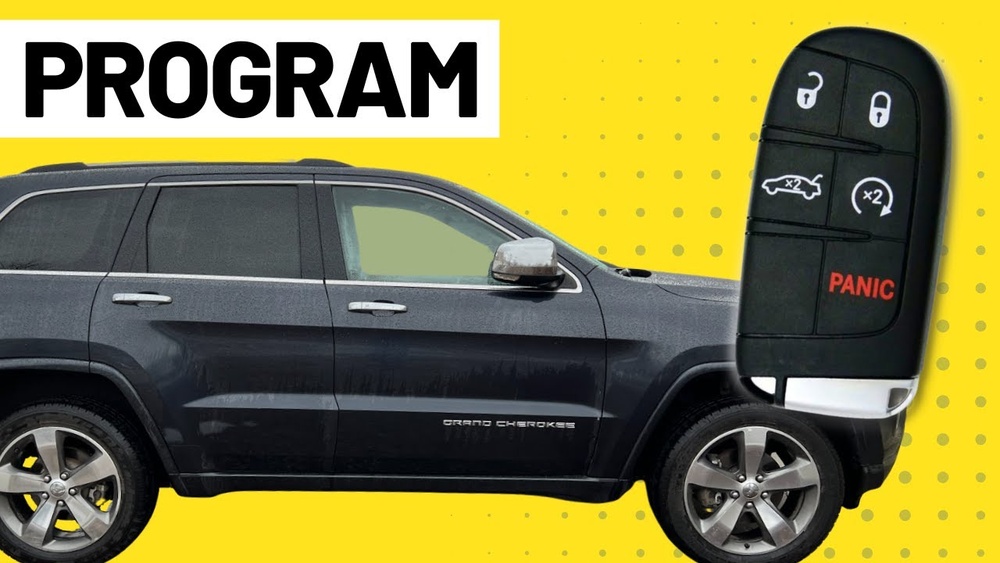
Jeep TPMS sensors usually need programming or relearning after installation to sync with the vehicle’s system. Use a TPMS tool or visit a dealer.
How Much Does It Cost To Replace A Tpms Sensor On A Jeep Grand Cherokee?
Replacing a TPMS sensor on a Jeep Grand Cherokee typically costs between $50 and $150. Prices vary by part brand and service fees.
How Do I Tell If My Tpms Sensor Is Bad?
A bad TPMS sensor triggers a warning light on your dashboard. Check for inconsistent or no pressure readings. Inspect for physical damage or battery failure.
Conclusion
Maintaining the 2014 Jeep Grand Cherokee TPMS sensor ensures safe driving. Proper tire pressure improves fuel efficiency and tire life. Replacing faulty sensors helps avoid costly repairs. Choose the right sensor for your Jeep model. Regular checks keep your TPMS working well.
Simple steps can prevent warning light issues. Stay alert to pressure changes on the road. Reliable sensors enhance your driving confidence. Keep your Jeep safe with proper TPMS care.