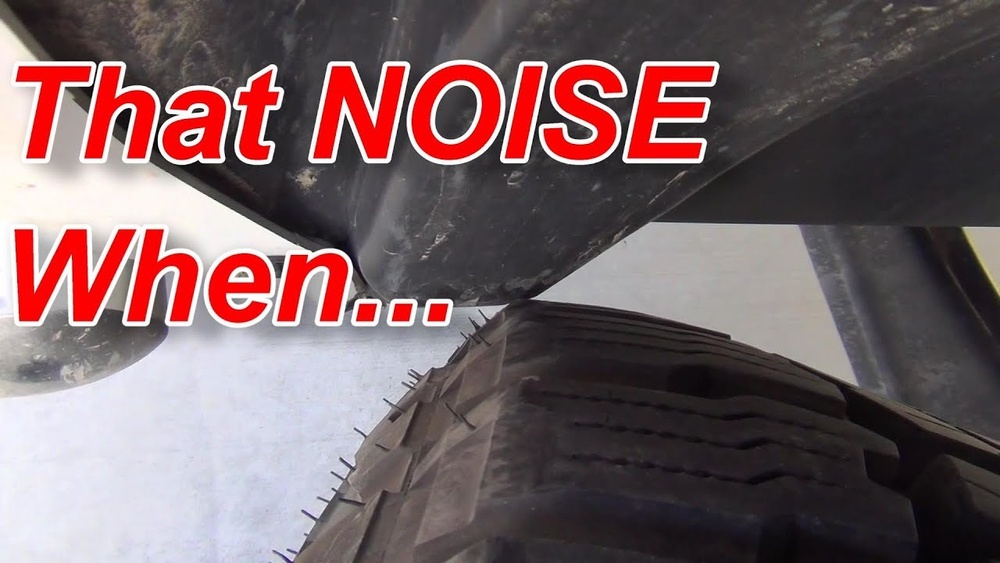
If your tires rub against the fender while driving, it’s more than just an annoying noise. This issue can damage your tires, fender, and suspension. It also reduces safety, especially at high speeds or when turning. Many drivers face this problem after changing wheels, lowering their car, or adding larger tires. Fixing tire rub isn’t always simple, but it’s possible with the right approach. Let’s explore how you can stop tires from rubbing fender, avoid extra repair costs, and drive safely.
Why Tires Rub The Fender
Tire rub happens when the tire’s edge touches the fender or wheel well. It’s common after installing wider tires, wheels with different offsets, or lowering your car’s suspension. Sometimes, old suspension parts or heavy loads cause the car to sit lower and increase rubbing.
Here are the main reasons:
- Incorrect tire size: Wider or taller tires can hit the fender.
- Wheel offset: Too much positive or negative offset changes tire position.
- Lowered suspension: Reduces wheel gap, making rub more likely.
- Damaged suspension: Worn shocks or springs let wheels move too much.
- Heavy loads: Extra weight lowers the car and increases rubbing.
Even small changes in tire or wheel size can cause issues. For example, switching from 205/55R16 to 225/45R17 tires may seem minor, but it can shift the tire’s position enough to rub.
How To Diagnose Tire Rub
To fix the problem, you need to know where and why the rub happens. Here’s how:
- Inspect tire edges: Look for scuffed or damaged rubber.
- Check fender liner: Search for scratches or worn spots.
- Test with heavy load: Add passengers or cargo and see if rubbing increases.
- Turn steering wheel: Rub often happens during turns.
- Measure wheel gap: Use a ruler to check distance between tire and fender.
You can also use a flashlight to spot marks inside the fender. If you find damage, note which tire and where it’s rubbing. This helps choose the best fix.

Solutions To Stop Tire Rub
Fixing tire rub depends on its cause. Below are practical solutions, along with a comparison of effectiveness and cost.
| Solution | Effectiveness | Estimated Cost |
|---|---|---|
| Change tire size | High | $300–$800 (set of tires) |
| Adjust wheel offset | Medium–High | $400–$1,200 (set of wheels) |
| Raise suspension | High | $100–$500 |
| Roll or trim fender | Medium | $100–$250 per fender |
| Replace worn suspension | Medium | $200–$800 |
Let’s look at each method in detail.
1. Change To Correct Tire Size
If your tires are too wide or tall, consider switching back to OEM size or a size recommended for your vehicle. Check your car’s manual or the sticker inside the driver’s door for correct specs. Even a small change can solve rubbing.
2. Adjust Wheel Offset
Wheel offset is how far the wheel’s center is from the hub. Too much positive offset pushes the wheel inward; too much negative offset pushes outward. If your wheels have the wrong offset, swap them for ones with the correct numbers.
Always measure offset before buying.
3. Raise Suspension
Lowered cars look sporty, but lowering often causes tires to rub. Raising suspension by 0.5–1 inch can make a big difference. You can use spacer kits, replace springs, or adjust coilovers. If your car is often loaded, stronger springs may help.
4. Roll Or Trim Fender
Fender rolling means bending the inner lip to create more space. Fender trimming involves cutting small sections. Both methods require skill and special tools. Most shops can do this for you. Rolling is less risky than trimming, but both should be done carefully.
5. Replace Worn Suspension Parts
Old shocks or springs let tires move too much. If your suspension feels soft or bouncy, replace worn parts. This restores ride height and keeps tires away from the fender.
6. Install Fender Flares
For off-road vehicles or trucks, fender flares add extra space and prevent rubbing. They also protect the body from mud and stones. Choose flares that match your tire size and style.
Common Mistakes When Fixing Tire Rub
Many drivers make these mistakes:
- Ignoring wheel offset: Focusing only on tire size misses a key factor.
- Cutting too much fender: Over-trimming can weaken the fender or look bad.
- Using cheap suspension parts: Low-quality parts may not solve the problem.
- Not checking load: Rubbing may only occur with extra passengers or cargo.
- Skipping alignment: After changing wheels or suspension, get a proper alignment.
A non-obvious insight: Sometimes tire rub is worse on one side because of uneven suspension wear or old bushings. Always check both sides.

Real-world Example: Tire Rub After Wheel Upgrade
A driver upgrades from 16-inch to 18-inch wheels with low-profile tires. The car looks better, but tires rub the fender during sharp turns. After checking, the new wheels have a different offset. Switching to wheels with the original offset and slightly narrower tires solves the issue without changing the suspension.
Here’s a quick comparison of tire widths and typical effects:
| Tire Width (mm) | Fender Clearance | Rubbing Risk |
|---|---|---|
| 195 | High | Low |
| 205 | Medium | Low |
| 225 | Low | Medium |
| 245 | Very Low | High |
Always match tire width to your vehicle’s specs.
Preventing Tire Rub In The Future
To avoid rubbing after repairs:
- Always double-check tire and wheel specs before buying.
- Test drive with a full load to check for rub.
- Keep suspension parts in good condition.
- Ask for expert advice if unsure.
If you plan to upgrade wheels or tires, use online calculators or consult resources like Tire Rack for accurate fitment information.
Frequently Asked Questions
What Is Wheel Offset And How Does It Affect Tire Rubbing?
Wheel offset is the distance from the wheel’s centerline to its mounting surface. Wrong offset pushes the wheel in or out, increasing rubbing. Always match offset to your vehicle’s specs.
Can I Fix Tire Rub Without Changing Tires Or Wheels?
Yes, sometimes raising the suspension or rolling the fender is enough. If rubbing is minor, these methods can solve the issue without expensive changes.
Is Fender Rolling Safe For All Cars?
Fender rolling works for most cars, but it’s risky on older or rusted fenders. Always use a professional to avoid paint damage or cracking.
Will Rubbing Damage My Tires?
Yes, rubbing can wear down tire edges, cause cuts, and reduce tire life. It can also damage the fender and suspension over time.
How Do I Know If My Suspension Is Causing Tire Rub?
If your car sits lower than usual or feels bouncy, worn suspension is likely. Inspect shocks and springs for leaks or damage.
Fixing tire rub is a smart move for safety and comfort. With careful diagnosis and the right solution, you can enjoy smooth driving and protect your car for years to come.