If you’ve noticed the check engine light flashing on your 2006 Jeep Commander, you probably have questions—and maybe a little worry, too. That flashing light isn’t just a warning; it’s a signal that something serious might be happening under the hood.
Ignoring it could lead to bigger, more expensive problems down the road. You’ll learn exactly what that flashing engine light means, the common causes behind it, and what steps you should take right now to protect your Jeep and your safety.
Keep reading to avoid costly repairs and get your Commander back on the road with confidence.
Causes Of Flashing Check Engine Light
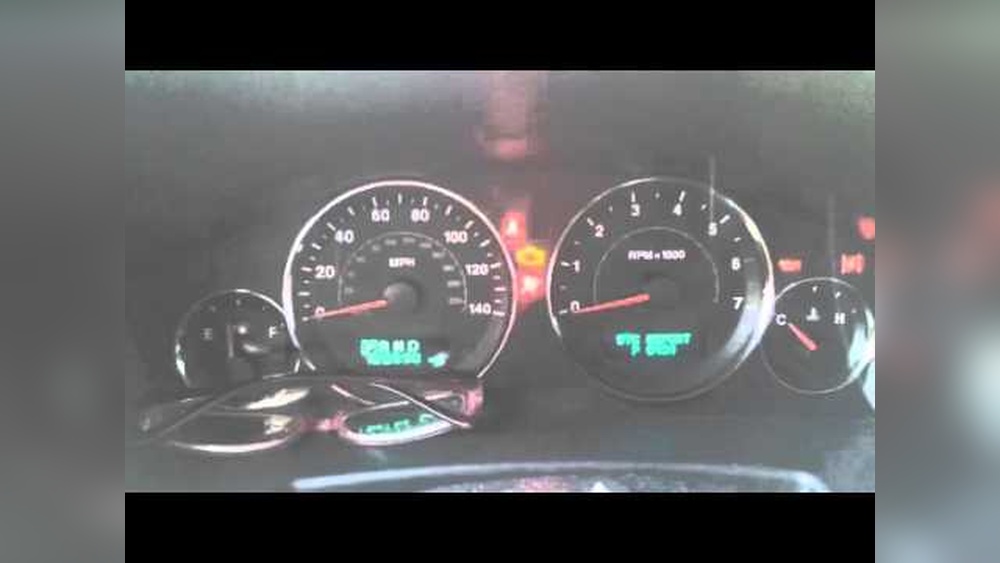
A flashing check engine light in a 2006 Jeep Commander signals a serious engine issue. This urgent warning means the engine is misfiring or another fault could cause damage. Identifying the cause quickly helps prevent costly repairs and keeps your Jeep running safely. Several common problems trigger this flashing light.
Engine Misfire
An engine misfire happens when the fuel and air mixture does not ignite properly. This can cause rough running, loss of power, and increased emissions. Misfires often cause the check engine light to flash as a warning. Ignoring misfires can damage the engine over time.
Faulty Spark Plugs And Wires
Spark plugs ignite the fuel in the engine cylinders. Worn or damaged spark plugs and wires reduce ignition efficiency. This leads to misfires, poor performance, and the flashing light. Replacing spark plugs and wires often solves this problem.
Bad Fuel Quality
Using low-quality or contaminated fuel can disrupt engine combustion. Poor fuel causes rough idling, hesitation, and misfires. The check engine light may flash to alert you of this issue. Filling up with quality fuel prevents these problems.
Oxygen Sensor Issues
The oxygen sensor measures exhaust gases to help control fuel mixture. A faulty sensor sends wrong data to the engine control unit. This can cause poor fuel economy, increased emissions, and engine misfires. The flashing light warns of oxygen sensor faults.
Mass Air Flow Sensor Problems
The mass air flow sensor measures air entering the engine. If dirty or failing, it sends incorrect signals to the engine computer. This causes rough running and misfires, triggering the flashing check engine light. Cleaning or replacing the sensor may fix the issue.
Clogged Catalytic Converter
A clogged catalytic converter restricts exhaust flow and reduces engine performance. This can cause overheating and misfires. The check engine light may flash to signal this serious problem. Timely repairs prevent engine damage and restore performance.
Sensor Faults And Oil Level Errors
Faulty sensors or incorrect oil levels can confuse the engine control system. This might lead to false warnings or real engine trouble. The flashing check engine light could mean sensor errors or oil problems. Checking sensors and oil regularly avoids these issues.
Signs And Risks Of Ignoring The Light
The 2006 Jeep Commander’s check engine light flashing signals an urgent issue. Ignoring this warning can lead to serious troubles. The flashing light means the engine is misfiring or something critical is wrong. Recognizing the signs and understanding the risks helps protect your Jeep and safety on the road.
Engine Performance Issues
A flashing check engine light often means your engine is misfiring. This causes rough idling and loss of power. You may notice hesitation when accelerating or a sudden drop in speed. Poor fuel economy is common too. Engine performance suffers and driving becomes less smooth.
Potential Engine Damage
Continuing to drive with a flashing light risks severe engine damage. Unburned fuel can enter the exhaust system, harming parts like the catalytic converter. This damage can be costly to repair. Ignoring the light may lead to a complete engine failure. Early attention prevents expensive fixes later.
Safety Concerns While Driving
Driving with a flashing check engine light creates safety hazards. Engine misfires can cause sudden power loss. This might lead to dangerous situations on highways or busy streets. The vehicle could stall unexpectedly, risking accidents. Addressing the issue helps keep you and others safe.
Diagnosing The Issue
When the check engine light flashes on a 2006 Jeep Commander, it signals a serious engine problem. Diagnosing the issue quickly helps prevent costly repairs. Start with simple checks before moving to advanced tools. Understanding the cause saves time and money.
Reading Diagnostic Trouble Codes
Use an OBD-II scanner to read trouble codes stored in your Jeep’s computer. These codes point to the exact problem area. Note the code number and look it up online or in a repair manual. This step provides a clear starting point for fixing the issue.
Visual Inspection Tips
Check under the hood for obvious problems. Look for loose or damaged wires, cracked spark plugs, and fluid leaks. Inspect the fuel injectors and ignition coils for dirt or damage. A quick visual check can reveal simple faults causing the flashing light.
When To Use A Scanner
A scanner is necessary when the problem is not visible. It reads live data and detects misfires or sensor failures. Use it to reset the check engine light after repairs. Frequent flashing means immediate scanning is critical to avoid engine damage.
Step-by-step Fixes
When the check engine light flashes on your 2006 Jeep Commander, act fast. This warning signals a serious engine issue. Follow these step-by-step fixes to address common causes. Each step targets a key part of your engine system. Fixing these can stop the flashing light and protect your engine.
Replacing Spark Plugs And Wires
Worn spark plugs or damaged wires cause engine misfires. Remove old spark plugs carefully. Install new plugs that fit your Jeep model. Check spark plug wires for cracks or wear. Replace any faulty wires to ensure a strong spark. Proper spark delivery helps the engine run smoothly.
Cleaning Or Replacing Fuel Injectors
Dirty fuel injectors disrupt fuel flow and cause misfires. Use a fuel injector cleaner to remove buildup. If cleaning does not help, replace faulty injectors. Clean injectors improve fuel spray and engine performance. This reduces unburned fuel that triggers the light.
Fuel System Maintenance
Check the fuel filter and fuel pump regularly. A clogged filter limits fuel supply to the engine. Replace old fuel filters to keep fuel flowing freely. Test the fuel pump pressure for proper operation. Maintaining the fuel system helps prevent engine trouble.
Sensor Testing And Replacement
Faulty sensors send wrong data to the engine computer. Test sensors like oxygen sensors and mass airflow sensors. Use a diagnostic tool to read sensor output. Replace any sensor that shows errors or poor performance. Accurate sensors help the engine control system work right.
Catalytic Converter Cleaning Or Repair
A clogged catalytic converter blocks exhaust flow and causes engine issues. Inspect the converter for damage or buildup. Use a catalytic converter cleaner to remove deposits. Replace the converter if cleaning does not restore function. A clean converter reduces emissions and engine strain.
Preventive Maintenance Tips
Maintaining your 2006 Jeep Commander can prevent many engine troubles. Regular care helps avoid the check engine light flashing. It keeps your vehicle running smoothly and safely. These preventive maintenance tips will help you protect your Jeep and save on costly repairs.
Regular Tune-ups
Schedule tune-ups every 12,000 miles or as recommended. A tune-up checks spark plugs, wires, and filters. It keeps the engine running efficiently. Worn spark plugs can cause misfires and trigger the check engine light. Regular tune-ups catch problems early before they worsen.
Using Quality Fuel
Always use high-quality fuel from trusted stations. Poor fuel can clog injectors and harm the engine. Low-grade fuel may cause rough idling and misfires. Quality fuel supports clean combustion and better performance. It reduces the chance of a flashing check engine light.
Routine Sensor Checks
Sensors monitor engine health and emissions. Faulty sensors often cause the check engine light to flash. Inspect oxygen and mass airflow sensors regularly. Replace damaged sensors quickly to prevent engine issues. Routine checks keep your Jeep’s systems working well.
Timely Oil Changes
Change engine oil every 3,000 to 5,000 miles or as advised. Clean oil lubricates engine parts and prevents wear. Old oil can cause engine overheating and damage. Timely oil changes improve engine life and performance. They also reduce the risk of sudden engine problems.
When To Seek Professional Help
The check engine light flashing on a 2006 Jeep Commander is a sign of a serious issue. Knowing when to seek professional help can save your vehicle from further damage. It also ensures your safety on the road. This section explains key moments when expert attention is necessary.
Persistent Flashing Light
If the check engine light keeps flashing after you restart the Jeep, do not ignore it. A persistent flashing light means the problem is ongoing. Continuing to drive can cause severe engine damage. Visit a mechanic as soon as possible for diagnosis.
Complex Engine Issues
Some engine problems require special tools and knowledge. Issues like misfires, sensor failures, or fuel system faults are complex. Mechanics can use scanners to read error codes. They identify the exact cause and fix it correctly. Avoid guessing or DIY fixes for these problems.
Safety Precautions
A flashing check engine light may indicate unsafe driving conditions. Engine misfires can reduce power or cause stalling. This can be dangerous on highways or in traffic. Pull over safely and turn off the engine if the light flashes suddenly. Call for professional help or roadside assistance.
Frequently Asked Questions
Why Is The Check Engine Light Flashing On My Jeep Commander?
A flashing check engine light on your Jeep Commander signals a severe engine misfire. Stop driving immediately to prevent damage. Have a mechanic inspect spark plugs, fuel injectors, or sensors quickly.
What Is The Most Common Cause Of Flashing A Check Engine Light?
The most common cause of a flashing check engine light is an engine misfire. It often results from faulty spark plugs or ignition coils. This issue demands immediate attention to prevent severe engine damage.
How To Clear A Cel Without A Scanner?
To clear a check engine light without a scanner, disconnect the car battery for 15 minutes. Reconnect it to reset the system. This may erase the light temporarily but won’t fix underlying issues. Drive the car afterward to see if the light returns.
What Does A Blinking Check Engine Light Mean On A Jeep?
A blinking check engine light on a Jeep signals a severe engine misfire. Stop driving immediately to prevent damage. Have a mechanic inspect the spark plugs, fuel injectors, or sensors promptly.
Conclusion
A flashing check engine light on your 2006 Jeep Commander signals a serious issue. Stop driving right away to avoid engine damage. Common causes include misfires from spark plugs or fuel problems. Getting a quick diagnosis helps protect your vehicle and wallet.
Regular maintenance can prevent many issues that trigger this warning. Stay alert and act fast to keep your Jeep running smoothly and safely.