Getting the most out of your 2021 Jeep means understanding how to use its 4-wheel drive system. Whether you’re facing snow, mud, or rocky trails, knowing how to properly engage 4WD keeps you safe and protects your vehicle. Many new Jeep owners find 4WD confusing, especially with all the new technology. But with a little guidance, you can switch between drive modes with confidence and avoid costly mistakes.
This guide explains step-by-step how to put your 2021 Jeep in 4-wheel drive, covering all four key systems: 2H, 4H, 4L, and Auto. We’ll break down what each mode does, when to use it, and how to shift smoothly. You’ll also learn how to avoid common errors that can damage your Jeep. If you want to get the best performance—on or off road—read on.
Understanding Jeep’s 4-wheel Drive Modes
Jeep’s 4WD systems can seem complex at first, especially since different models may have slightly different levers or switches. But most 2021 Jeeps, like the Wrangler, Gladiator, and Grand Cherokee, use one of these four modes:
- 2H (Two-Wheel Drive High)
- 4H (Four-Wheel Drive High)
- 4L (Four-Wheel Drive Low)
- Auto (Automatic 4WD)
Each mode serves a specific purpose. Using the right one matters for safety and vehicle health.
| Mode | Best For | Max Speed |
|---|---|---|
| 2H | Normal, dry roads | Highway speeds |
| 4H | Snow, rain, light off-road | Up to 55 mph |
| 4L | Deep mud, rocks, steep hills | Under 25 mph |
| Auto | Mixed conditions | Highway speeds |
How To Engage 2h (two-wheel Drive High)
2H is the default mode for most driving. In 2H, only the rear wheels get power. This provides the best fuel economy and smooth handling on dry pavement.
To use 2H:
- Make sure your Jeep is at a complete stop or moving straight at a low speed.
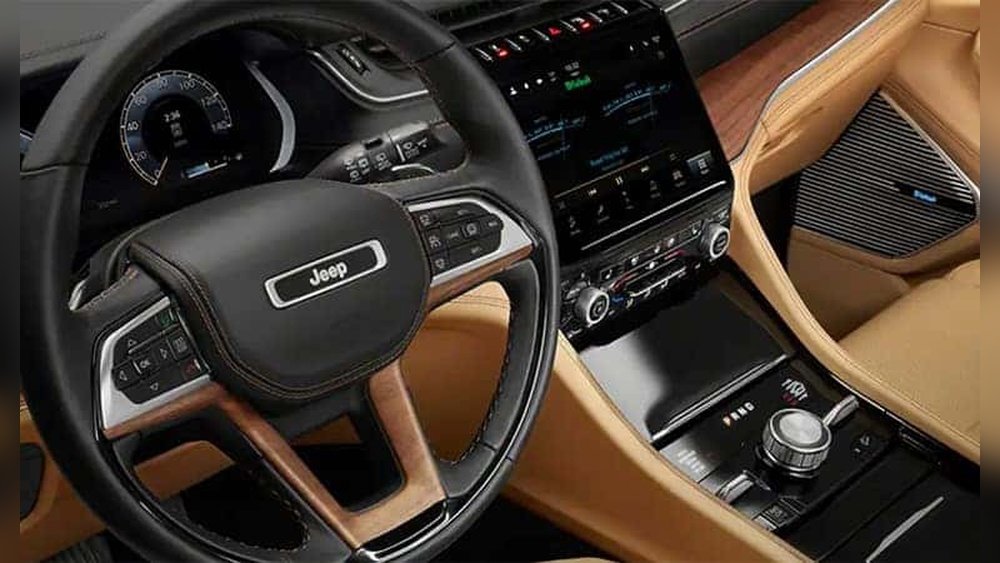
- Locate the 4WD shifter or knob (usually near the gear selector).
- Move or turn it to 2H.
You’ll see a 2H indicator on your dashboard. Most drivers keep their Jeep in 2H unless road conditions change.
Insight: Many beginners think 4WD is better all the time. But on dry roads, 2H is safer and prevents extra wear on your drivetrain.
How To Shift To 4h (four-wheel Drive High)
4H sends power to all four wheels, improving traction in slippery conditions like snow, ice, or gravel. It’s the mode you’ll use most for winter or off-pavement adventures.
Steps to switch to 4H:
- Slow down to below 55 mph.
- While moving, shift the 4WD lever or knob to 4H—you do not need to stop or shift to neutral.
- Check for the 4H light on your dash.
Switching between 2H and 4H is called “shift-on-the-fly.” You can do it while driving slowly and straight. Avoid sharp turns while shifting.
Tip: If the 4H light flashes and doesn’t stay on, gently move the Jeep forward or backward a bit to engage the gears.
How To Switch To 4l (four-wheel Drive Low)
4L is for extreme conditions—deep mud, sand, snow, steep hills, or towing heavy loads. It gives your Jeep maximum torque but limits speed.
How to engage 4L:
- Bring your Jeep to a complete stop.
- Shift the transmission into neutral (N).
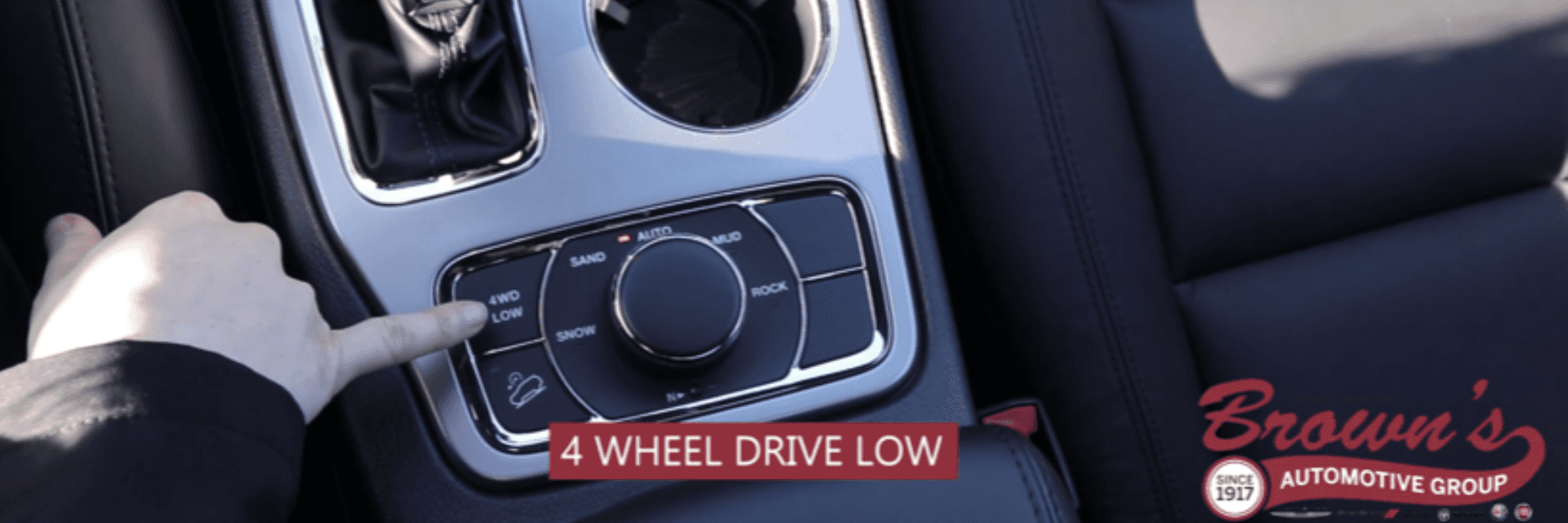
- Firmly move the 4WD lever or turn the knob to 4L.
- Wait for the 4L indicator to appear, then shift back to drive or first gear and continue.
Important: Never shift to 4L while moving. Doing so can damage the transfer case.
Non-obvious insight: Some drivers forget to return to neutral before shifting to 4L. This is the number one cause of failed 4L engagement.
How To Use Auto (automatic 4wd)
Some 2021 Jeep models (like the Grand Cherokee) have an Auto 4WD setting. In Auto, the Jeep decides when to send power to the front or rear wheels, depending on traction needs.
To use Auto mode:
- Shift the 4WD control to Auto—you can do this at any speed.
- The system will adjust automatically, so you don’t need to do anything else.
This is a great option for mixed conditions, like roads that go from dry to icy without warning.
| Mode | Driver Input Needed? | Best For |
|---|---|---|
| 2H | Manual | Dry pavement |
| 4H | Manual | Slippery roads |
| 4L | Manual | Heavy off-road |
| Auto | Automatic | Changing conditions |
Common Mistakes And Tips
Many Jeep owners make errors that can lead to expensive repairs or poor performance. Here are some things to watch out for:
- Avoid using 4H or 4L on dry pavement. This can cause “driveline binding,” making your Jeep harder to steer and damaging components.
- Don’t shift to 4L while moving. The gears need to be stationary to mesh properly.
- Remember to switch back to 2H after leaving mud or snow.
- If your Jeep has Selec-Trac or Quadra-Trac, read the manual for special instructions, as some systems operate differently.
Practical tip: Always practice shifting between modes in a safe, empty parking lot before you need it in real conditions.

When To Use Each 4wd Mode
Choosing the right mode depends on the terrain and weather:
| Condition | Recommended Mode |
|---|---|
| Dry highways | 2H |
| Wet or icy roads | 4H or Auto |
| Deep mud, sand, rocks | 4L |
| Switching surfaces | Auto |
Frequently Asked Questions
How Do I Know If My Jeep Is In 4wd?
Look for the 4H or 4L light on your dashboard. You may also feel a difference in how the Jeep steers or accelerates.
Can I Switch From 2h To 4h While Driving?
Yes, you can shift from 2H to 4H while moving slowly and driving straight. There’s no need to stop or shift to neutral.
What Happens If I Use 4wd On Dry Pavement?
Using 4WD on dry roads can cause driveline binding. This puts stress on your Jeep’s drivetrain and can lead to damage.
Is Auto Mode The Same As All-wheel Drive?
Auto mode acts like all-wheel drive—it automatically shifts power where it’s needed. But it’s not the same as a full-time AWD system.
Where Can I Find More Details About My Jeep’s 4wd System?
You can check your owner’s manual or visit the official Jeep owner’s site for model-specific guidance.
Getting comfortable with your Jeep’s 4WD system takes a little practice, but the benefits are huge—better safety, performance, and fun. Take time to learn your Jeep’s controls before you need them, and you’ll be ready for whatever the road (or trail) brings.