When temperatures drop in winter, many drivers find that their windshield washer fluid stops working. Instead of spraying, the nozzles freeze or the fluid in the reservoir turns to slush. This can be dangerous because you rely on clear visibility to drive safely. The good news? With the right steps, you can keep your washer fluid from freezing, even in the coldest months.
Why Washer Fluid Freezes
Most windshield washer fluids are a mix of water and alcohol or other solvents. The alcohol lowers the freezing point, but not all fluids are made for extreme cold. If you use plain water or a summer blend, it can freeze at 32°F (0°C) or a bit lower. Some winter formulas, however, are rated for -20°F (-29°C) or even colder. Always check the label before buying.
How To Prevent Windshield Washer Fluid From Freezing
1. Use Winter-grade Washer Fluid
Choose a winter-rated fluid with a low freezing point. These are clearly labeled with temperatures like “-20°F” or “-30°F.” Avoid all-season or summer blends when temperatures might drop below freezing.
2. Empty And Refill The Reservoir
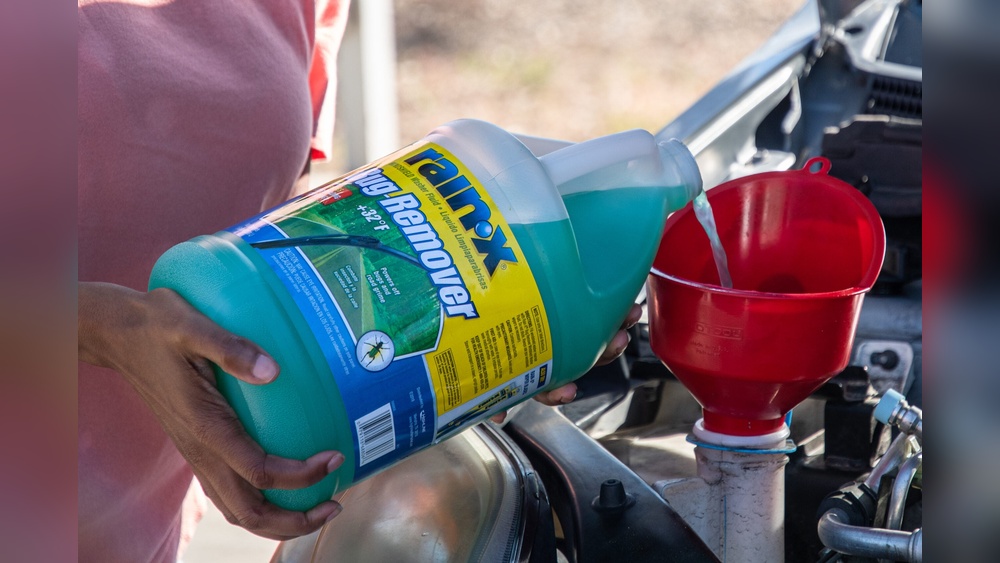
If your car already has summer washer fluid, it’s best to drain the reservoir before winter arrives. You can do this by running the washers until empty, then refilling with a winter formula. Mixing fluids can raise the freezing point and make them less effective.
3. Mix With Isopropyl Alcohol
In a pinch, you can add isopropyl alcohol (rubbing alcohol) to your washer fluid. A good ratio is about one part alcohol to two parts fluid. This drops the freezing point, but don’t overdo it—too much alcohol can damage paint or plastic.
4. Park In A Warmer Spot
If possible, park your car in a garage or covered area. Even a few degrees warmer can help keep the fluid from freezing. If you must park outside, try to avoid windy spots, which cool your car faster.
5. Insulate The Washer Fluid Reservoir
Some drivers wrap the reservoir with insulating material like foam or bubble wrap. This slows down heat loss and can make a small difference, especially if your car is parked for a long time.
6. Run The Washers Regularly
Operate your washers for a few seconds each time you drive. Moving fluid through the system helps prevent it from freezing in the lines or nozzles.
7. Use Additives
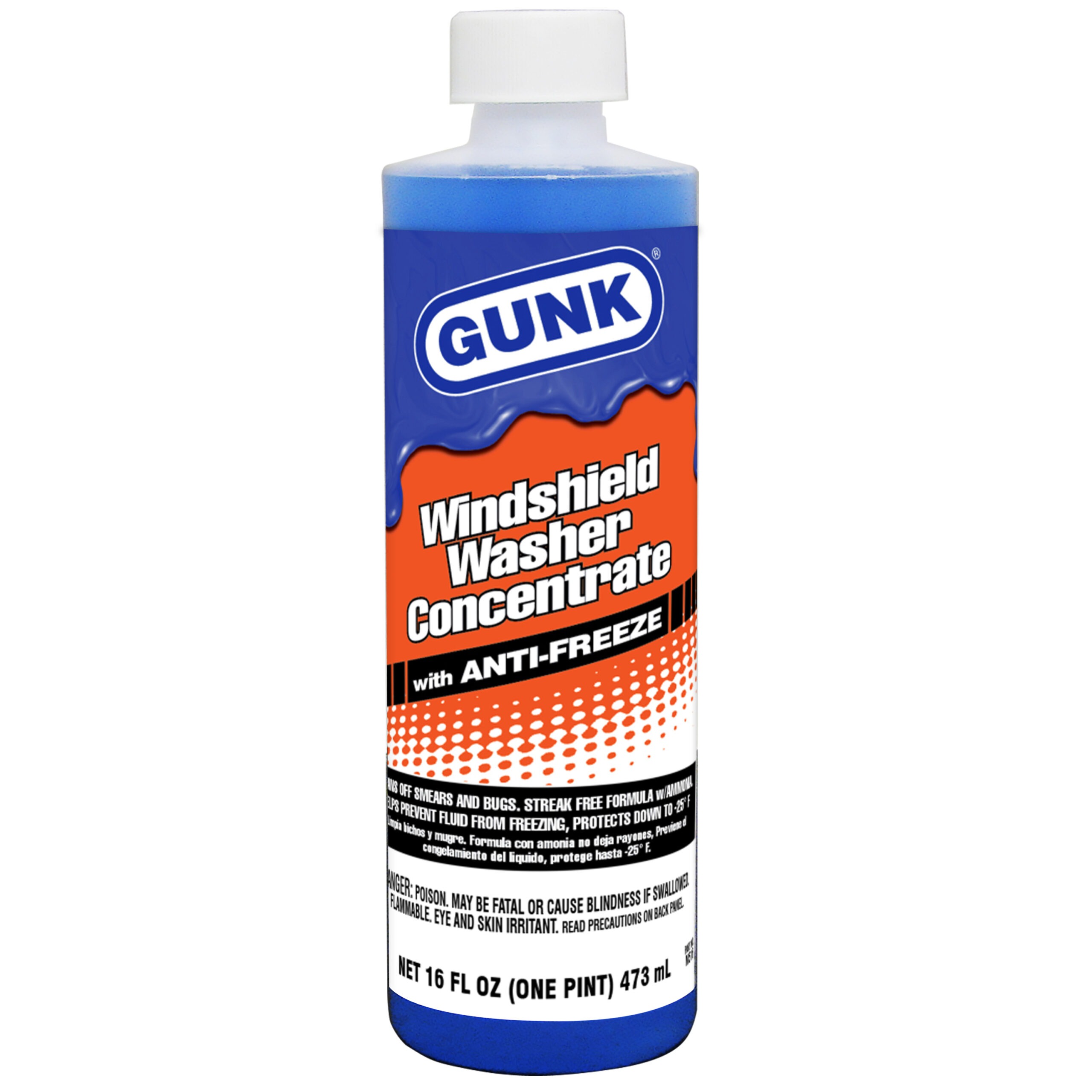
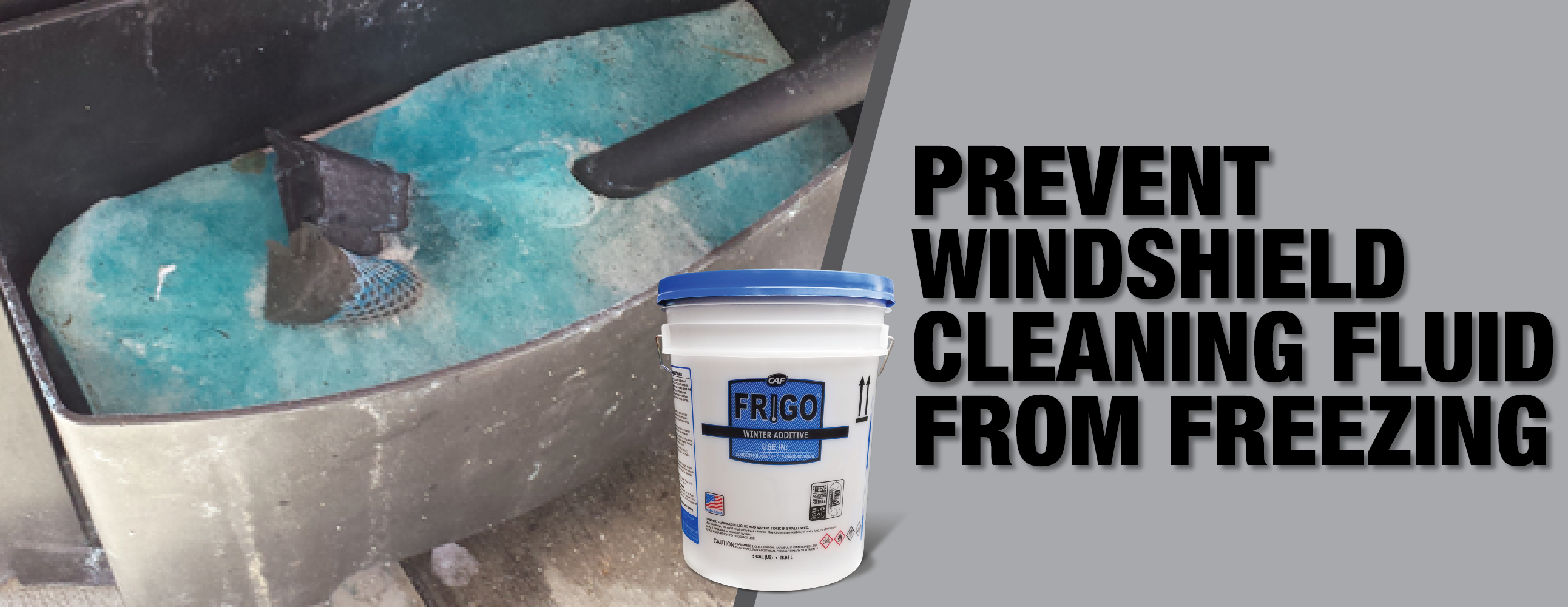
Special washer fluid additives can be poured into your reservoir to lower the freezing point. These are available at auto parts stores and are usually safe for your car’s system.
Comparing Washer Fluid Types
Here’s a look at how different fluids perform in winter:
| Type | Freezing Point | Best For |
|---|---|---|
| Summer Blend | 32°F (0°C) | Warm climates |
| All-Season | 20°F (-6°C) | Mild winters |
| Winter Blend | -20°F (-29°C) or lower | Cold climates |
Winter blends are the safest choice for most areas with snow and ice.
What Happens If Washer Fluid Freezes?
Frozen washer fluid can lead to:
- Clogged lines and nozzles
- Cracked reservoir (if ice expands)
- Reduced visibility when driving
If you notice your washers aren’t working in the cold, don’t keep spraying. This can burn out the washer pump.
.jpeg)
Common Mistakes To Avoid
- Using plain water — It freezes quickly and can damage the system.
- Mixing incompatible fluids — Always use one type at a time.
- Ignoring the forecast — Winter can come early; switch fluids before the first freeze.
- Filling the reservoir completely — Leave some space for expansion if the fluid freezes.
Diy Washer Fluid Recipes: Are They Safe?
Some drivers make their own washer fluid to save money. A popular recipe is:
- 1 quart water
- 1 cup isopropyl alcohol (70% or higher)
- 1 tablespoon dish soap
Mix well and pour into the reservoir. However, homemade blends don’t always offer the same freeze protection as store-bought fluids. Also, too much soap can leave streaks or clog nozzles. Use DIY fluid only in mild conditions.
How To Thaw Frozen Washer Fluid
If your fluid freezes, here’s what to do:
- Move the car to a heated garage if possible.
- Wait several hours for the ice to melt.
- Drain any remaining fluid and refill with a winter blend.
- Check for damage—look for leaks or cracks around the reservoir and hoses.
Never try to thaw with boiling water or by adding hot objects; this can crack plastic parts.
Extra Tips For Cold Climates
- Replace washer fluid before the first major freeze—don’t wait for problems.
- Carry an extra bottle of winter fluid in your trunk.
- Check nozzles and lines for blockages after snowstorms.
Here’s a quick comparison of store-bought and homemade washer fluids:
| Washer Fluid Type | Freeze Protection | Cost | Safety |
|---|---|---|---|
| Store-Bought Winter Fluid | Excellent | Moderate | High |
| Homemade Mix | Varies | Low | Medium |
| Plain Water | Poor | Low | Low |
Non-obvious Insights
- Even a small amount of summer washer fluid left in your system can dilute winter blends and reduce their freeze protection. Always empty the reservoir as much as possible before switching.
- Washer fluid can freeze in the nozzle tips before it freezes in the reservoir. If you notice spray but no fluid reaching the windshield, try gently warming the nozzles with your hand or a warm (not hot) cloth.
When To Seek Professional Help
If you suspect damage to your washer system—like leaks after freezing—have a mechanic check your car. Small cracks in the reservoir can worsen with time, leading to more expensive repairs.
Environmental Considerations
Some winter washer fluids contain methanol, which is toxic. Always handle washer fluid carefully and avoid spills on the ground. Never use engine antifreeze in your washer system—it’s more toxic and can damage paint.
For more information on car winterization and fluid types, see Wikipedia.
Frequently Asked Questions
How Cold Can Winter Washer Fluid Go Before Freezing?
Most winter washer fluids are rated to -20°F (-29°C) or lower. Check the label for the exact temperature.
Can I Use Vinegar In My Washer Fluid?
It’s not recommended. Vinegar can damage rubber seals and doesn’t offer much freeze protection.
Is It Safe To Mix Washer Fluid Brands?
Yes, but mixing summer and winter blends can lower freeze protection. Try to stick with one type, especially in winter.
What If My Washer Fluid Is Already Frozen?
Move the car to a warmer place and let the system thaw. Then, drain and refill with winter fluid.
How Often Should I Check My Washer Fluid?
Check your washer fluid level at least once a month in winter, or more often if you drive in snow or use washers frequently.
A few careful steps can keep your windshield washer fluid working all winter. Make the switch before cold hits, and you’ll stay safe with a clear view—no matter how low the temperature drops.