Removing the Freedom Panels from a Jeep Wrangler is a common task for owners who want fresh air and sunshine. These panels, also called “roof panels,” are part of the modular hardtop system. Taking them off isn’t hard, but it does require a bit of knowledge and care. Whether you’re a new Jeep owner or just haven’t tried removing them before, learning the right steps can make the process smooth and safe. This guide will show you how to remove Freedom Panels confidently, avoid mistakes, and protect your vehicle.
What Are Jeep Wrangler Freedom Panels?
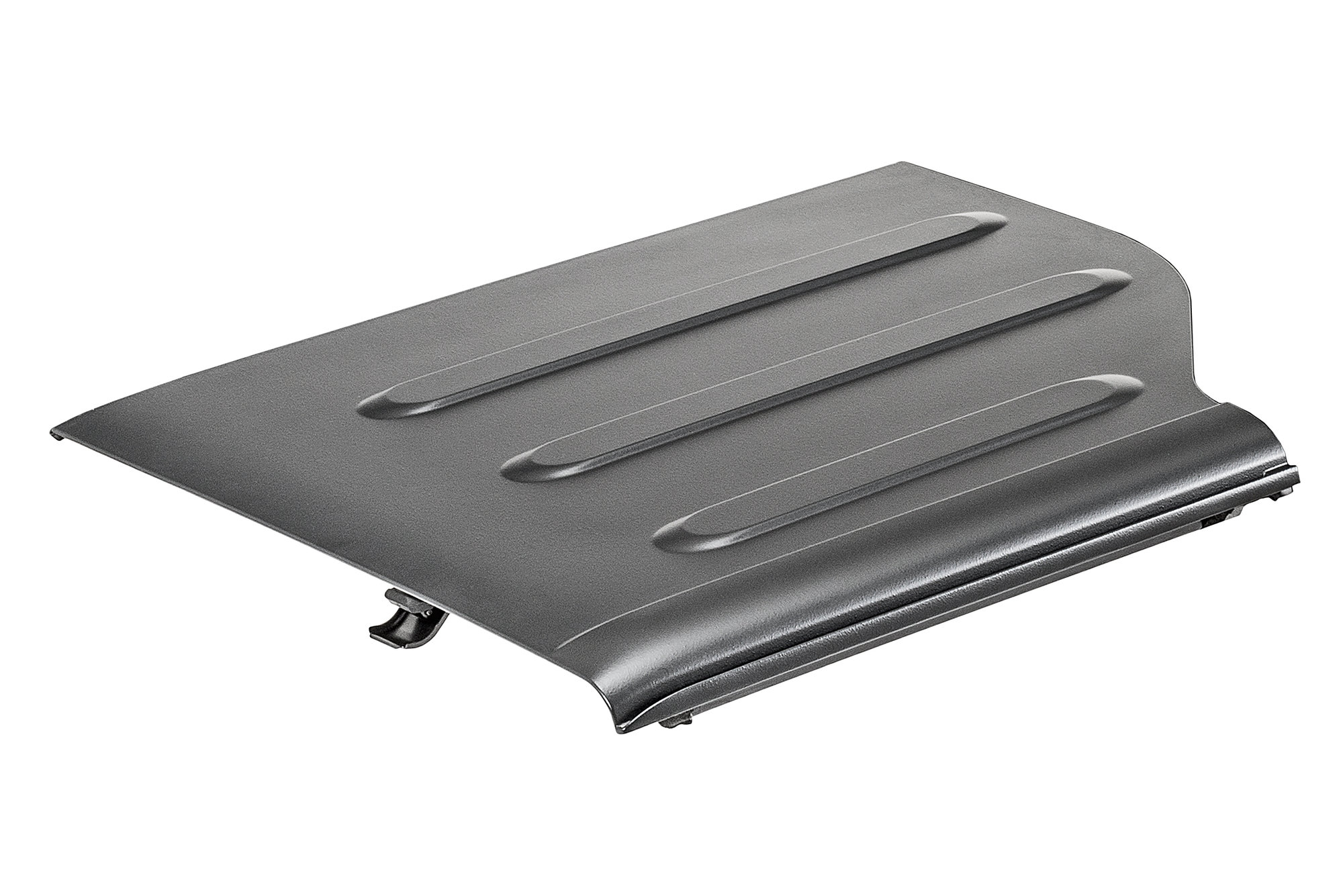
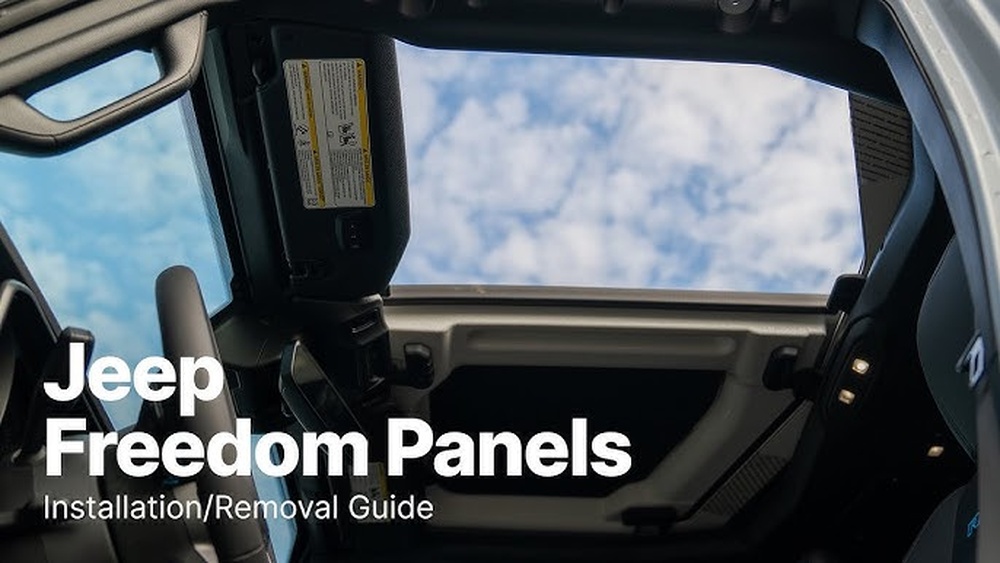
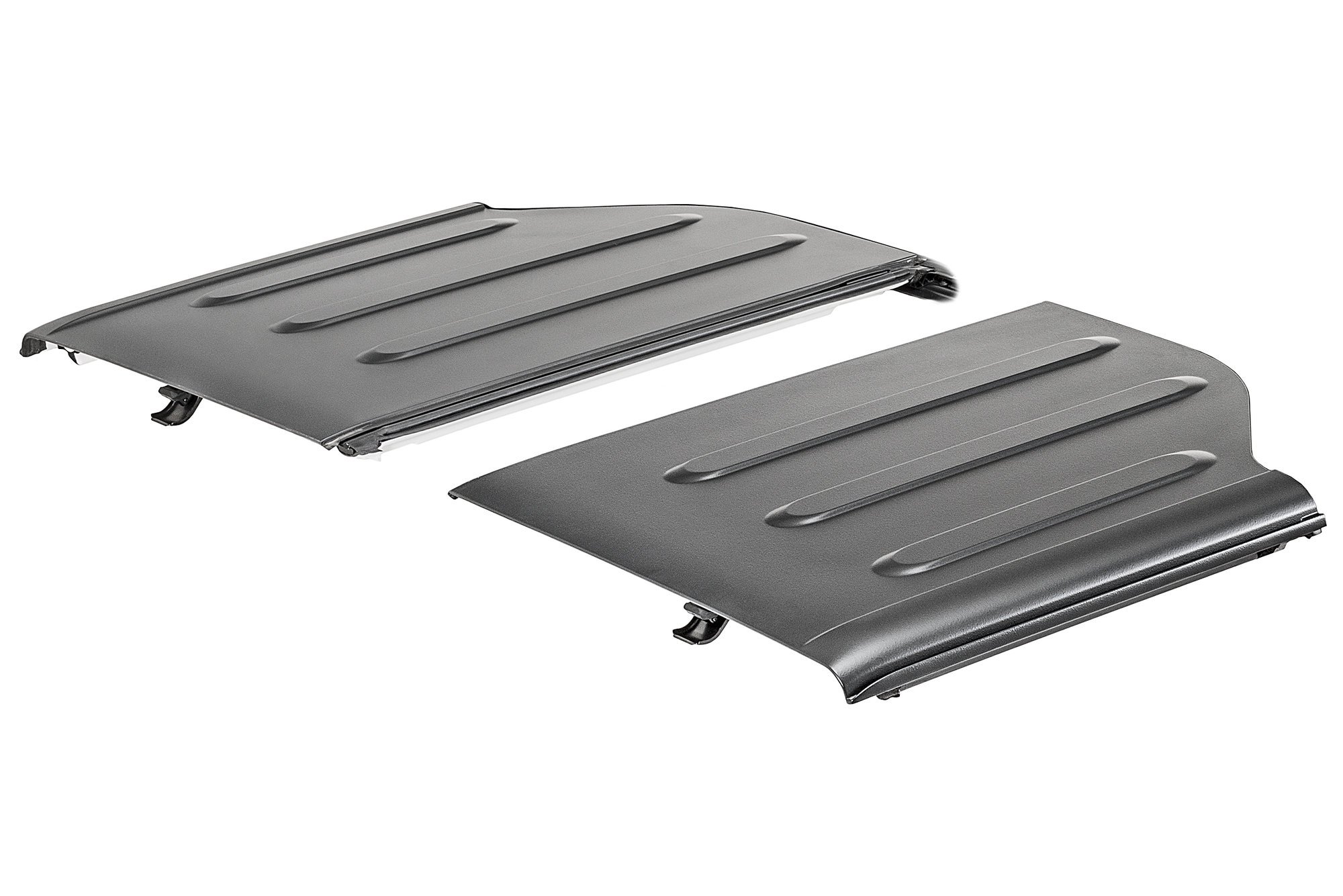
The Freedom Panels are two lightweight panels at the front of the Jeep’s hardtop. They cover the driver and passenger seats. Unlike the rest of the hardtop, these panels can be removed easily without tools. This feature is popular with Jeep owners because it allows quick changes between closed and open-air driving.
Many Jeep Wranglers from 2007 (JK models) to present (JL and Gladiator) have this system. The panels are made of fiberglass and are designed to be durable yet easy to handle.
Tools And Preparation
You don’t need many tools, but some preparation will help:
- Clean hands and panels: Dirt can scratch surfaces.
- Soft towel or blanket: For laying panels after removal.
- Storage bag or box: Many Jeeps come with a bag for the panels.
- Parking location: Work in a flat area with enough space.
Jeep recommends removing the panels only when the vehicle is parked and stationary. Never try to remove them while the Jeep is moving.

Step-by-step: Removing Freedom Panels
Follow these steps for a safe removal:
1. Unlock And Open The Doors
Open both front doors to access the latches and knobs.
2. Remove Sun Visors
Flip down both sun visors. This gives you space to reach the latches.
3. Release Latches And Knobs
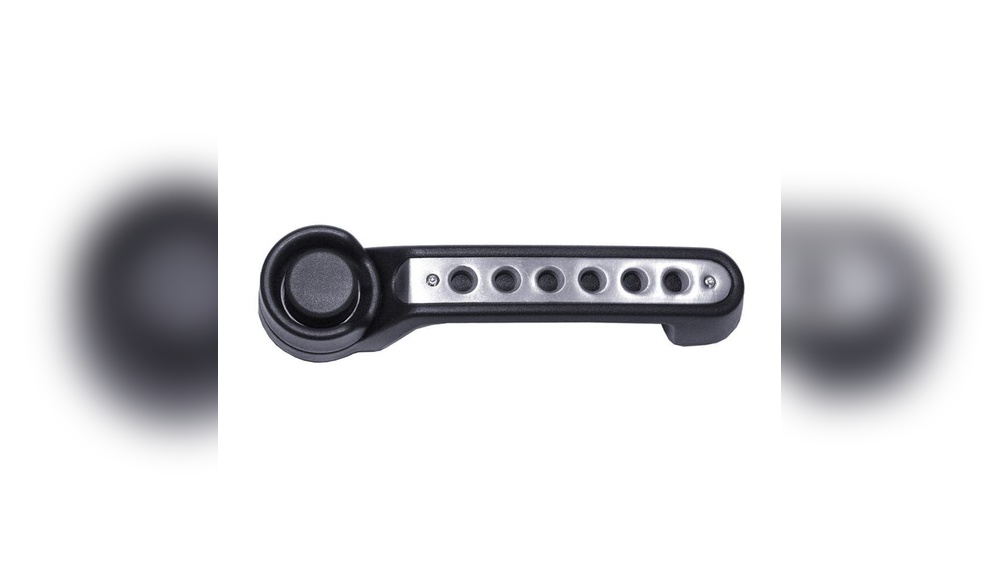
There are six latches and knobs in total (three per panel). The latch locations:
- Two above each door
- One central knob near the windshield
Turn each knob counterclockwise. Flip each latch open. The panels should feel loose after this.
4. Lift Out Each Panel
Start with the driver’s side. Hold the panel firmly with both hands. Lift it up and away from the Jeep. Repeat for the passenger side.
5. Store The Panels Safely
Place each panel on your towel or blanket. Use the Jeep storage bag if you have one. Keep panels flat and avoid stacking.
Here’s a comparison of panel weights for different Jeep models:
| Model | Panel Weight (each) | Material |
|---|---|---|
| JK (2007-2018) | 13 lbs | Fiberglass |
| JL (2018-present) | 11 lbs | Fiberglass |
| Gladiator | 12 lbs | Fiberglass |
Common Mistakes And How To Avoid Them
Many beginners damage their panels or struggle with reinstallation because of simple mistakes. Here’s how to avoid them:
- Forcing the latches: If a latch won’t move easily, check for dirt or debris. Forcing can break the latch.
- Stacking panels: Never stack the panels. Scratches and cracks can occur.
- Incorrect storage: Panels must lie flat in a bag or on a soft surface.
- Losing the knobs: Always keep the knobs attached to the panels or in a safe spot.
- Not securing after removal: Loose panels in the car can move and get damaged.
Jeep owners often forget to check the weather before removing panels. Rain can cause water inside the cabin and damage electronics.
Reinstalling Freedom Panels
Putting the panels back is almost the reverse process. Here are some tips:
- Align the panels carefully. The front edge fits under the windshield.
- Secure all knobs and latches tightly.
- Make sure the weather seals are clean. Dirt can cause leaks.
- Test for rattles after installation. If you hear noise, check the alignment.
Here’s a quick reference for latch positions:
| Latch/Knob | Position | Panel Side |
|---|---|---|
| Windshield Knob | Center-front | Both |
| Side Latches | Above doors | Driver/Passenger |
| Rear Latch | Back edge | Both |
Real-world Example: Removing Panels In Under 5 Minutes
Many Jeep owners can remove both panels in less than five minutes. The key is practice and preparation. For example, a 2022 Jeep Wrangler JL owner reported that after a few tries, he could remove the panels in just three minutes.
He kept a towel ready, worked on a clean driveway, and made sure to check the weather forecast. This shows how simple and quick the process becomes with experience.
Another insight is that panels often get easier to remove after several uses. The latches and seals loosen slightly, making the panels fit more smoothly.
Weather, Security, And Storage Considerations
Before removing panels, think about:
- Weather: Rain can enter the Jeep if panels are off. Always check forecasts.
- Security: With panels off, the Jeep is more open. Don’t leave valuables inside.
- Storage: Panels can warp if left in direct sun or heat for long periods.
If you don’t have a Jeep storage bag, consider buying one. It protects panels from scratches and dust. According to Jeep dealers, about 70% of owners use the official storage bag for convenience.
Here’s a table comparing storage options:
| Storage Option | Protection Level | Cost Estimate |
|---|---|---|
| Official Jeep Bag | High | $75-$100 |
| Blanket/towel | Medium | Free |
| Box/Case | High | $40-$80 |
Frequently Asked Questions
How Often Can I Remove The Freedom Panels?
You can remove the panels as often as you want. They are designed for frequent use. Just check the weather and store them properly.
Are Freedom Panels Waterproof?
Yes, when installed correctly. Make sure the seals are clean and the latches are tight. If you see leaks, check for dirt or damage.
Can One Person Remove Both Panels?
Yes, most adults can remove both panels alone. Each panel weighs about 11-13 lbs and is manageable for one person.
Will Removing The Panels Affect The Jeep’s Resale Value?
No, as long as you store and maintain them well. Damaged panels can lower resale value, so protect them from scratches and cracks.
Where Can I Buy Replacement Freedom Panels?
You can buy panels from Jeep dealerships or online shops. For official info, see the Jeep website.
Removing Jeep Wrangler Freedom Panels is simple with the right steps. Enjoy the open-air experience, and always care for your panels to keep them in top shape. With a bit of practice, you’ll be able to remove and store them quickly, keeping your Jeep ready for any adventure.