Building a Jeep Wrangler from scratch is a big project, but many car enthusiasts dream of it. The Wrangler is famous for its tough design, off-road ability, and customizable parts. Whether you want a daily driver or an adventure vehicle, understanding how to build one step-by-step will help you achieve your goal. This guide will explain the process in simple language, show key choices, and offer advice that beginners often miss.
Planning Your Jeep Wrangler Build
Before you start, you need a clear plan. Decide if you want a classic Jeep Wrangler or a newer model like the JL or JK. Older models are easier to work on, but newer ones have more technology and comfort.
Think about your main purpose:
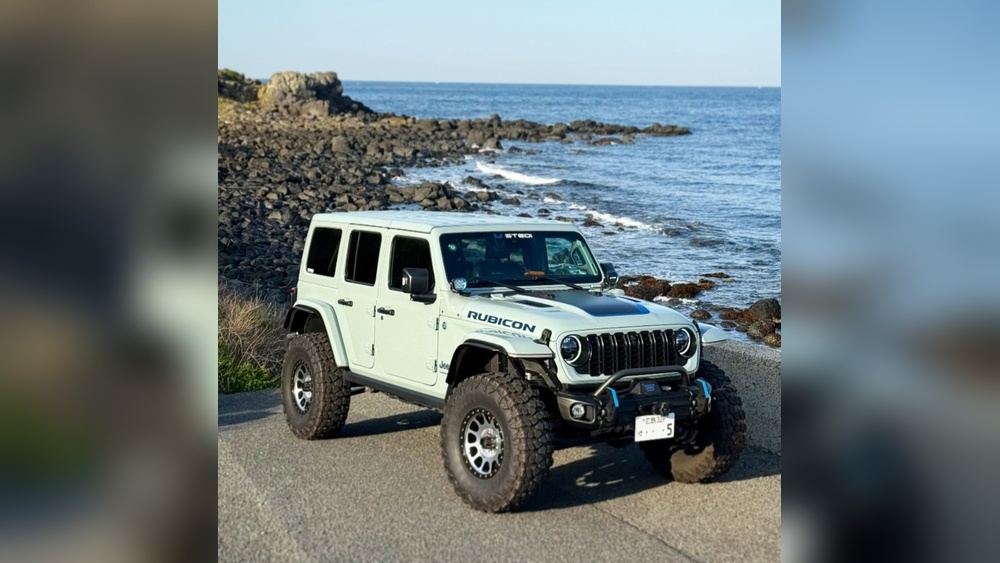
- Off-roading: Needs strong suspension, larger tires, and protection parts.
- Everyday driving: Focus on safety, comfort, and fuel economy.
- Mixed use: Balance between tough features and daily reliability.
Estimate your budget. Building a Jeep from parts can cost between $15,000 and $40,000 depending on choices. Used frames or donor vehicles can lower costs.
| Model Year | Frame Cost (USD) | Engine Cost (USD) | Parts Availability |
|---|---|---|---|
| 1997-2006 (TJ) | $2,000-$4,000 | $1,500-$3,000 | High |
| 2007-2018 (JK) | $3,500-$6,000 | $2,500-$4,500 | Medium |
| 2018-Present (JL) | $5,000-$9,000 | $4,000-$7,000 | Low |
Gathering Parts And Tools
You need many parts to build a Jeep Wrangler. Some are new, some can be used. Here are the main components:
- Frame and body: The base for your Jeep. Make sure there is no rust or damage.
- Engine and transmission: Choose between V6, I4, or even diesel. Match engine to your goals.
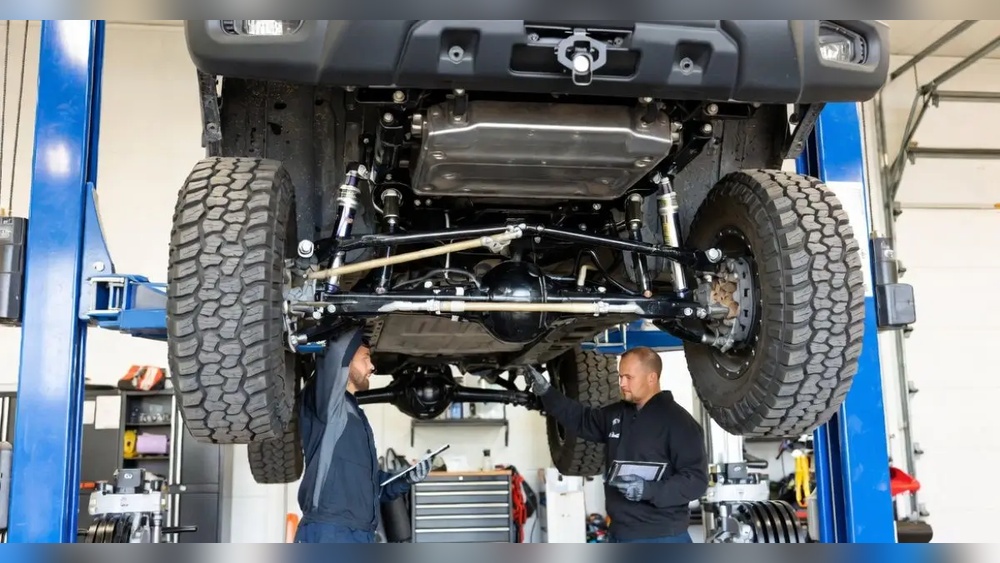
- Suspension and axles: For off-road, choose heavy-duty axles (Dana 44 or 60). Standard axles work for city driving.
- Wheels and tires: Off-road tires are larger (33” or 35”). Daily drivers use smaller tires for better mileage.
- Brakes and steering: Upgraded brakes are important for big tires.
- Electrical and wiring: Modern Jeeps have more electronics. Be ready for wiring work.
- Interior parts: Seats, dashboard, controls, and safety items.
Essential tools include:
- Socket and wrench set
- Jack stands and hydraulic jack
- Torque wrench
- Screwdrivers and pliers
- Engine hoist (if installing engine)
- Safety gear (gloves, goggles)
Many beginners forget to check compatibility between parts. For example, some axles won’t fit certain frames without modification. Always double-check before buying.
Step-by-step Build Process
Building a Jeep Wrangler is not just about assembling parts. You must follow a process to stay safe and avoid mistakes.
- Prepare your workspace: Clean garage with good lighting. Organize tools and parts.
- Inspect and clean frame: Remove any rust. Paint or coat for protection.
- Install suspension and axles: Fit the springs, shocks, and axles. Check alignment and torque bolts to factory specs.
- Mount engine and transmission: Use an engine hoist. Connect mounts, wiring, and fuel lines.
- Attach wheels and tires: Make sure lug nuts are tight.
- Install brakes and steering system: Bleed brakes, check steering linkage.
- Connect electrical components: Wire headlights, taillights, dashboard, and battery.
- Build out the interior: Seats, dashboard, controls, and airbags if needed.
- Test all systems: Start engine, check for leaks, test brakes and steering.
| Step | Time Estimate | Common Issues |
|---|---|---|
| Frame Prep | 4-8 hours | Missed rust spots |
| Suspension Install | 6-12 hours | Wrong bolt torque |
| Engine Mount | 8-15 hours | Misaligned mounts |
| Electrical Wiring | 10-20 hours | Short circuits |
One non-obvious insight: Many people skip professional alignment after suspension install. This can cause uneven tire wear and poor handling. Always get a professional alignment.
Customizing Your Jeep Wrangler
Customization is what makes a Jeep Wrangler unique. Here are popular choices:
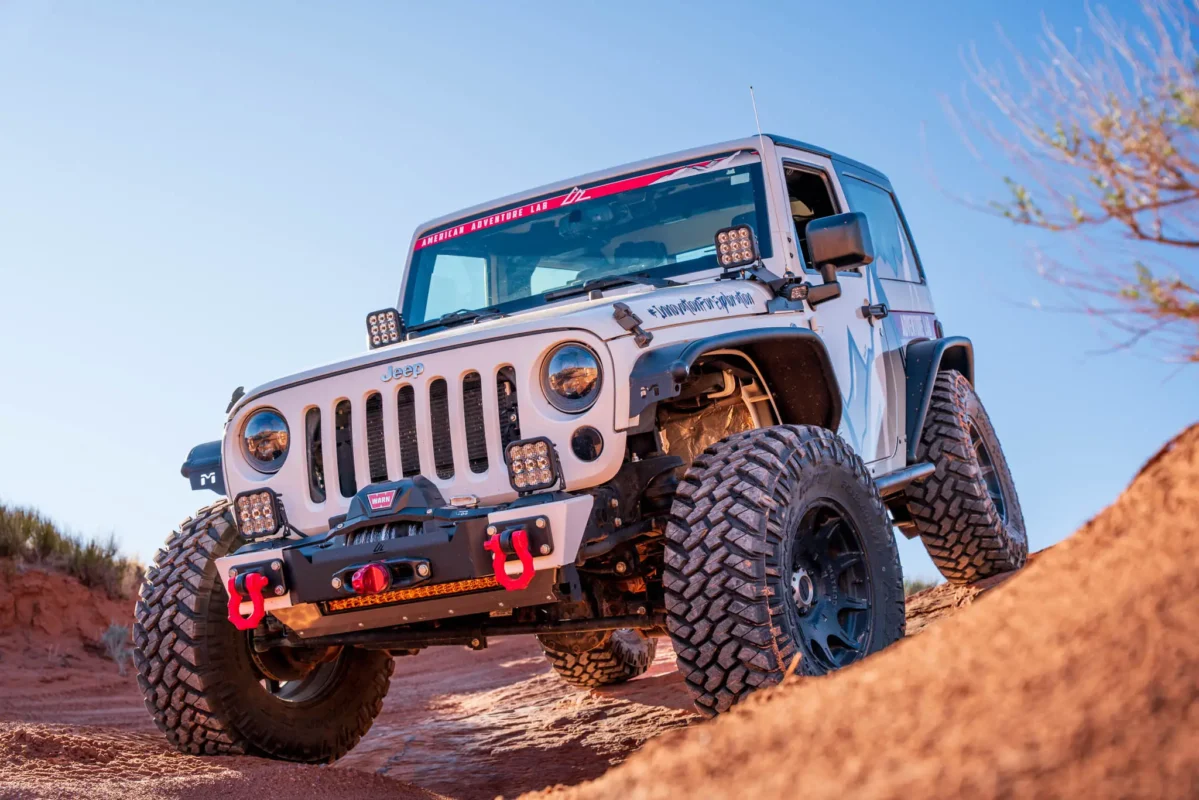
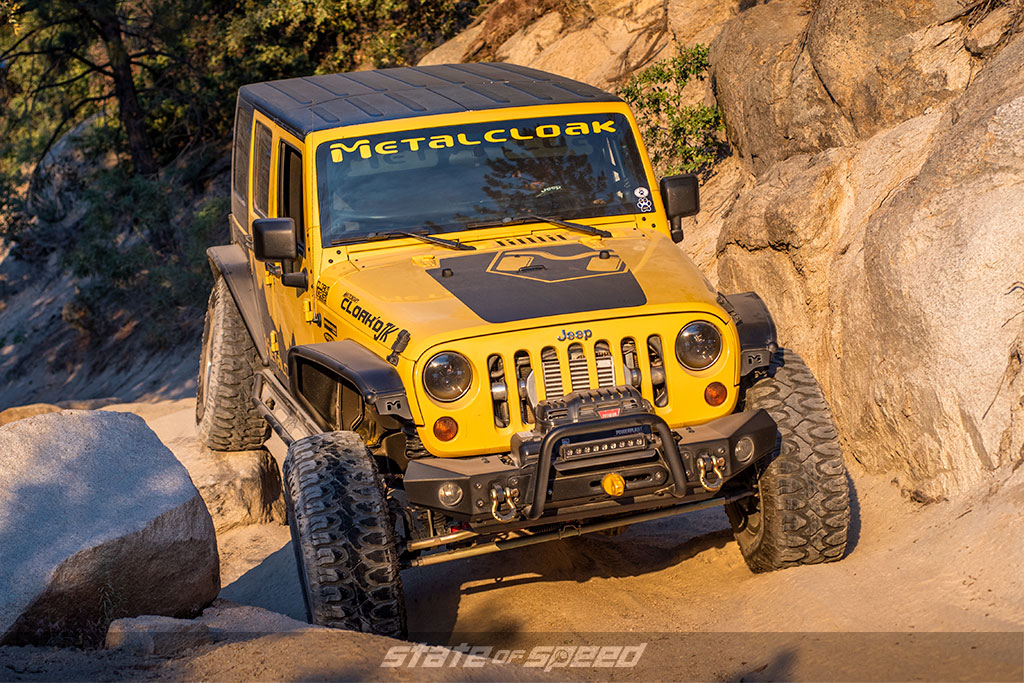
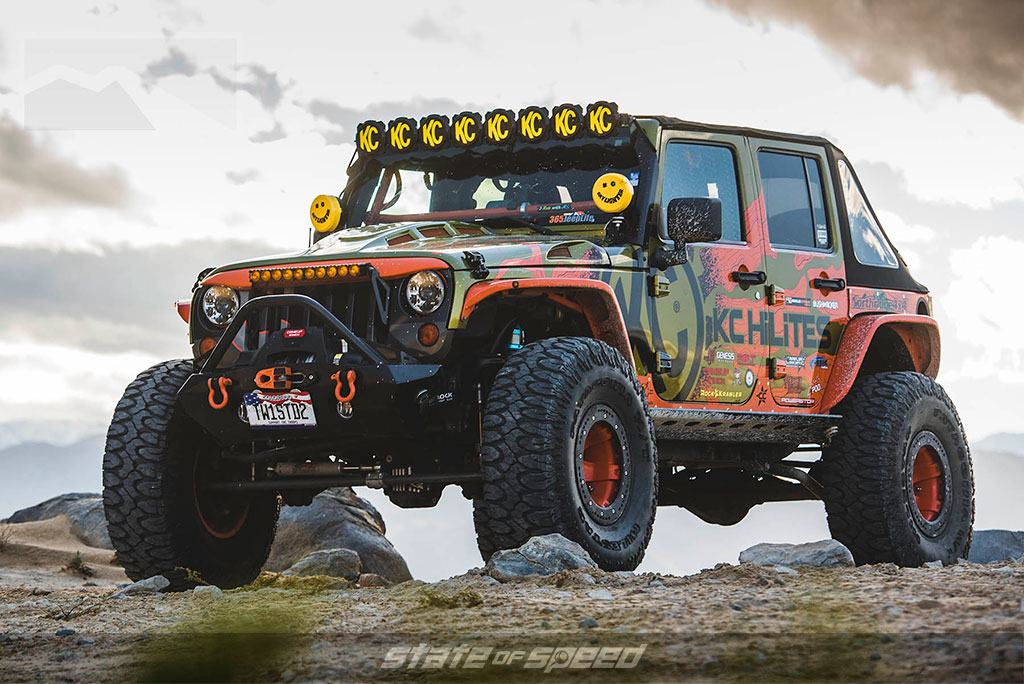
- Lift kits: Adds ground clearance for bigger tires. Check local laws for maximum height.
- Bumpers and winches: Steel bumpers and winches help in off-road recovery.
- Lighting upgrades: LED headlights and off-road lights improve visibility.
- Body armor: Rock sliders and skid plates protect against rocks and debris.
- Paint or wraps: Personalize color and finish.
| Upgrade | Cost Range (USD) | Difficulty Level |
|---|---|---|
| Lift Kit | $500-$3,000 | Medium |
| Winch | $300-$1,500 | Easy |
| LED Lights | $100-$800 | Easy |
| Body Armor | $250-$2,000 | Medium |
A tip many miss: Check your local DMV rules before major upgrades. Some states limit bumper heights or require specific lighting. Ignoring this can cause registration issues.
Testing And Safety Checks
After assembly and customization, safety checks are crucial. Here’s what you need to do:
- Inspect all bolts and fasteners for tightness
- Check fluid levels (oil, coolant, brake fluid)
- Test brakes and steering at low speed
- Look for leaks under the vehicle
- Test all lights and electronics
Drive slowly for the first 50 miles. Listen for strange noises, check handling, and watch for warning lights. Many beginners rush this step and miss problems that can become costly.
If you’re unsure about any part, ask for help from a Jeep forum or a professional mechanic. For more official Jeep building info, visit Jeep’s official site.
Building a Jeep Wrangler is rewarding. It teaches you about mechanics, customization, and vehicle safety. With careful planning and patience, you’ll have a unique Jeep ready for adventure.
Frequently Asked Questions
What Is The Easiest Jeep Wrangler Model To Build?
The TJ (1997-2006) is often the easiest. Parts are widely available and the design is simple compared to newer models.
Can I Build A Jeep Wrangler Without Mechanical Experience?
It’s possible, but you must be ready to learn. Start with basic repairs, follow guides, and get help when needed.
How Much Does It Cost To Build A Jeep Wrangler From Scratch?
Expect to spend $15,000 to $40,000 depending on model, parts, and upgrades. Used parts can lower costs.
Is It Legal To Build And Register A Jeep Wrangler?
Yes, but you must follow local laws for safety and emissions. Check with your DMV before making big changes.
What Are Common Mistakes Beginners Make?
Many forget to check compatibility of parts, skip professional alignment, or ignore legal requirements for upgrades. Double-check every step and don’t rush.