Getting your Jeep into 4WD Low can make a big difference when you’re driving off-road or tackling tough conditions. Many people think it’s complicated, but it’s actually straightforward if you follow the right steps. You might need 4WD Low when you’re climbing steep hills, moving through deep mud, or navigating rocky trails. This guide will show you how to switch your Jeep into 4WD Low, explain why it matters, and help you avoid common mistakes. Whether you’re new to Jeeps or just want a refresher, you’ll find clear instructions and practical tips here.
Understanding 4wd Low
4WD Low is a setting in your Jeep that gives you extra power at slow speeds. It changes how the wheels turn and helps the vehicle handle tough terrain. Unlike 4WD High, which is used for slippery roads or mild off-road situations, 4WD Low is for serious obstacles. Here’s a quick overview:
| Mode | Speed Range | Best Use |
|---|---|---|
| 2WD | All speeds | Normal driving, dry pavement |
| 4WD High | Up to 55 mph | Rain, snow, mild off-road |
| 4WD Low | Under 25 mph | Steep hills, deep mud, rocks |
Many beginners confuse 4WD Low with 4WD High. The main difference is power delivery. In 4WD Low, your Jeep moves slower but has more torque, which means better control and force.
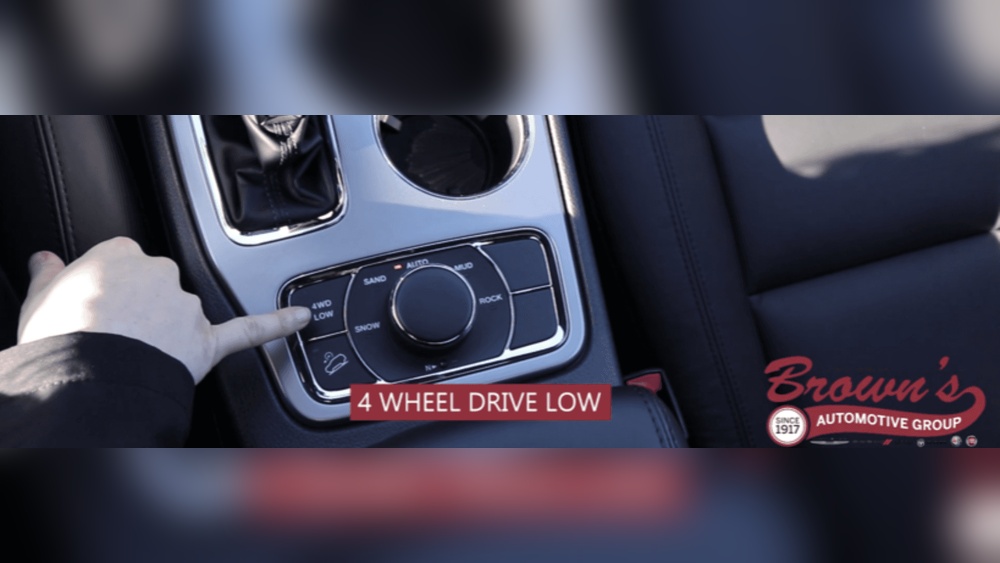
Steps To Put Your Jeep In 4wd Low
Switching your Jeep to 4WD Low depends on the model and year. Most modern Jeeps use either a manual lever or an electronic switch. Here are clear steps for both types:
Manual Transfer Case Lever
- Stop the Jeep: Come to a complete stop. 4WD Low should never be engaged while moving fast.
- Shift to Neutral: Move the gear selector to N (Neutral). This is essential for the transfer case to change modes.
- Move the 4WD Lever: Firmly pull the transfer case lever from 4WD High (or 2WD) to 4WD Low. You may feel resistance. Don’t force it; wiggle gently if needed.
- Wait for Engagement: Watch for the 4WD Low indicator on the dashboard. Once it lights up, you’re ready.
- Shift Back to Drive or First Gear: Now you can drive in 4WD Low.
Electronic Transfer Case Switch
- Stop the Vehicle: Always stop completely.
- Shift to Neutral: Put the transmission in Neutral.
- Press the 4WD Low Button/Switch: Hold the button until you see the 4WD Low light on the dashboard.
- Wait for Confirmation: The system may beep or show a message. Don’t rush.
- Shift to Drive: After confirmation, you can start moving.
| Type | Engagement Method | Common Models |
|---|---|---|
| Manual Lever | Physical lever | Wrangler, Cherokee (older models) |
| Electronic Switch | Button/dial | Grand Cherokee, Gladiator (newer models) |
Tip: If the 4WD Low light doesn’t come on, repeat the steps. Sometimes, shifting slightly forward or backward in Neutral helps.

When And Why To Use 4wd Low
4WD Low is not for everyday driving. It’s made for:
- Steep hills: More power means safer climbing and descending.
- Deep mud/snow: Extra torque helps wheels move through sticky surfaces.
- Rocks and rough terrain: Better control at low speeds.
Using 4WD Low on dry, flat roads can damage your Jeep. Always disengage 4WD Low when you return to normal conditions.
Real-world Example
Imagine you’re driving a Jeep Wrangler on a rocky trail in Colorado. The rocks are big, and the path is steep. Switching to 4WD Low lets you crawl slowly, making it easier to avoid damage and keep traction. Many experienced Jeep owners say 4WD Low is the secret to safe off-roading.
Common Mistakes To Avoid
Even experienced drivers can make mistakes. Here are some to watch out for:
- Engaging 4WD Low at high speed: Always stop first.
- Forgetting to shift to Neutral: The system won’t engage without it.
- Using 4WD Low on pavement: This strains the drivetrain.
- Ignoring dashboard warnings: If you see flashing lights or error messages, check your steps.
Beginners often overlook the need to wait for the indicator. Rushing can cause problems. Also, some drivers forget to switch back to normal mode after off-roading, which affects fuel efficiency.

Helpful Tips For Smooth Operation
- Practice before you need it: Try engaging 4WD Low in a safe area before off-roading.
- Listen for unusual noises: Grinding or clunking means something is wrong.
- Check your owner’s manual: Each Jeep model has specific instructions.
- Maintain your transfer case: Regular checks can prevent breakdowns.
Here’s a quick comparison of engagement tips for different Jeep models:
| Model | Transfer Case Type | Special Notes |
|---|---|---|
| Wrangler JL | Manual lever | Must be fully stopped, shift to Neutral |
| Grand Cherokee | Electronic switch | Wait for dashboard confirmation |
| Gladiator | Manual lever | Engage gently, don’t force lever |
If you’re unsure, check the Jeep official website or trusted sources like Jeep.com.
Frequently Asked Questions
How Fast Can I Drive In 4wd Low?
You should drive under 25 mph in 4WD Low. Going faster can damage your Jeep’s drivetrain and reduce control.
Can I Switch To 4wd Low While Moving?
No. Always stop completely and shift to Neutral before changing to 4WD Low. This avoids gear damage.
Does 4wd Low Use More Fuel?
Yes, it uses more fuel because the engine works harder. Only use 4WD Low when needed.
What If The Indicator Doesn’t Light Up?
Check if you’re in Neutral and fully stopped. If it still doesn’t work, try shifting slightly forward/backward or consult your manual.
Is 4wd Low Safe For Highway Driving?
No, 4WD Low is not safe for highways or smooth roads. It’s designed for low speed and rough terrain.
Switching your Jeep into 4WD Low is easy once you know the steps. It’s important for safe, confident off-road driving and can save your vehicle from damage. Practice the steps, watch your dashboard, and use 4WD Low only when conditions call for it.
With these tips, you’ll be ready for any adventure your Jeep can handle.