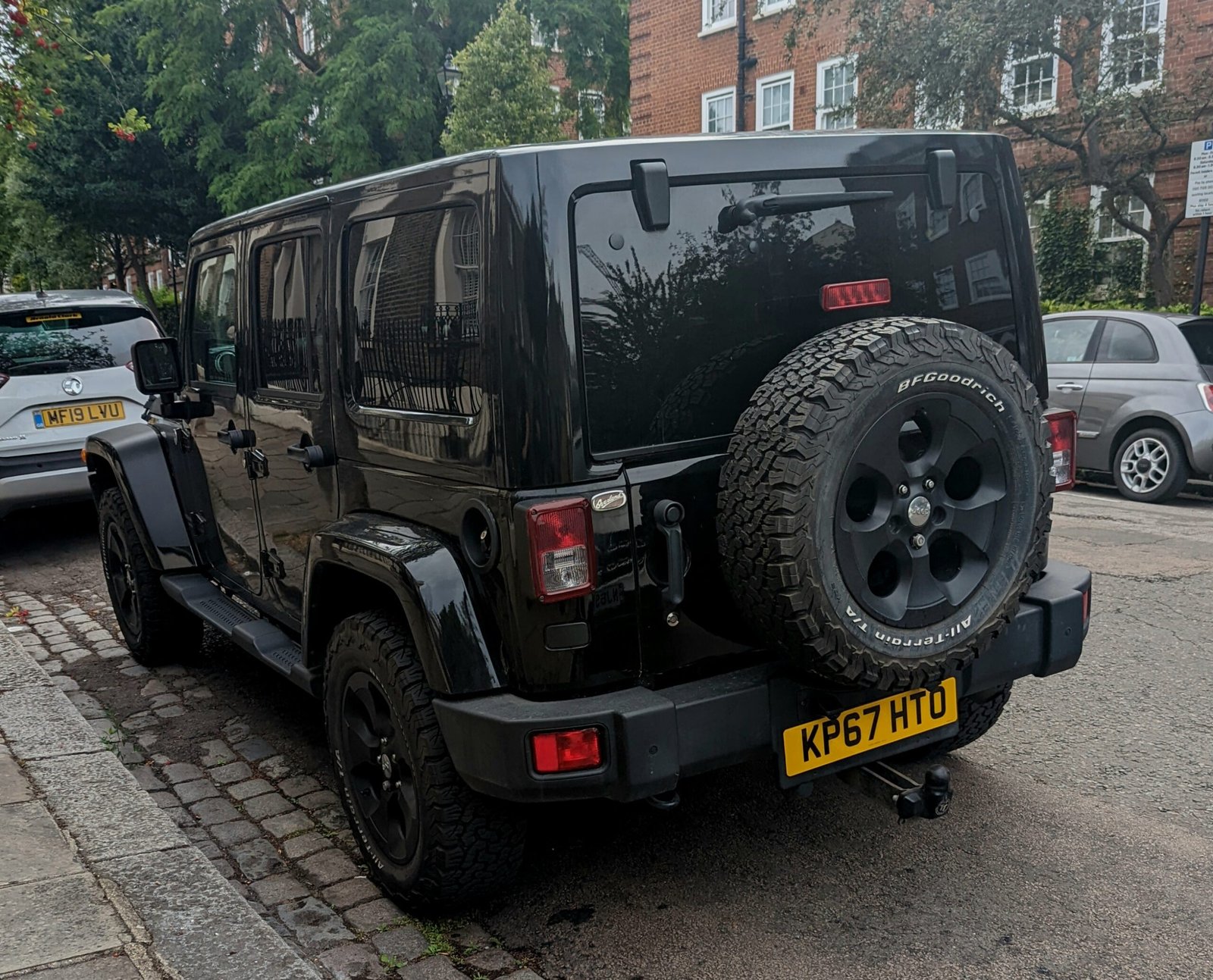
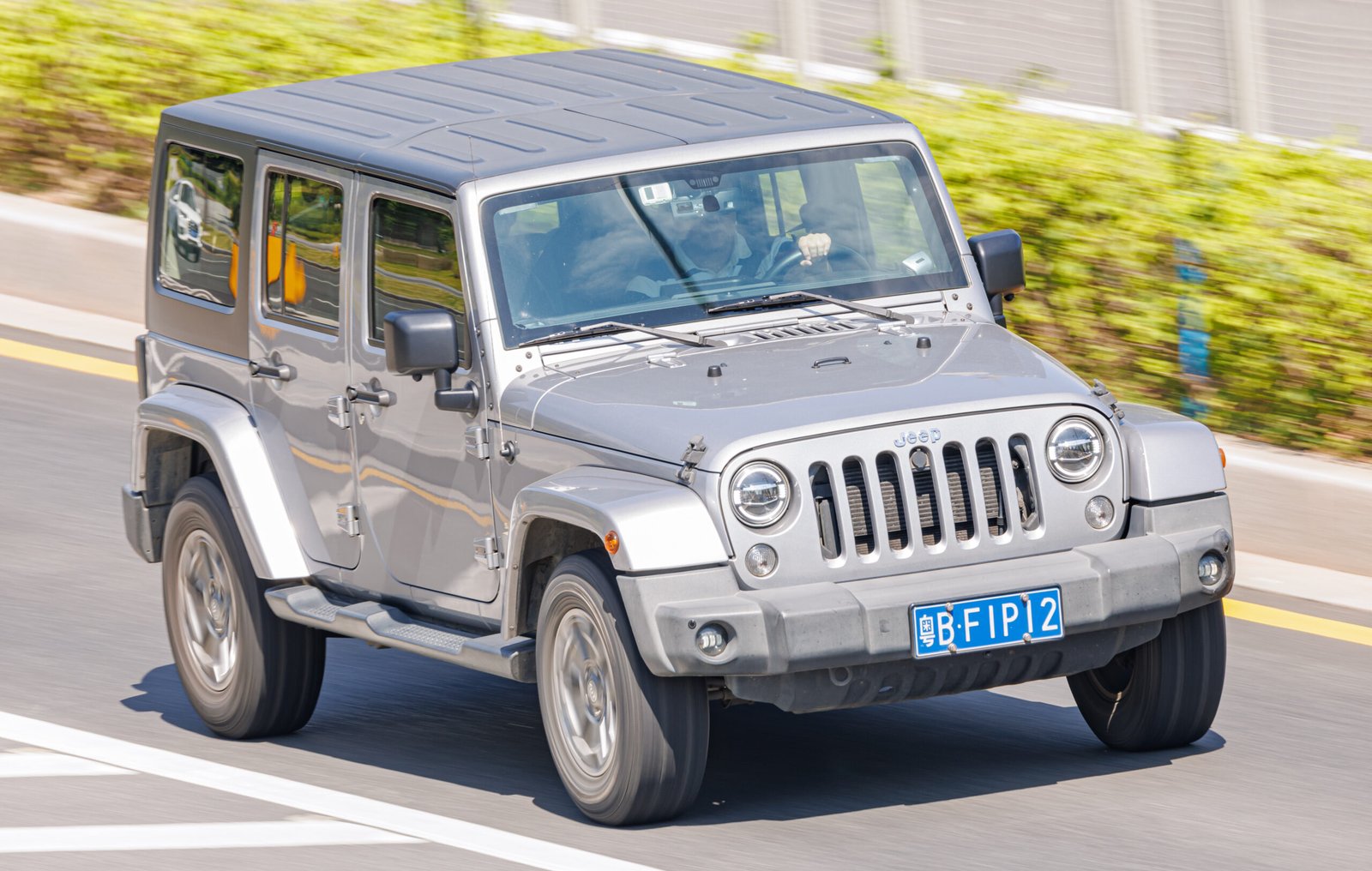
Getting the most out of your Jeep Wrangler means understanding how to use its 4 wheel drive system. Whether you’re tackling muddy roads, snowy trails, or rocky terrain, knowing how to shift into 4WD can make your adventures safer and more enjoyable. Many beginners worry about damaging their vehicle or getting stuck, but the process is simple once you know the steps. In this guide, you’ll learn how to put a Jeep Wrangler into 4 wheel drive, with clear explanations for each type of system found in Wranglers. You’ll also see how 4WD compares to 2WD and learn common mistakes to avoid.
Understanding Jeep Wrangler 4 Wheel Drive Systems
Not all Jeep Wranglers are the same. There are four main types of 4WD systems found in these vehicles:
- Part-Time 4WD (most common)
- Full-Time 4WD
- Command-Trac
- Rock-Trac
Knowing which system your Jeep has is important before you shift.
| 4WD System | When to Use | Common Models |
|---|---|---|
| Part-Time 4WD | Off-road, slippery surfaces | Wrangler Sport, Sahara |
| Full-Time 4WD | Any surface, daily driving | Wrangler Rubicon 4xe |
| Command-Trac | Light off-roading | Wrangler Sport |
| Rock-Trac | Heavy off-roading | Wrangler Rubicon |
Many beginners don’t realize that using the wrong mode on dry pavement can harm the drivetrain. Always check your owner’s manual if you’re unsure.
Putting Your Jeep Wrangler Into 4 Wheel Drive
Each 4WD system has its own shifting method. Here’s a step-by-step guide for all four.
Part-time 4wd
Most Jeep Wranglers have part-time 4WD. This system is designed for off-road or slippery conditions.
- To shift from 2WD to 4WD High:
- Make sure you’re driving below 55 mph.
- Take your foot off the accelerator.
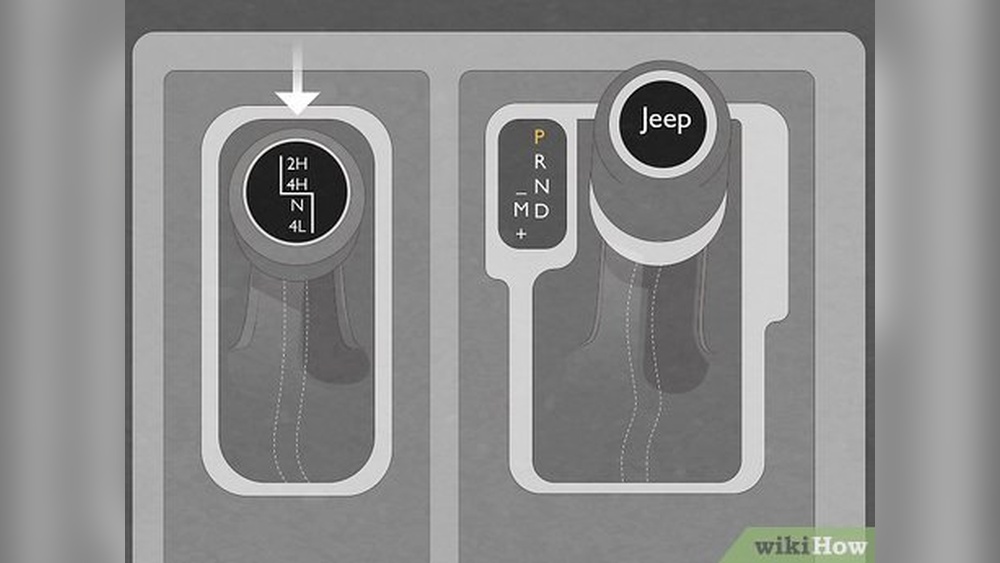
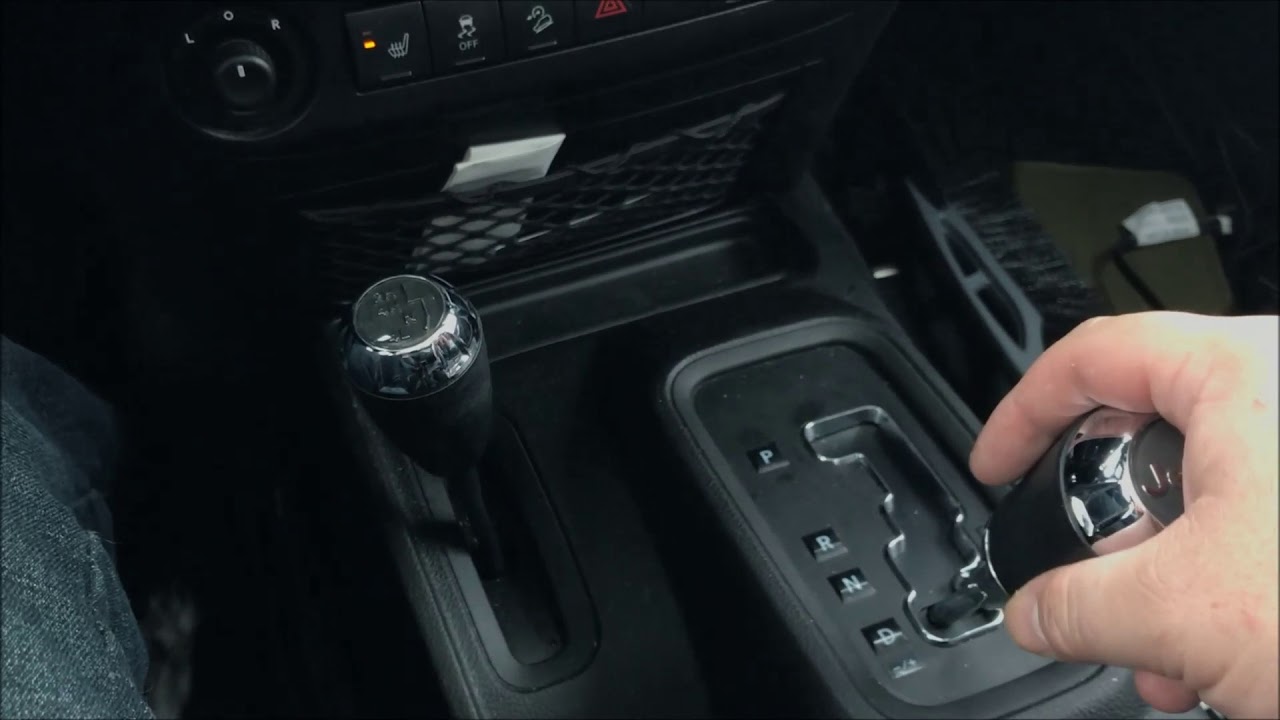
- Firmly pull the transfer case lever from 2H to 4H.
- You’ll feel a slight click; the system is now active.
For 4WD Low:
- Stop the vehicle completely.
- Shift the transmission to neutral (N).
- Move the lever from 4H to 4L. You may need to push down or pull firmly.
- Wait for the indicator light to confirm.
Tip: Never use 4WD Low on dry, flat roads. It’s for slow speeds and rough terrain.
Full-time 4wd
Full-time 4WD lets you drive in 4WD all the time, even on dry roads.
- For automatic shifting:
- The system usually switches between modes itself.
- If you need 4WD Low, stop the Jeep and shift to neutral.
- Turn the knob or move the lever to 4L.
Insight: Full-time systems are more forgiving for beginners because you don’t have to remember to switch back to 2WD.
Command-trac
The Command-Trac system is similar to part-time 4WD but is used mostly for light off-roading.
- To engage:
- Slow down below 45 mph.
- Pull the lever from 2H to 4H.
- For 4L, stop, shift to neutral, and pull the lever to 4L.
Mistake to Avoid: Don’t shift directly from 2H to 4L while moving. Always stop first.
Rock-trac
Rock-Trac is made for serious off-roading. It gives you extra torque for tough spots.
- To use:
- Stop the Jeep and shift to neutral.
- Move the lever from 2H or 4H to 4L.
- Wait for the system to engage (indicator light will show).
Rock-Trac can handle bigger obstacles, but only use 4L at slow speeds.
| System | Max Safe Speed (4H) | Max Safe Speed (4L) |
|---|---|---|
| Part-Time 4WD | 55 mph | 5 mph |
| Command-Trac | 45 mph | 5 mph |
| Rock-Trac | 55 mph | 5 mph |
| Full-Time 4WD | Any speed | 5 mph |

Comparing 2wd And 4wd Modes
Switching to 4WD gives your Jeep better traction and control. Here’s how the two modes differ:
| Mode | Traction | Fuel Efficiency | Best For |
|---|---|---|---|
| 2WD | Low | High | Dry pavement |
| 4WD High | Medium-High | Medium | Wet, snow, mud |
| 4WD Low | Very High | Low | Rocks, deep sand |
Non-obvious insight: Many drivers forget to switch back to 2WD after using 4WD, which can lower gas mileage and wear out parts faster.
Common Mistakes When Using 4 Wheel Drive
- Engaging 4WD on dry roads: This can lead to drivetrain damage.
- Shifting at high speeds: Always slow down or stop, especially for 4WD Low.
- Ignoring indicator lights: Make sure the system is fully engaged before continuing.
- Not knowing your system: Each 4WD type has different rules.
Tip: Practice shifting in a safe area before heading off-road.
Practical Tips For Safe 4wd Use
- Always check tire pressure before using 4WD.
- Listen for unusual noises after shifting; this may signal a problem.
- If unsure, consult your owner’s manual or trusted guides like Jeep’s official site.
- Don’t force the lever; gentle but firm motion works best.
Frequently Asked Questions
What Is The Difference Between 4wd High And 4wd Low?
4WD High is for moderate off-road conditions and slippery roads. 4WD Low gives maximum power and torque for tough situations like deep mud, sand, or rocks. Only use 4WD Low at slow speeds.
Can I Switch To 4wd While Driving?
For most Wranglers, you can shift to 4WD High while moving (under 55 mph). For 4WD Low, always stop and shift to neutral first.
Is It Safe To Use 4wd On Dry Pavement?
No, except for full-time 4WD systems. Using part-time or Command-Trac 4WD on dry roads can damage your Jeep.
How Do I Know If 4wd Is Engaged?
Check the dashboard indicator light. You may also feel a change in handling or hear a soft click.
Will Using 4wd Affect My Gas Mileage?
Yes, 4WD uses more fuel than 2WD. Always switch back to 2WD when you no longer need extra traction.
Using your Jeep Wrangler’s 4 wheel drive is easy once you know the steps. It’s important to understand which system your Jeep has and follow the correct shifting method. By avoiding common mistakes, you’ll protect your vehicle and enjoy safer off-road driving.
With practice, you’ll be able to shift confidently and get the most out of your Wrangler’s capabilities.