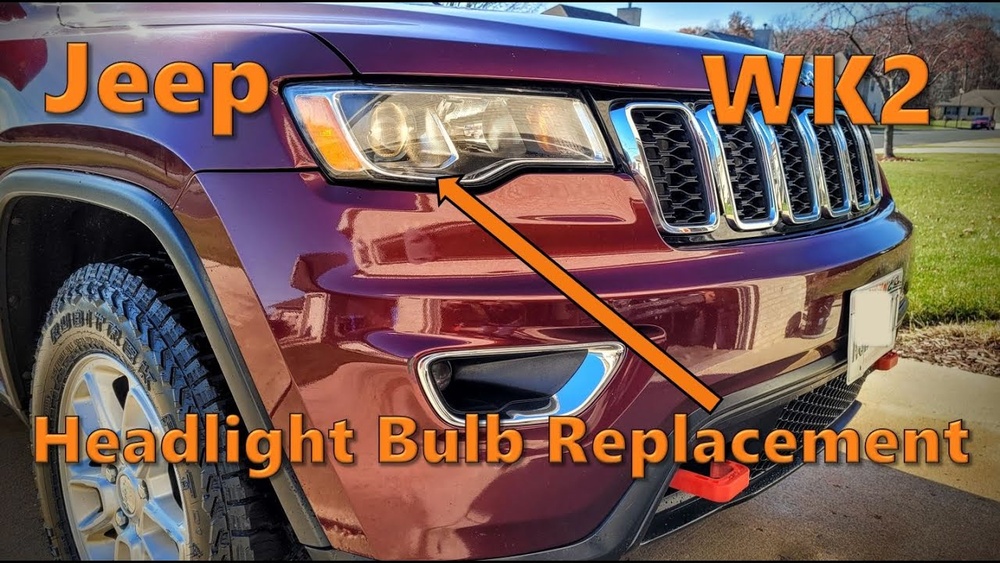
Turning off a Jeep may sound simple, but the process can vary depending on the model, year, and technology inside your vehicle. Whether you drive an older Jeep Wrangler or a newer Jeep Grand Cherokee, understanding the right way to shut down your Jeep can save you trouble in the long run.
This guide will walk you through the basic steps, important details, and what to watch out for, so you can turn off your Jeep safely and confidently.
Basic Steps To Turn Off A Jeep
Most Jeeps follow a similar shutdown process, but the exact steps depend on whether your Jeep uses a traditional key ignition or a push-button start. Here’s how to do it for both types:
Traditional Key Ignition
- Bring the Jeep to a full stop. Always make sure your Jeep is parked. For automatic transmissions, shift to ‘P’ (Park). For manual transmissions, shift to ‘N’ (Neutral) and apply the parking brake.
- Turn off accessories. Switch off the radio, air conditioning, and lights to avoid draining the battery.
- Turn the key. Rotate the key counterclockwise until the engine stops running.
- Remove the key. Gently pull the key out of the ignition.
- Lock the doors. Use your key fob or manually lock the doors for security.
- Bring the Jeep to a full stop. Shift to ‘P’ (Park) and apply the parking brake.
- Press the engine start/stop button. With your foot off the brake, press the button once. The engine will shut down.
- Turn off accessories. Switch off any electronics to protect your battery.
- Lock the doors. Use your key fob or the interior lock button.
Key Differences Between Jeep Models
Jeep has released many models over the years, and each one can have unique shutdown procedures. Below is a comparison table highlighting key differences:
| Model | Ignition Type | Parking Brake | Shutdown Process |
|---|---|---|---|
| Wrangler (pre-2018) | Traditional key | Manual lever | Turn key, apply brake |
| Wrangler (2018+) | Push-button | Electronic | Press button, apply brake |
| Grand Cherokee (2014+) | Push-button | Electronic | Press button, apply brake |
| Renegade | Push-button | Electronic | Press button, apply brake |
Important Tips For Jeep Owners
Turning off your Jeep properly prevents mechanical issues and keeps your battery healthy. Here are some tips many owners overlook:
- Always use the parking brake. Even with an automatic, the parking brake helps prevent rolling, especially on hills.
- Wait for the engine to cool down. If you’ve been driving hard, let the engine idle for 30–60 seconds before shutting off. This protects the turbocharger and internal parts.
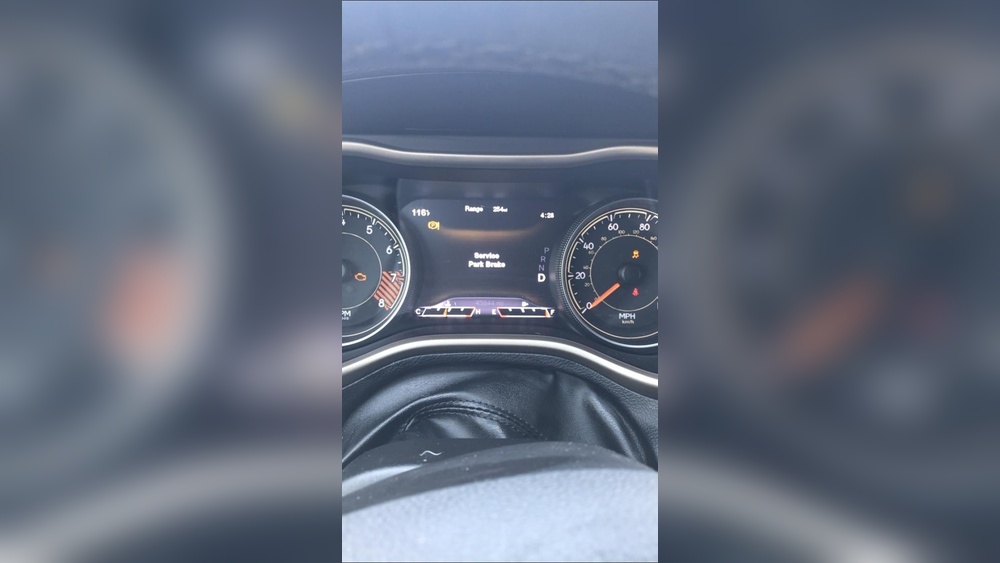
- Check for warning lights. If any lights remain on after shutting down, check your owner’s manual or consult a technician.
Common Mistakes When Turning Off A Jeep
Even experienced drivers sometimes make mistakes when shutting down their Jeep. Understanding these errors can help you avoid them:
- Leaving the transmission in gear. In manual Jeeps, always shift to neutral and apply the parking brake.
- Forgetting to turn off accessories. Lights, radio, or air conditioning left on can drain your battery.
- Not applying the parking brake. This is especially risky on slopes and can lead to accidents.
- Ignoring warning lights. Some drivers ignore dashboard signals, which can lead to costly repairs.

Special Shutdown Features In Newer Jeeps
Modern Jeeps include advanced technology to make shutting down easier and safer. Here’s a comparison of special features:
| Feature | Jeep Models | Purpose |
|---|---|---|
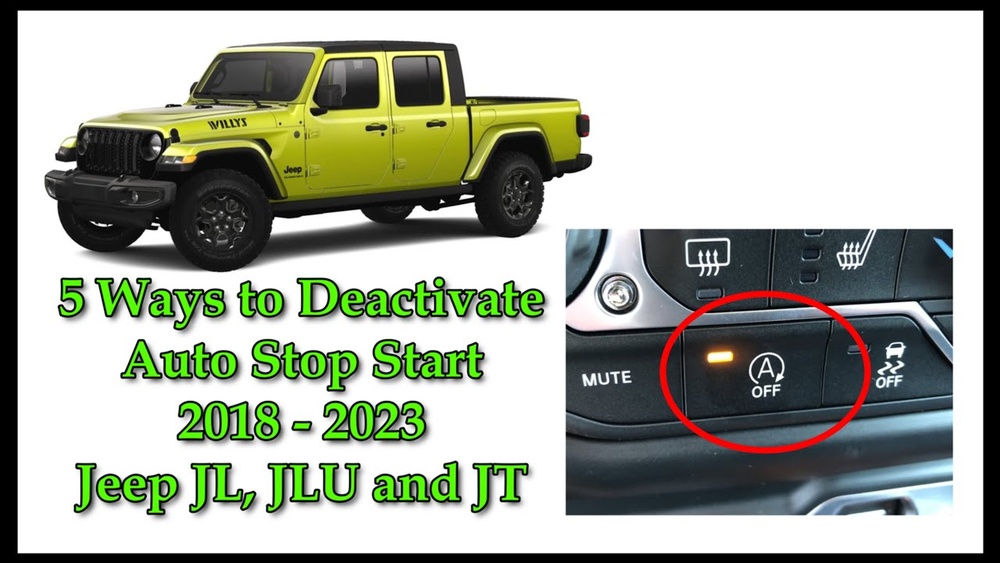
| Auto Stop/Start | Grand Cherokee, Renegade | Engine shuts off at stops to save fuel |
| Remote Start Shutdown | Most 2015+ Jeeps | Engine turns off automatically after remote start |
| Keyless Entry Shutdown | Wrangler 2018+, Grand Cherokee | Engine turns off when key fob is out of range |
Safety Considerations
Turning off your Jeep is not only about stopping the engine. Safety is a key concern, especially in public places or rough terrain.
- Always check surroundings. Make sure you’re parked in a safe location before shutting down.
- Remove valuables. Don’t leave items visible inside; theft is common in some areas.
- Lock your Jeep. Use your fob or manual locks. Modern Jeeps sometimes auto-lock after shutdown, but older ones don’t.

What To Do If Your Jeep Won’t Turn Off
Sometimes, you may find your Jeep’s engine won’t shut down as expected. This could be due to a faulty ignition switch, electrical problems, or a malfunctioning push-button start. Here are steps to try:
- Check the key fob battery. If your Jeep uses push-button start, a weak fob battery can prevent shutdown.
- Try the emergency shutdown. Most Jeeps with push-button start allow you to hold the button for 10 seconds to force shutdown.
- Consult your owner’s manual. Follow the troubleshooting steps provided.
- Contact a Jeep dealer. If the problem continues, professional help is needed.
Jeep Shutdown Statistics
Did you know? According to a recent survey, over 40% of Jeep owners have forgotten to turn off at least one accessory when shutting down their vehicle. Also, battery issues are among the top 5 reasons for Jeep service visits. Taking care to follow proper shutdown steps can reduce these problems.

Frequently Asked Questions
Press the engine start/stop button once, with your foot off the brake. The engine will turn off. Make sure the transmission is in ‘P’ (Park).
What Should I Do If My Jeep Won’t Shut Down?
First, check your key fob battery. If the problem continues, try holding the start/stop button for 10 seconds. Consult your owner’s manual for more instructions.
Is It Important To Use The Parking Brake Every Time?
Yes, using the parking brake prevents rolling and keeps your Jeep secure, especially on slopes or uneven surfaces.
Can Leaving Accessories On Drain My Battery?
Absolutely. Leaving the radio, lights, or air conditioning on after shutting down can drain your battery quickly, leading to starting problems.
Where Can I Find More Official Jeep Shutdown Instructions?
You can find detailed instructions at the official Jeep site: Jeep Owner’s Manual.
Turning off your Jeep correctly is a simple task, but paying attention to details can protect your vehicle and avoid future headaches. Whether you drive a classic Wrangler or a modern Grand Cherokee, following these steps will ensure your Jeep stays reliable and ready for your next adventure.