Towing a Jeep Grand Cherokee behind a motorhome is a popular option for RV travelers. It lets you bring a comfortable and capable SUV for exploring local areas after you set up camp. But the process requires careful planning and the right equipment to avoid damage and ensure safety.
This guide will walk you through everything you need to know, from choosing the correct towing method to setting up the Jeep for safe travel. By the end, you’ll understand the key steps and avoid common mistakes that can cost you time and money.
Choosing The Right Towing Method
Not all towing methods suit every vehicle. The Jeep Grand Cherokee’s design affects how it should be towed.
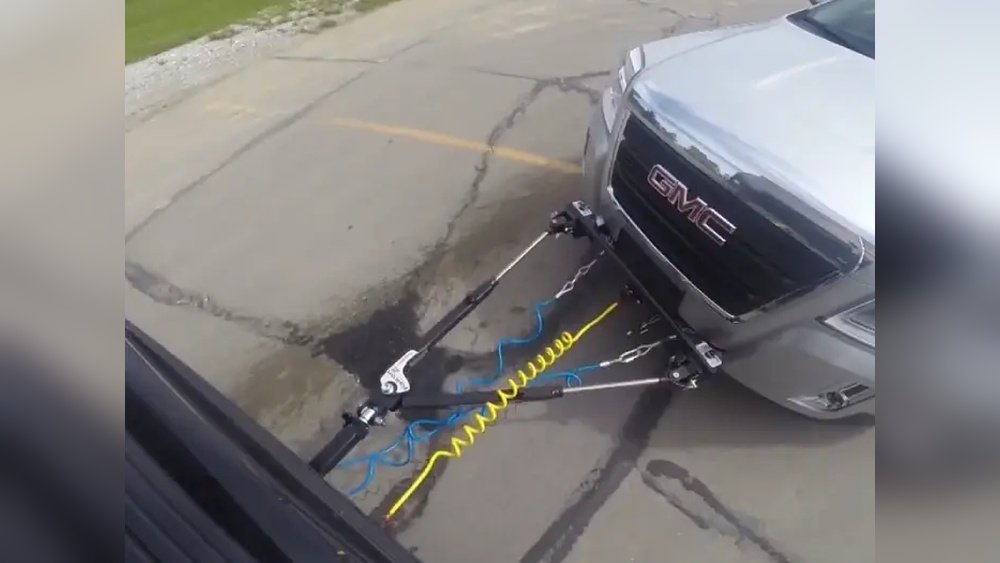
Flat Towing Vs. Dolly Vs. Trailer
There are three main ways to tow a vehicle:
| Method | Pros | Cons | Suitable Jeep Models |
|---|---|---|---|
| Flat Towing | Simple, quick setup | Not all models support | 4WD, some AWD |
| Dolly Towing | Works for most FWD | Jeep Grand Cherokee is RWD/AWD | Rarely suitable |
| Trailer | Works for all models | Heavy, expensive | All Grand Cherokees |
Flat towing (also called “dinghy towing”) is the most convenient if your Jeep supports it. Many Grand Cherokees with 4WD and neutral transfer case can be flat towed. If your model doesn’t have this option, you’ll need a car trailer.
Check Your Owner’s Manual
Always check the owner’s manual for your Jeep’s year and trim. Some models, especially those with Quadra-Trac or Quadra-Drive systems, require special steps. Towing the wrong way can damage your transmission and drivetrain.
Setting Up Your Jeep Grand Cherokee
Once you know your Jeep can be flat towed, you need the right equipment and setup.
Essential Equipment
You will need:
- Tow bar – Connects Jeep to motorhome.
- Base plate – Attaches to Jeep’s frame.
- Safety cables – Backup in case tow bar fails.
- Wiring harness – Syncs Jeep’s lights with motorhome.
- Supplemental braking system – Helps Jeep brake with motorhome.
The base plate must match your Jeep’s model and year. Brands like Blue Ox and Roadmaster offer kits for Grand Cherokees.
Installation Steps
- Install base plate – Professional installation is recommended.
- Attach tow bar – Always double-check all connections.
- Connect safety cables – Cross cables under the tow bar for added safety.
- Wire lights – Use a plug-and-play harness for easier setup.
- Set up braking system – Many states require this by law.
| Equipment | Estimated Cost | Installation Time |
|---|---|---|
| Base Plate | $350-$600 | 2-4 hours |
| Tow Bar | $300-$800 | 30 minutes |
| Braking System | $400-$1200 | 1-2 hours |

Preparing Your Jeep For Towing
You must prepare the Jeep each time before towing. This prevents transmission damage and keeps the vehicle safe.
Step-by-step Setup
- Park on level ground – Avoid slopes for safety.
- Shift transfer case to Neutral (N) – This disconnects drivetrain.
- Confirm transmission is in Park (P) – Keeps Jeep from rolling.
- Turn ignition to accessory – Allows steering wheel movement.
- Check all lights and brakes – Test before hitting the road.
Some newer Grand Cherokee models require you to follow an exact sequence to shift the transfer case. Watch for the “Neutral” indicator on your dashboard.
Non-obvious Insights
- Battery drain: Leaving ignition in accessory can drain battery. Consider using a battery disconnect or charging system.
- Steering lock risk: Some models may lock steering if the setup is incorrect. Test steering before starting.
Towing Tips And Safety
Towing a heavy SUV like the Grand Cherokee needs extra attention to safety and driving habits.
Driving And Handling
- Allow extra stopping distance – Your motorhome will need more space to stop.
- Take wider turns – The Jeep’s wheels will follow differently.
- Check mirrors often – Watch for swaying or loose connections.
Common Mistakes To Avoid
- Skipping supplemental brakes: This is illegal in some states and puts stress on your motorhome.
- Incorrect transfer case position: Towing with the transfer case in Drive can destroy the transmission.
- Ignoring weight limits: Check the motorhome’s tow rating. The Grand Cherokee weighs 4,500–5,000 lbs.
| Jeep Grand Cherokee Model | Approx. Curb Weight | Flat Towable? |
|---|---|---|
| Laredo 4WD | 4,618 lbs | Yes (with N transfer case) |
| Limited 4WD | 4,838 lbs | Yes (with N transfer case) |
| Overland AWD | 4,950 lbs | Check manual |

Practical Example
Let’s say you own a 2022 Grand Cherokee Laredo 4WD. You check your manual and confirm it has a neutral transfer case. You buy a Blue Ox base plate, tow bar, and a brake system. Installation costs you about $1,500. Before every trip, you set the transfer case to Neutral, test the brakes, and check the lights. You avoid battery drain by installing a charge line from the motorhome.
Frequently Asked Questions
Can All Jeep Grand Cherokees Be Flat Towed?
No. Only models with a neutral transfer case are flat towable. Always check your owner’s manual.
Do I Need A Supplemental Braking System?
Yes. Most states require a braking system for towed vehicles over 3,000 lbs. It also improves safety.
Will Towing Wear Out My Jeep’s Tires?
Some wear is normal, but it’s usually minor. Make sure tires are properly inflated and rotate them regularly.
How Fast Can I Drive While Towing?
Most experts recommend 55–65 mph. Check your tow bar’s and motorhome’s limits. High speeds increase risk.
Where Can I Find More Technical Details?
You can review the official guidance from Jeep Owners Manual for your model.
Towing your Jeep Grand Cherokee behind a motorhome is easier when you know the steps, have the right equipment, and follow best practices. Always check your vehicle’s manual, use quality gear, and double-check your setup before every trip. With careful preparation, you’ll enjoy safe and stress-free travels wherever you go.