Removing the hardtop from your Jeep Wrangler can turn your ride into a true open-air adventure. Many owners love switching between hardtop and soft top, or simply going roofless in good weather. Still, taking off the hardtop isn’t as easy as it sounds—especially if you’re doing it for the first time.
With the right tools and a careful approach, you can safely remove your Jeep Wrangler hardtop without damage or injury. The process gets easier after your first try, but it’s important to understand each step and avoid common mistakes to keep your Jeep looking and working its best.
Preparing To Remove The Hardtop
Before you start, make sure you have everything you need. Removing the hardtop is easier with a friend, but you can do it solo if you’re careful. If you’re not familiar with the tools, take time to read your Jeep’s manual or watch videos before beginning.
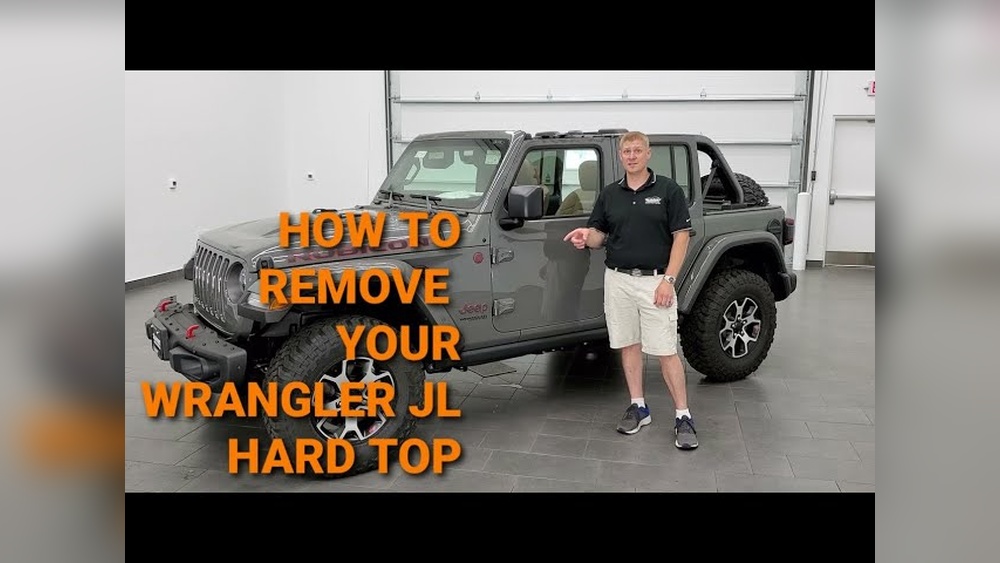
Preparation saves you from stress and accidents.
Essential tools:
- Torx bit set (usually T40)
- Ratchet or screwdriver
- Storage bags for bolts
- Step stool (if you’re not tall)
- Soft cloths or blankets to protect surfaces
Jeep Wrangler hardtops are heavy—around 80 to 120 pounds depending on the model. Most owners use a hoist or ask a second person for help. If you don’t have a hoist, you can build a simple pulley system in your garage with hooks and rope, but always check the weight limit. It’s best to clear the area around your Jeep so you have space to move the top without hitting anything.
Safety tip: Never rush the process. A dropped hardtop can crack or scratch easily, and repairs are expensive. Make sure your workspace is clean and dry. Wet floors or clutter can lead to slips and accidents.
Step-by-step Guide To Removing The Hardtop
Follow these steps to remove your Jeep Wrangler hardtop safely. Take your time and don’t skip any steps, even if you’re in a hurry.
- Remove the Freedom Panels
- Most Wranglers have two front removable panels.
- Unlock the latches inside the cabin. Sometimes they stick, so check for debris.
- Slide out the panels and set them aside gently. Use a blanket to protect them from scratches.
- Disconnect Electrical Connections
- Locate the wiring harness in the trunk area. It’s usually behind the rear seats.
- Unclip the connectors—usually for the rear wiper and defrost. Sometimes you need to press a tab or pull gently.
- Some models also have a washer fluid hose. Disconnect it carefully. If fluid leaks, wipe it up right away.
- Unscrew the Hardtop Bolts
- Find the bolts inside the trunk and above the rear doors. Sometimes bolts are hidden under trim—double-check all spots.
- Use your Torx bit to remove them. Most Wranglers have six to eight bolts.
- Keep the bolts in a labeled bag to avoid losing them. Bolts are small and easy to misplace, so mark each bag by location.
- Lift Off the Hardtop
- With all bolts out and wires disconnected, gently lift the top. If it sticks, check for missed bolts or connectors.
- If you’re working alone, use a hoist or pulley system. Never try to lift with just your back—use your legs and get help if needed.
- Place the hardtop on a soft surface to avoid scratches. Blankets, foam pads, or carpet work well.
Typical Bolt Locations
Here’s a quick comparison of bolt locations by model:
| Model | Front Bolts | Rear Bolts | Extra Steps |
|---|---|---|---|
| JK (2007–2018) | 2 | 4 | Disconnect hose |
| JL (2018–present) | 2 | 6 | Remove more connectors |
| YJ/TJ (older) | 0 | 6 | Manual lift only |
Some JL models have extra connectors for lights or cameras. Always check your model’s manual before starting.

Storing Your Hardtop Safely
Proper storage is key to keeping your hardtop in good shape. The hardtop is expensive to replace, so avoid risky storage spots. If you store outside, cover the top with a waterproof sheet to protect from rain and sun.
Best practices:
- Store on a flat, soft surface (carpet, blankets, or foam)
- Keep away from direct sunlight and moisture
- Cover with a dust-proof sheet
Many owners invest in a hardtop hoist for garage storage. This lets you lift and store the top overhead, freeing up floor space. If you use a floor stand, make sure it’s designed for your Jeep model and supports the weight evenly. Never lean the hardtop against a wall; this can cause warping or damage.
Storage Solutions Comparison
Here’s a comparison of common storage methods:
| Storage Method | Cost | Protection | Space Needed |
|---|---|---|---|
| Garage Hoist | $150–$500 | Excellent | Minimal (ceiling) |
| Floor Stand | $100–$250 | Good | Medium |
| Blankets on Floor | $0–$50 | Basic | Large |
If you live in a humid area, check your hardtop for mold or moisture every few weeks. Even small leaks can cause damage over time.
Common Mistakes And How To Avoid Them
Many beginners make simple errors that can cause problems later. Here are some mistakes to avoid:
- Forgetting to disconnect wiring: This can break connectors or damage systems. Always check twice before lifting the top.
- Losing bolts: Always label bags and keep them together. A magnetic tray can help keep bolts safe while you work.
- Lifting without help: The hardtop is awkward and heavy. Use two people or a hoist. Even strong people can drop it if it slips.
- Storing on rough surfaces: This can cause scratches or cracks. Always use soft padding and check for sharp objects.
Non-obvious tip: If your hardtop rattles after reinstalling, check the rubber seals. Over time, seals flatten and may need replacement. A thin bead of silicone can help seal minor gaps if you notice leaks.
Another detail many owners miss: after reinstalling, check the alignment of the rear window. Sometimes, the window doesn’t close tightly, letting in water or noise. Adjust the hardtop position if needed.

Reinstalling The Hardtop
When you’re ready to put the hardtop back, follow these steps:
- Place the hardtop gently back onto your Jeep. Make sure it sits evenly on all sides.
- Reinstall bolts in the same order you removed them. Tighten bolts securely, but don’t over-tighten to avoid stripping threads.
- Reconnect wiring and washer hose. Test the rear wiper and defrost before driving.
- Reattach the Freedom Panels.
Always check for leaks after reinstalling. Drive through a car wash or spray water to spot any gaps. If you see water inside, check bolt tightness and seals.
Quick Installation Vs. Removal
Here’s a quick table showing how installation compares to removal time:
| Step | Removal Time | Installation Time |
|---|---|---|
| Panels | 2 min | 2 min |
| Wiring | 3 min | 3 min |
| Bolt Work | 10 min | 10 min |
| Hardtop Lift | 5 min | 5 min |
A small tip: lubricate the bolts before reinstalling. This makes removal easier next time and prevents rust.
Frequently Asked Questions
How Heavy Is A Jeep Wrangler Hardtop?
Most hardtops weigh 80–120 pounds. The four-door tops are heavier. It’s best to have help or use a hoist. If you’re unsure, check your owner’s manual for the exact weight.
Can I Remove The Hardtop By Myself?
Yes, but it’s safer with two people. Solo removal can be done with a hoist. Never try to lift it alone without support. If you must do it alone, move slowly and check each step.
Do I Need Special Tools?
You need a Torx bit set—usually size T40. Most Wranglers come with the tool kit, but you can buy bits at any hardware store. Having a ratchet with a long handle makes bolt removal easier.
Will Removing The Hardtop Damage My Jeep?
If you follow the steps and avoid rushing, your Jeep will be fine. Common risks are scratched paint or broken connectors. Use blankets and disconnect wires carefully. Inspect your Jeep after removal for any signs of damage.
Where Can I Find Official Instructions?
You can find the official removal guide at Jeep Owner’s Manual for your exact model. Reading the manual helps you spot any extra steps for your year or trim.
Removing your Jeep Wrangler hardtop can be simple if you prepare well and follow a careful process. With the right tools, safe handling, and good storage, you’ll keep your hardtop in great condition for years. Enjoy the freedom of open-air driving—just remember to protect your investment each step of the way.
With practice, the process becomes quick and easy, letting you switch between tops whenever the weather changes.