Putting your Jeep Cherokee in 4×4 can seem confusing if you’ve never done it before. Many drivers worry about damaging their vehicle or getting stuck because they use the wrong mode. The truth is, switching to 4×4 is simple once you know the right steps. This guide will help you understand how and when to activate 4×4, avoid common mistakes, and get the most from your Jeep Cherokee’s capabilities.
Understanding Jeep Cherokee 4×4 Systems
Jeep Cherokees come with different 4×4 systems depending on the model year and trim. The most common systems are Command-Trac, Selec-Trac, and Active Drive. Each system offers unique features, but all serve the same basic purpose: improving traction on slippery or rough terrain.
Here’s a quick comparison of the three main systems:
| System | How It Works | Best Use |
|---|---|---|
| Command-Trac | Manual shift between 2WD/4WD | Off-road, snow, mud |
| Selec-Trac | Automatic or manual selection | Mixed driving, changing conditions |
| Active Drive | Automatic, senses need for 4WD | Everyday driving, light off-road |
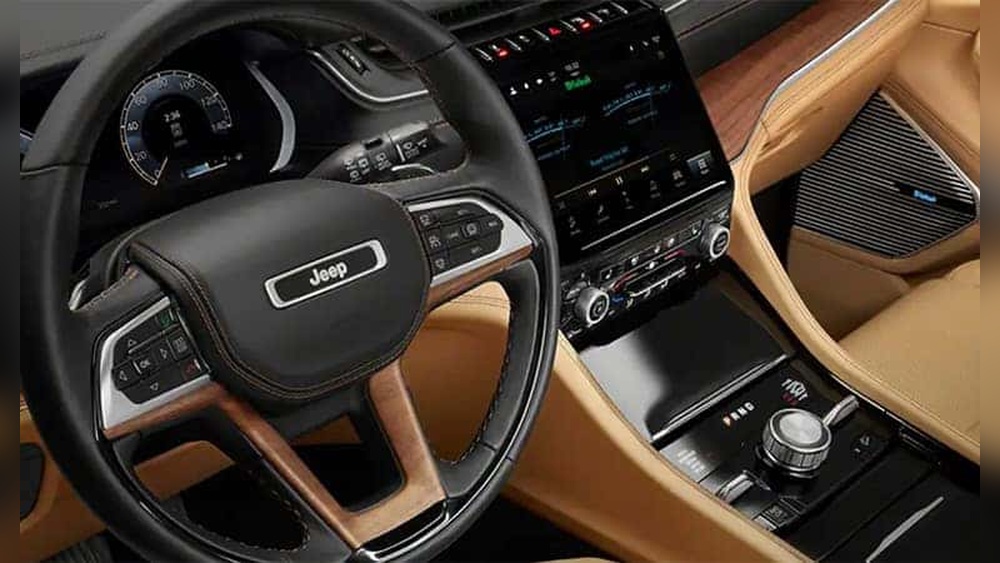
Knowing which system your Cherokee has is important. Check your owner’s manual or look for badges near the gear selector.
Steps To Put Your Jeep Cherokee In 4×4
Switching your Cherokee into 4×4 mode depends on the system installed. Follow these steps for each type:
Command-trac System
- Stop or slow down: For 4×4 High, you can shift while moving under 55 mph. For 4×4 Low, stop completely.
- Shift lever: Move the transfer case lever from 2WD to 4WD High for normal slippery roads. For serious off-road or deep snow, shift to 4WD Low.
- Check indicator: Look for the 4WD light on your dashboard. If it stays on, you’re in 4×4.
Selec-trac System
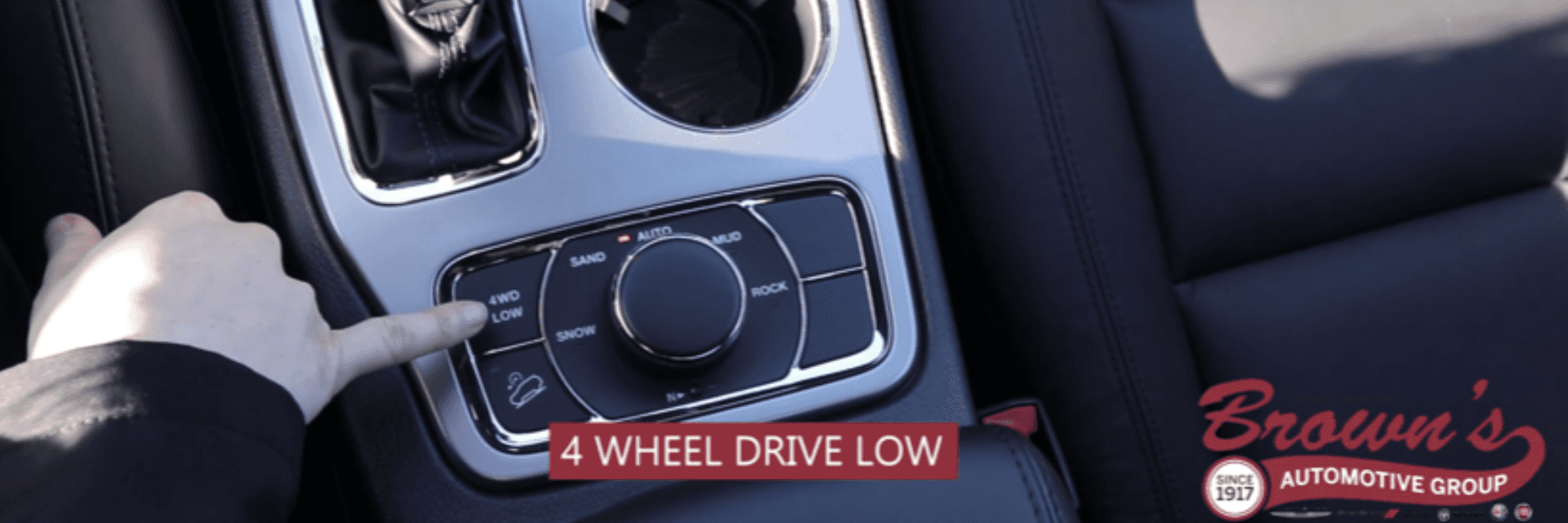
- Select mode: Turn the dial or press the button labeled “4WD Auto” or “4WD Low.”
- Confirm shift: The system will automatically engage. Wait for the dashboard light to confirm.
- Drive: You can now drive in 4×4. For extreme terrain, use “4WD Low.”
Active Drive System
- Let the system work: This system is always ready. If wheels slip, it automatically switches to 4WD.
- Optional manual mode: Some models let you press a button for “4WD Lock.” Do this for rough roads.
- Watch dashboard: The indicator light shows when 4WD is active.
A common mistake is trying to shift into 4×4 Low while driving fast. Always slow down or stop before using 4×4 Low, or you risk damaging the system.

When Should You Use 4×4?
Many Jeep owners ask when to use 4×4 mode. It’s not for everyday driving. Here are the best times to use it:
- Snow and ice: 4×4 improves grip and control.
- Mud and sand: Prevents getting stuck.
- Rocky or uneven terrain: Helps climb and move safely.
- Steep hills: Extra traction helps stability.
But don’t use 4×4 on dry pavement. It can cause tire wear and stress the drivetrain.
| Situation | Recommended 4×4 Mode |
|---|---|
| Light snow | 4WD High |
| Deep mud | 4WD Low |
| Rocks/off-road | 4WD Low |
| Normal road | 2WD |
Common Mistakes And How To Avoid Them
Many beginners make mistakes when using 4×4. Here are two problems most people miss:
- Leaving 4×4 engaged too long: If you keep 4×4 on dry roads, the system can overheat or wear out faster.
- Ignoring warning lights: If a warning light stays on after switching modes, something may be wrong. Don’t ignore it—check your manual or see a mechanic.
Another mistake is not knowing your system. Some Cherokees have automatic 4×4, so you don’t need to switch manually. Others require you to shift gears yourself.

Tips For Smooth 4×4 Operation
Driving in 4×4 isn’t just about shifting modes. Here are some tips for safe and smooth operation:
- Shift gradually: Always shift to 4×4 at low speed or when stopped.
- Avoid sudden turns: Sharp turns in 4×4 can strain the system.
- Check tires: Good tires help 4×4 work better. Uneven tires can reduce performance.
- Use 4×4 Low only when needed: This mode is for extreme conditions, not normal roads.
If you get stuck, don’t panic. Switching to 4×4 Low and gently rocking the vehicle can help you get free.
Real-world Example
Imagine you’re driving a 2018 Jeep Cherokee in heavy snow. The road is slippery, and your wheels start to spin. With Selec-Trac, you turn the dial to “4WD Auto.” The car immediately adjusts, sending power to all wheels. You drive safely, with better control and less risk of sliding.
Another driver in a 2022 Cherokee with Active Drive doesn’t need to do anything. The system senses wheel slip and activates 4×4 automatically. This saves time and reduces stress, especially for new drivers.
Maintenance And Safety Checks
Keeping your 4×4 system in good condition is important. Here are basic checks:
- Inspect fluid levels: Low transfer case fluid can cause problems.
- Listen for noises: Grinding or clunking sounds mean trouble.
- Check dashboard lights: Warning lights should never be ignored.
Regular maintenance helps your 4×4 last longer and keeps you safe. For more tips, visit the official Jeep maintenance guide.
Frequently Asked Questions
How Do I Know Which 4×4 System My Jeep Cherokee Has?
Check your owner’s manual or look for system badges near the gear selector. You can also find info online by searching your model year and trim.
Can I Switch To 4×4 While Driving?
Yes, you can shift to 4×4 High at speeds under 55 mph. For 4×4 Low, always stop the vehicle before shifting.
Is It Bad To Use 4×4 On Dry Pavement?
Yes. Using 4×4 on dry roads causes extra wear on tires and the drivetrain. Only use 4×4 when roads are slippery or rough.
What Should I Do If The 4×4 Indicator Light Stays On?
If the light stays on after switching modes, check your manual for troubleshooting. If you can’t fix it, visit a mechanic.
How Often Should I Maintain My 4×4 System?
Follow Jeep’s recommended schedule. Usually, have it checked at every oil change or every 12,000 miles.
Switching your Jeep Cherokee into 4×4 is easy once you understand your system and follow the steps. Using 4×4 wisely keeps you safe and protects your vehicle. With the tips in this guide, you’ll be ready for any road or weather—without worry.