If your Jeep ignition lock cylinder is jammed, broken, or you’ve lost the key, you might feel stuck. Many Jeep owners face this problem, especially as vehicles age or after buying a used Jeep. The good news is that you can remove the ignition lock cylinder even without a key, and you don’t need to be a professional mechanic. This guide will show you how, step by step, using simple tools and clear instructions. Before you begin, remember: work slowly, and double-check each step. Mistakes could damage your steering column, so patience pays off.
Understanding The Ignition Lock Cylinder
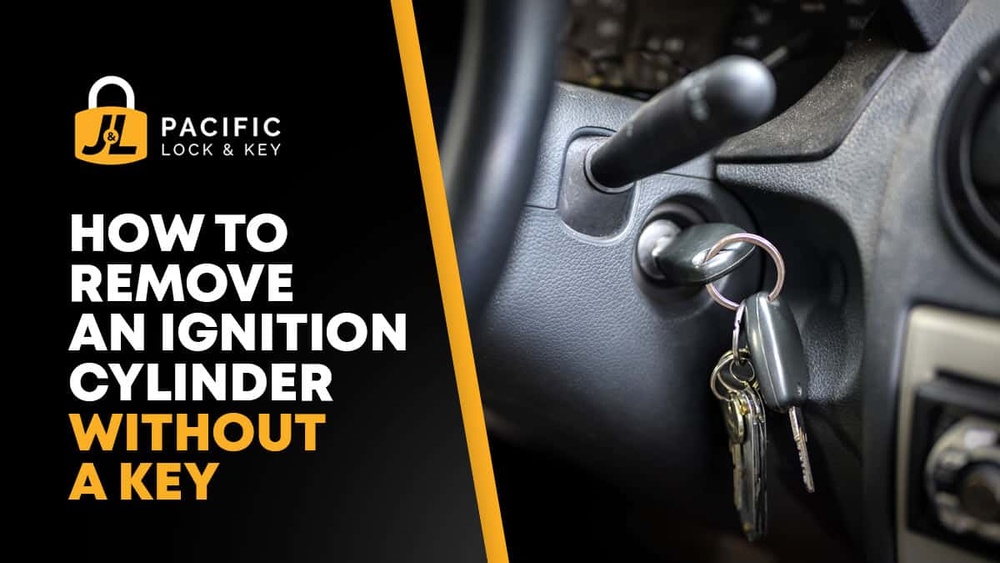
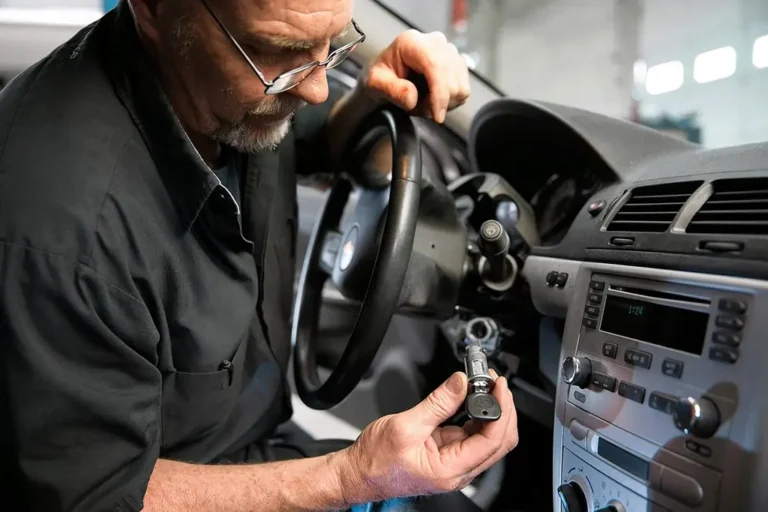
The ignition lock cylinder is where you insert your key to start your Jeep. It’s inside the steering column, and connects to the ignition switch. If you don’t have the key, removing the cylinder is harder, but possible. Older Jeep models (like the Wrangler YJ and Cherokee XJ from the 1990s) use more basic cylinders, while newer models have more security features.
Here’s a quick comparison of Jeep ignition lock cylinders:
| Model Year | Lock Cylinder Type | Security Features |
|---|---|---|
| 1990-2001 Cherokee | Basic mechanical | None |
| 2002-2010 Liberty | Mechanical with chip | Immobilizer chip |
| 2011-2021 Wrangler | Advanced electronic | Transponder, anti-theft |
Most DIY guides focus on older models, since newer ones often require professional tools and programming.
Tools And Materials You’ll Need
Before starting, gather these tools:
- Flathead screwdriver
- Phillips screwdriver
- Socket set (usually 8mm or 10mm)
- Steering wheel puller (optional, for tight columns)
- Needle-nose pliers
- Drill with a small bit (for stubborn cylinders)
- Replacement ignition lock cylinder
Some Jeep models also have plastic covers or screws that require a Torx driver. Always check your Jeep’s manual for the exact tool sizes.
Here’s a handy comparison of tool needs for different Jeep models:
| Model | Special Tools Needed | Difficulty (1-5) |
|---|---|---|
| Cherokee XJ | None | 2 |
| Liberty KJ | Torx driver | 3 |
| Wrangler JK | Steering puller | 4 |

Step-by-step Guide To Remove The Cylinder Without A Key
Follow these steps carefully. If your Jeep is newer than 2010, consult a dealer—this guide fits most older models.
1. Disconnect The Battery
Always disconnect the negative battery cable first. This prevents electrical shorts and keeps you safe.
2. Remove The Steering Column Covers
- Unscrew the bolts under the steering column.
- Gently pry off the plastic cover with a flathead screwdriver.
- Set the cover aside.
3. Locate The Ignition Lock Cylinder
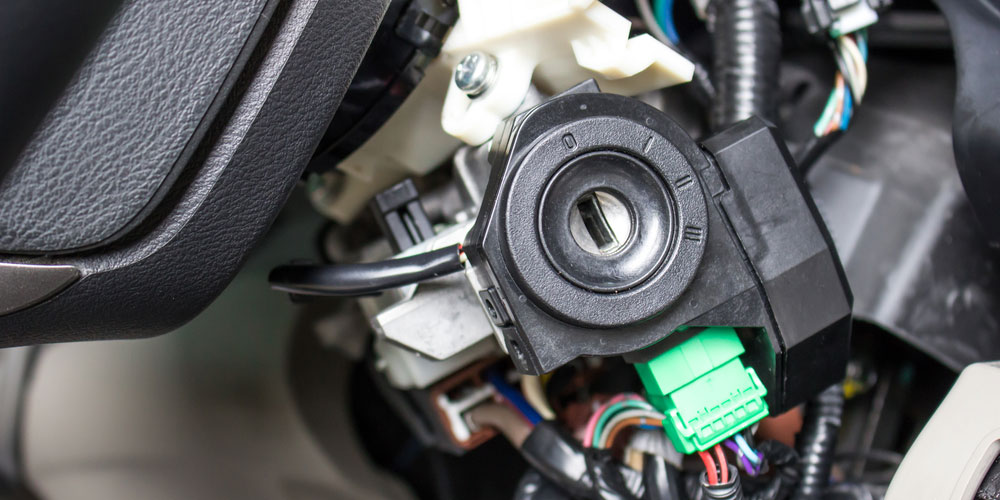
You’ll see the cylinder on the right side of the steering column. It’s usually held by a small retaining pin or screw.
4. Remove The Retaining Pin Or Screw
- Find the retaining pin below the cylinder. On most Jeeps, you push this pin in to release the cylinder.
- Without a key, you can’t turn the cylinder. Use a drill with a small bit to carefully drill into the pin area, loosening the cylinder.
- Be careful not to drill too deep. Stop as soon as you feel the pin move.
5. Extract The Ignition Lock Cylinder
- Use needle-nose pliers to pull the cylinder out.
- If it’s stuck, wiggle gently while pulling. Never force it—this could damage the housing.
- Once out, inspect the area for metal shavings or damage.
6. Install The New Cylinder
- Slide the new cylinder into place.
- Secure it with the retaining pin or screw.
- Reattach the steering column cover and reconnect the battery.
Tip: Test the new cylinder with its key before final assembly. If it doesn’t turn smoothly, remove and realign it.
Common Mistakes And How To Avoid Them
Many beginners rush the process. Here are common errors:
- Forcing the cylinder out: This can break the housing and make repairs expensive.
- Drilling too deep: You may hit wiring or internal parts. Drill slowly and check often.
- Skipping battery disconnect: This risks short circuits and injury.
- Using wrong tools: Using oversized screwdrivers or bits can damage screws and pins.
Always double-check your Jeep’s model year and cylinder design before starting. Some models have hidden screws or extra security features.
Practical Tips From Experienced Jeep Owners
- Lubricate the cylinder area with a spray like WD-40 before extraction.
- Label screws and covers as you remove them. This makes reassembly easier.
- If you’re unsure, take pictures at each step. Later, you’ll have a visual guide.
- Replacement cylinders cost $25–$80, depending on model and year.
- Most Jeep owners finish the job in 1–2 hours, but take your time if it’s your first time.
When Should You Call A Professional?
If your Jeep is a newer model (2011 and up), or if you see extra wires and sensors, stop and consult a locksmith or dealer. These models often need programming, and improper removal can trigger anti-theft systems.
If you feel lost during any step, or the cylinder won’t budge, don’t force it. Professional help can save money and prevent bigger repairs.
For more details on Jeep ignition systems, visit Wikipedia.
Frequently Asked Questions
How Long Does It Take To Remove The Ignition Lock Cylinder?
On older Jeeps, the process takes about 1–2 hours. If the cylinder is stuck or you need to drill, it may take longer.
Can I Remove The Cylinder Without Removing The Steering Wheel?
Usually, yes. Most Jeep models allow cylinder removal without taking off the steering wheel. But if space is limited, a steering wheel puller helps.
What Should I Do If The New Cylinder Doesn’t Turn?
Check if the cylinder is seated correctly. Sometimes the retaining pin isn’t aligned, or the cylinder isn’t pushed in all the way. Remove and reinstall carefully.
Is It Safe To Drive After Replacing The Cylinder Myself?
If you follow all steps and the new cylinder turns smoothly, it’s safe. Always test the steering and ignition before driving.
Will This Method Work On Newer Jeeps With Electronic Keys?
No. Newer models use transponder keys and electronic systems. Removing the cylinder without a key is much harder and can trigger security locks. Always check your Jeep’s manual and consult a professional if unsure.
Removing a Jeep ignition lock cylinder without a key is possible for most older models. With patience, the right tools, and careful steps, you can save money and fix your Jeep yourself. Always check your model’s specific requirements and don’t rush—damage could cost more than a locksmith. If you run into trouble or have a newer Jeep, professional help is best.