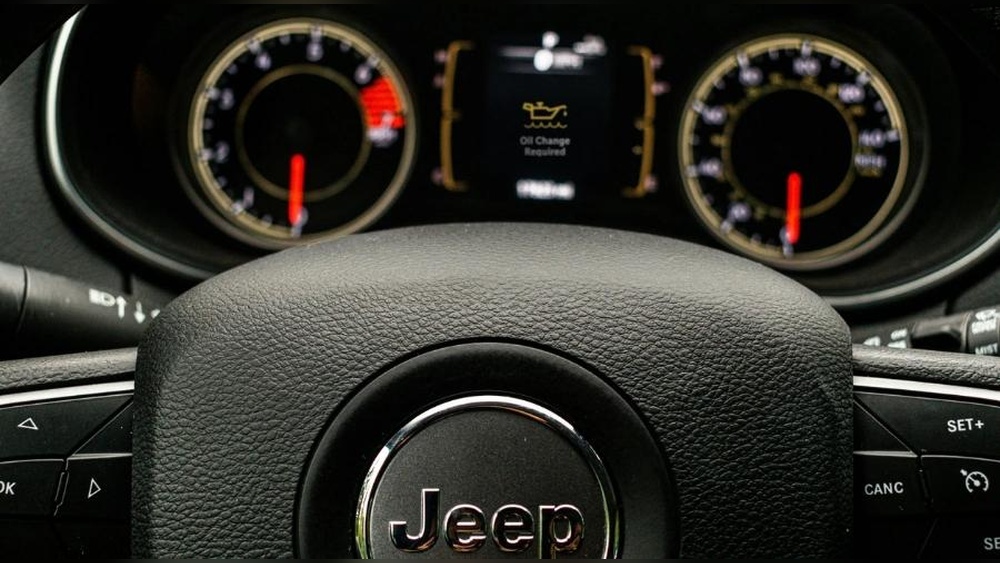
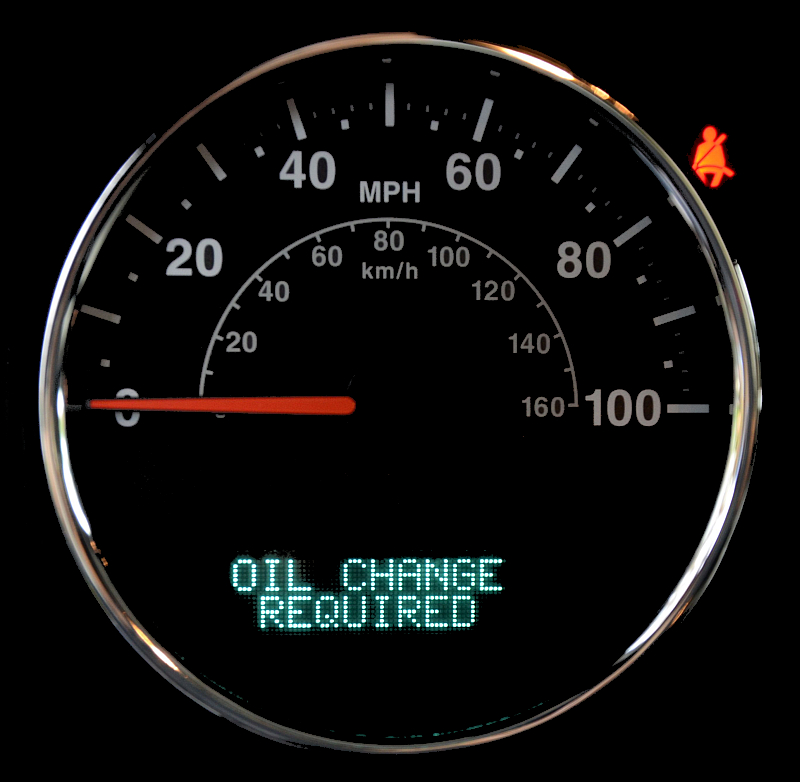
If you own a Jeep Wrangler, you probably see the “Oil Change Required” or “Oil Life” message on your dashboard after a few thousand miles. This alert doesn’t go away by itself after an oil change—the system expects you to reset it. Resetting oil life is important because it helps your Jeep track when you need your next oil change. If you ignore this step, you might miss critical maintenance, which could affect your engine’s health and performance.
Many Jeep owners are surprised by how simple—but sometimes tricky—the reset process can be. Each Wrangler model year may have small differences in the steps. This article explains how to reset the oil life on different Jeep Wrangler models, common mistakes to avoid, and practical tips to make the process easy.
Why Resetting Oil Life Matters
The oil life indicator is more than just a reminder. It’s a part of your Jeep’s onboard computer system that tracks engine conditions and driving habits. Resetting it after every oil change keeps your maintenance schedule accurate. If you forget, your Jeep may think the oil is older than it is, leading to unnecessary warnings—or worse, missing a real oil change when needed.
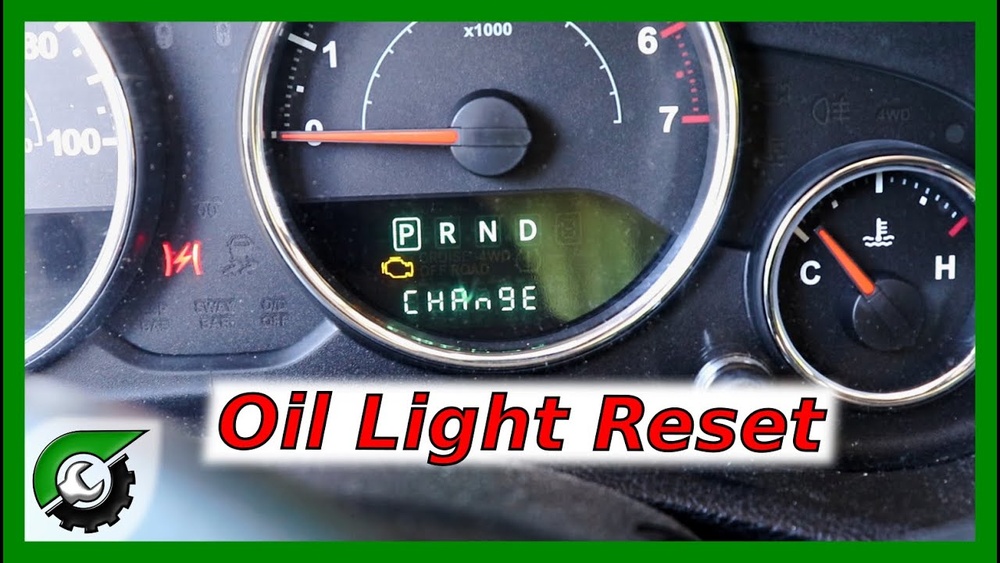
Neglecting to reset oil life can also lower your Jeep’s resale value. Service records and dashboard alerts are important for both you and future buyers.
How Oil Life Monitoring Works In Jeep Wrangler
The Jeep Wrangler uses sensors and algorithms to estimate oil condition. It considers:
- Engine temperature
- Trip length
- Engine load
- Time since last reset
It doesn’t measure oil quality directly but predicts based on usage. The system usually recommends oil changes between 3,500 to 7,500 miles, depending on your driving style and Wrangler model.
Here’s a quick comparison of oil life intervals for recent Jeep Wrangler models:
| Model Year | Oil Change Interval | Oil Life System? |
|---|---|---|
| 2010-2017 | 3,500-5,000 miles | Basic |
| 2018-2024 | 5,000-7,500 miles | Advanced |
Step-by-step: How To Reset Oil Life In Jeep Wrangler
The process depends on your Jeep’s model year and dashboard style. Always check your owner’s manual for the latest steps, but the following methods cover most Wranglers.
For 2018 And Newer Models (jl Series)
- Turn on the ignition without starting the engine. (Press the Start button twice or turn the key to “On,” but do not start.)
- Use the steering wheel controls to scroll through the menu.
- Select “Vehicle Info” using the left arrow. Then select “Oil Life. “
- Hold the OK button until the oil life resets to 100%.
- Turn off the ignition and restart your Jeep. Check that the oil life is now reset.
For 2007–2017 Models (jk Series)
- Insert the key and turn to “On” (do not start the engine).
- Press the accelerator pedal slowly three times within 10 seconds.
- Turn the ignition off.
- Start the vehicle. Confirm the oil life warning is gone.
For Older Models (tj And Earlier)
These models may not have a digital oil life system. Instead, they use a mileage sticker or manual record. If your Wrangler has an oil light, it usually resets automatically after repairs. If not, consult your owner’s manual or dealer.
Quick Comparison: Reset Steps By Model
| Model | Reset Method | Dashboard Type |
|---|---|---|
| JL (2018+) | Steering controls | Digital |
| JK (2007–2017) | Accelerator pedal | Analog/Digital |
| TJ (2006 & earlier) | Manual/none | Analog |
Common Mistakes And How To Avoid Them
Many Jeep owners miss these simple points:
- Not turning the ignition fully: The reset only works if the ignition is in the “On” position, not just accessory.
- Pressing the accelerator too fast/slow: For JK models, the three pedal presses must be smooth and within 10 seconds.
- Not confirming the reset: Always check the dashboard after restarting your Jeep.
- Skipping the reset after oil change: Some shops forget this step. Always double-check before leaving.
One surprising fact: If you use synthetic oil, your oil life system does not automatically extend the interval. The computer uses the same calculation for all oil types, so follow the recommended schedule.
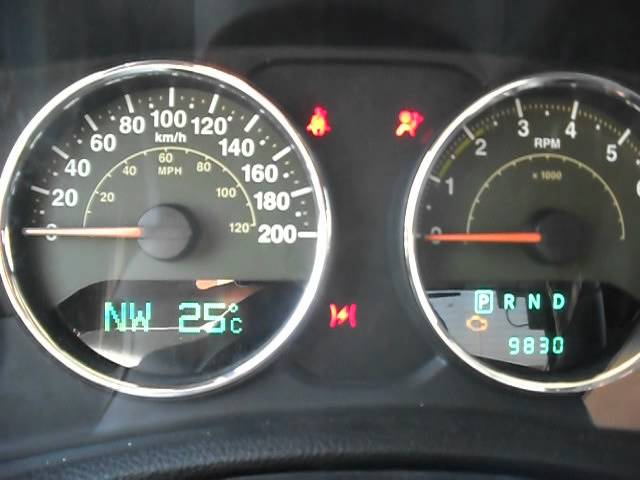
Troubleshooting: If Oil Life Won’t Reset
If your oil life indicator doesn’t reset:
- Try the steps again, making sure you follow the timing exactly.
- Check your vehicle’s battery. A weak battery can cause system glitches.
- Disconnect the battery for 10 minutes as a last resort (this resets all systems, so radio presets may be lost).
- Visit your Jeep dealer if the light stays on after several tries.
Sometimes, a malfunction in the instrument cluster or a faulty sensor can prevent proper reset.
Expert Tips For Oil Life Management
- Reset only after an oil change. Resetting without changing oil can damage your engine.
- Keep a written log or use a maintenance app as a backup.
- If you tow, drive off-road, or idle often, you may need more frequent oil changes.
- Pay attention to oil color and texture—not just mileage or dashboard alerts.
- Don’t ignore the “Check Engine” light, which signals more serious problems.
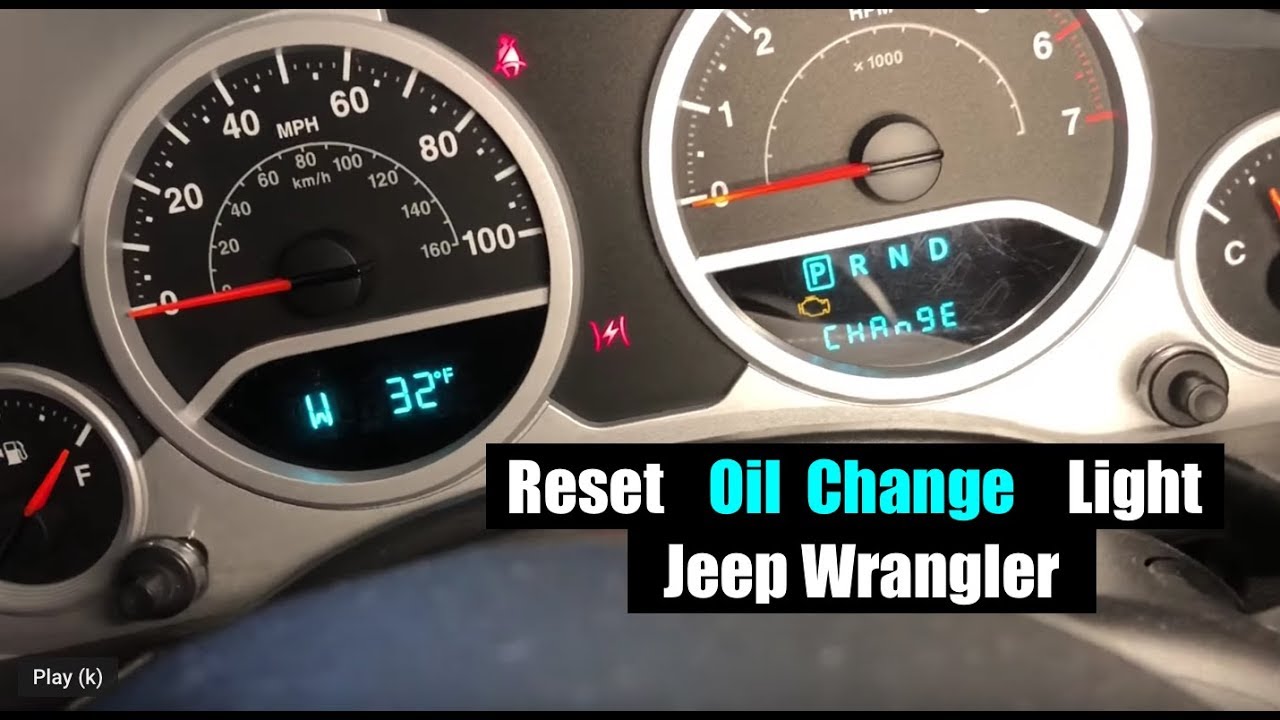
Frequently Asked Questions
How Often Should I Change Oil In My Jeep Wrangler?
You should change oil every 5,000 to 7,500 miles for most modern Wranglers. Older models may need changes every 3,000–5,000 miles. Always check your owner’s manual.
Can I Reset Oil Life Without Changing The Oil?
You can, but it’s not recommended. The system will think you have new oil, which can lead to engine wear or damage if you skip real oil changes.
What If The Oil Life Warning Stays On After Reset?
Try the reset steps again, following the instructions closely. If it still won’t reset, there could be an issue with the sensor or dashboard. Visit your dealer for diagnosis.
Does Using Synthetic Oil Affect The Oil Life Reset?
No, the reset process is the same for both synthetic and conventional oil. The system does not detect oil type; it’s based on miles and driving conditions.
Where Can I Find Official Instructions For My Wrangler?
You can find detailed instructions and maintenance tips in the official Jeep Wrangler owner’s manual, or visit the Jeep Owners website.
Resetting oil life in your Jeep Wrangler keeps your engine healthy and maintenance on track. With just a few simple steps, you can avoid confusion and keep your Jeep running smoothly for years to come.