When you turn your car key and see a “Starting System Fault” message, it can ruin your day. This warning means the vehicle’s starting system has a problem stopping the engine from starting. Many drivers get stuck, worried, and unsure about what to do next.
Fixing a starting system fault might sound technical, but with some guidance, you can often find the cause and solution yourself. This article will explain what a starting system fault is, why it happens, and how you can fix it step by step.
What Is A Starting System Fault?
A starting system fault is a warning from your car’s onboard computer. It shows there is a problem with the parts that help start the engine. These parts include the battery, starter motor, ignition switch, relays, and wiring. If any of these parts fail, the engine may not start.
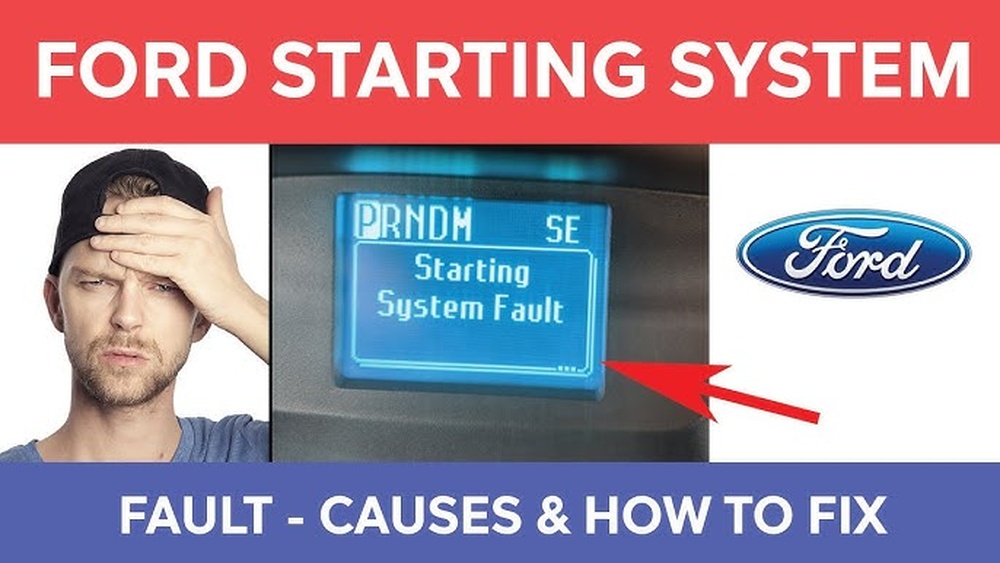
Modern cars use sensors and computers to check these systems. When something goes wrong, the car displays an error message, sometimes with a dashboard light. For example, Ford and some European cars use “Starting System Fault” to alert drivers.
Common Causes Of Starting System Fault
Understanding the main causes helps you solve the problem faster. Most faults come from a few key issues:
| Cause | Symptoms | Difficulty to Fix |
|---|---|---|
| Weak or Dead Battery | Dim lights, slow crank, clicking sound | Easy |
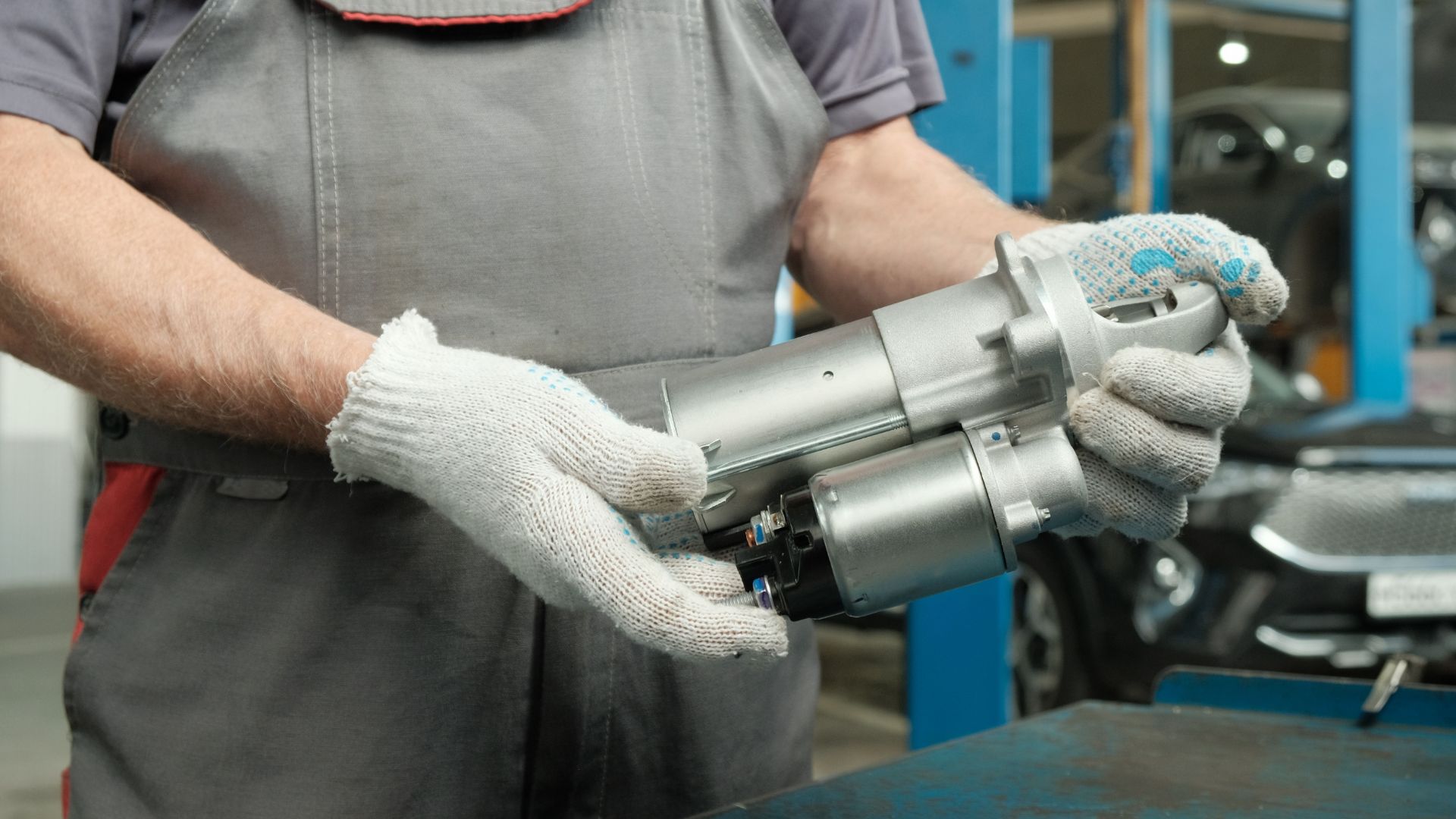
| Bad Starter Motor | No crank, single click, electrical smell | Moderate |
| Faulty Ignition Switch | No response from key, dashboard lights don’t turn on | Moderate |
| Blown Fuse or Relay | Sudden failure, no sound, other electronics work | Easy |
| Loose or Corroded Connections | Intermittent start, visible corrosion, wiggling wires helps | Easy |
Sometimes the fault is caused by more than one issue. For example, a weak battery can damage the starter motor over time.
Step-by-step: How To Fix Starting System Fault
Fixing a starting system fault can be simple or complex. Start with the easiest checks and move to more advanced steps if needed.
1. Check The Battery
A weak battery is the most common cause. Even if your headlights work, the battery might not have enough power for the starter.
- Make sure the battery terminals are tight and clean.
- Use a multimeter to test the voltage. It should read 12.4–12.7 volts with the engine off.
- If it’s low, try charging or jump-starting the battery.
2. Inspect Cables And Connections
Loose or corroded cables can stop power from reaching the starter.
- Look for white or green powder on terminals (corrosion).
- Clean terminals with a wire brush and reconnect them tightly.
- Wiggle cables to check for looseness.
3. Test The Starter Motor
If the battery is good, the starter motor could be the problem.
- Listen for a single click when turning the key. This means the starter solenoid is trying to work.
- Tap the starter lightly with a tool. If the car starts, the starter is failing.
- If there’s no sound, check for power at the starter with a test light.
4. Check Fuses And Relays
A blown starter fuse or relay will stop the engine from cranking.
- Find the fuse box (usually under the hood or dashboard).
- Use the car’s manual to locate the starter fuse and relay.
- Replace any blown fuses. Swap relays with a similar one to test.
5. Inspect The Ignition Switch
The ignition switch sends power to the starter. If it fails, nothing happens when you turn the key.
- Check if dashboard lights turn on when the key is turned.
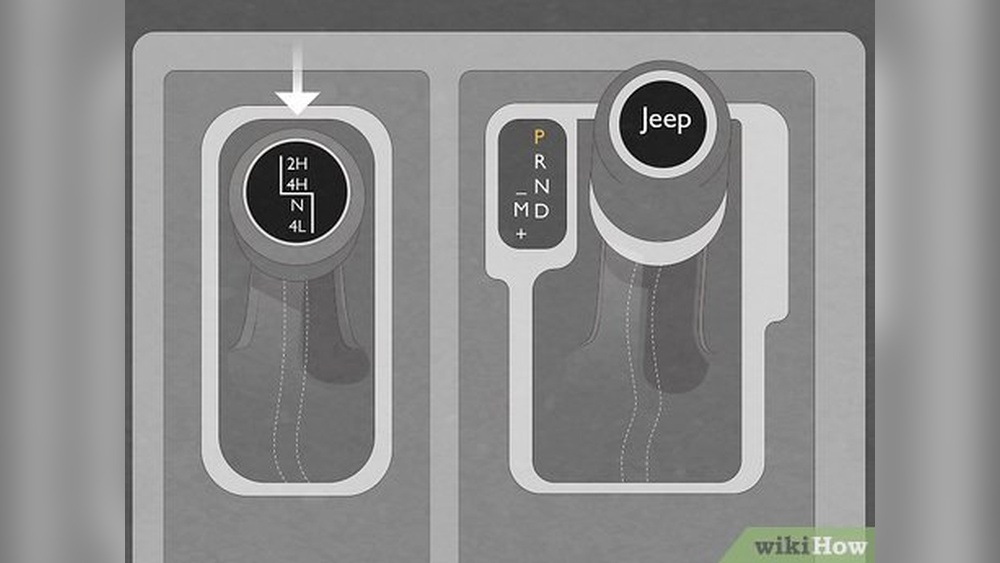
- Try starting the car in “Neutral” instead of “Park” (for automatics).
- If possible, use a spare key to rule out a bad key transponder.
6. Scan For Error Codes
Modern cars store error codes when something fails.
- Use an OBD-II scanner to read codes from the car’s computer.
- Codes like P0615 or P0622 often relate to starting faults.
- Clear codes after fixing parts to see if the fault returns.
When To Call A Professional
Some starting system problems need expert help. If you have tried all the above steps and the car still won’t start, it’s time to call a mechanic. Common signs that need a professional:
- You hear grinding or loud noises from the engine.
- The wiring is damaged or burnt.
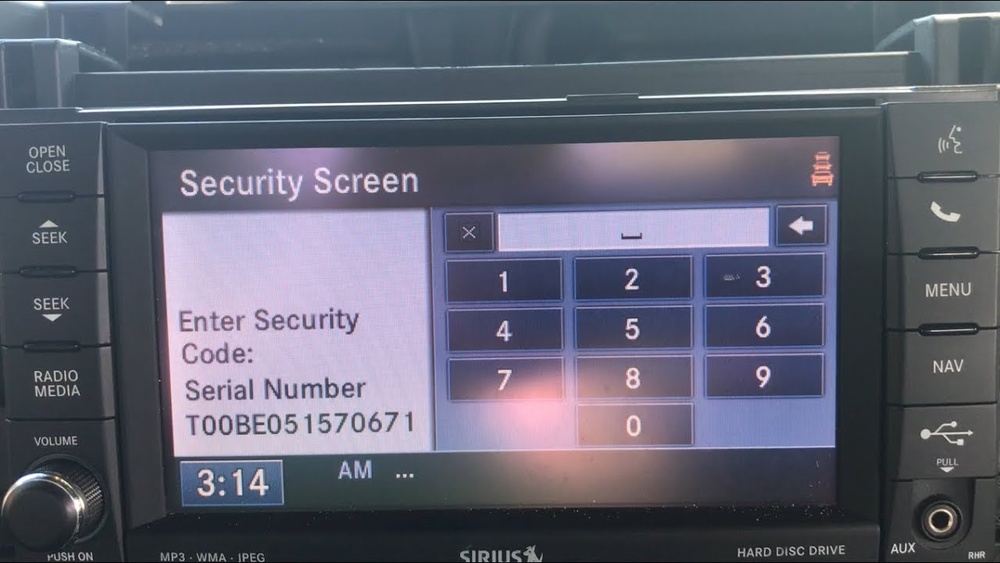
- Security system or computer faults (such as “Immobilizer Active”).
A mechanic can test the system with advanced tools and wiring diagrams. While DIY repairs save money, expert help can prevent bigger problems.
Preventing Future Starting System Faults
Fixing the problem is good, but preventing it is better. Here are some tips:
- Replace your battery every 3–5 years, even if it still works.
- Clean battery terminals every 6 months.
- Don’t ignore slow cranking or clicking sounds when starting.
- Keep spare fuses in your glove box.
- Check for recalls on your car’s starting system.
Many drivers forget that small electrical problems can cause bigger issues later. Regular checks can save you from being stranded.
Cost Comparison: Diy Vs Professional Repair
To help you decide, here’s a simple comparison of fixing starting system faults yourself versus going to a mechanic.
| Repair Type | DIY Cost (USD) | Professional Cost (USD) | Time Needed |
|---|---|---|---|
| Battery Replacement | $100–$200 | $150–$300 | 15–30 minutes |
| Starter Motor | $80–$200 | $300–$600 | 1–2 hours |
| Ignition Switch | $20–$80 | $150–$300 | 1–2 hours |
| Fuse/Relay | $5–$20 | $50–$100 | 5–10 minutes |
DIY repairs can save money, but only do them if you are confident and safe.

Non-obvious Insights
- A weak battery can still show good voltage but fail under load. Test with headlights on or use a load tester.
- Aftermarket alarms or remote starters can cause hidden starting faults, especially after recent installation or repair.
Many beginners overlook these details, causing them to replace good parts without solving the problem.
Frequently Asked Questions
What Does “starting System Fault” Mean On My Car?
It means the car’s computer found a problem in the starting system. This can include the battery, starter motor, wiring, or ignition switch.
Can I Drive With A Starting System Fault?
It is risky. The car may start now but could fail soon. Fix the issue as soon as possible to avoid being stranded.
Is A Starting System Fault Expensive To Fix?
The cost depends on the part. A battery or fuse is cheap, but a starter motor or ignition switch can be more costly. See the cost table above for details.
How Do I Know If My Battery Or Starter Is The Problem?
Test the battery with a voltmeter. If the battery is good and the car still won’t start, check for clicking sounds or try jump-starting. If the car starts with a jump, the battery is likely the problem.
Where Can I Find More Details On Starting Systems?
You can find more technical details at the Wikipedia starter motor page.
A starting system fault can feel stressful, but with these steps, you have a clear path to finding and fixing the problem. Regular maintenance and a little know-how will keep your car starting smoothly for years to come.