Adding coolant to your Jeep Liberty is more than just pouring liquid into a tank. It’s a key part of keeping your engine safe and performing well, especially in hot summers and cold winters. Many owners wait for a warning light or overheating before they think about coolant, but regular checks can save you from expensive repairs. If you’ve never done this before, don’t worry. With a little care and basic tools, you can refill your coolant in minutes.
Why Coolant Matters For Your Jeep Liberty
The coolant (or antifreeze) in your Jeep Liberty does two important things: it keeps the engine from overheating and prevents it from freezing in cold weather. The right coolant mix also stops rust and corrosion inside the engine. Running your Jeep with low or old coolant can cause engine damage, leaks, or even a blown head gasket. Noticing a puddle under your car, a sweet smell, or the temperature gauge rising? These are signs you need to check your coolant.
What You Need Before Adding Coolant
To get started, gather these items:
- Coolant/antifreeze: Check your owner’s manual for the right type. Most Jeep Libertys use a HOAT (Hybrid Organic Acid Technology) formula, usually orange or pink.
- Distilled water: If your coolant isn’t pre-mixed, you’ll need this to dilute it.
- Gloves and safety glasses: Coolant is toxic and can irritate skin and eyes.
- Funnel: To prevent spills.
- Rags or paper towels: For cleanup.
Never use tap water, as it can add minerals and cause buildup inside your engine.

How To Check Your Coolant Level
Before you add coolant, it’s important to check the current level. Here’s how:
- Make sure the engine is cold. Opening the cap on a hot engine can spray boiling coolant and cause burns.
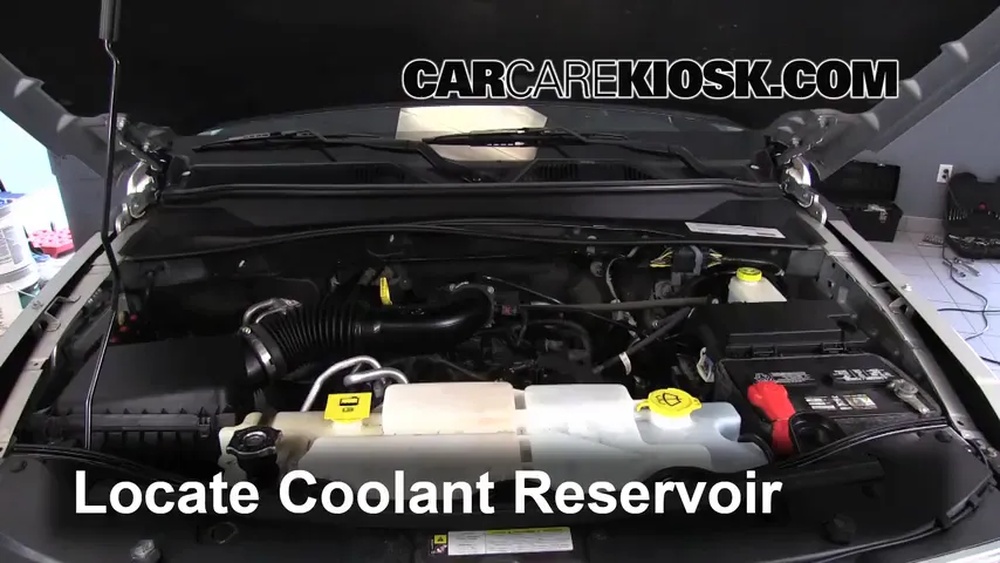
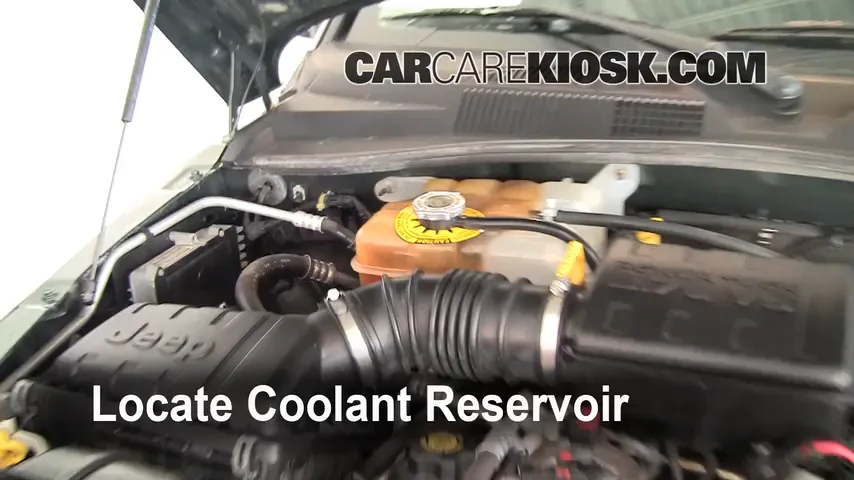
- Open the hood and find the coolant reservoir. It’s a translucent tank near the radiator, usually labeled.
- Look at the markings on the side. You’ll see “MIN” and “MAX” lines.
- If the level is below “MIN,” you need to add coolant.
If you notice the coolant is dirty, rusty, or has oil in it, don’t just top it off. Have a mechanic check for problems.
Step-by-step: How To Add Coolant On Jeep Liberty
Follow these steps for a safe, easy refill:
- Park your Jeep on a flat surface and turn off the engine. Let it cool for at least 30 minutes.
- Put on gloves and safety glasses.
- Slowly open the coolant reservoir cap by turning it counterclockwise. If you hear a hiss, wait for it to stop.
- If you’re using concentrated coolant, mix it 50/50 with distilled water in a clean container. Most premixed coolants are ready to use.
- Insert a funnel into the reservoir opening.
- Pour in the coolant until the level reaches the “MAX” line. Don’t overfill.
- Replace the cap tightly.
- Wipe up any spills with a rag.
- Start the engine and let it run for a few minutes with the heater on. Watch the temperature gauge and look for leaks.
- Recheck the level after the engine cools again. Add more if needed.
Common Mistakes To Avoid
- Adding coolant when the engine is hot – This can cause burns.
- Using the wrong coolant type – Mixing types can reduce protection and damage engine parts.
- Overfilling the reservoir – Too much coolant can build pressure and cause leaks.

Coolant Types: Which One Is Right For Jeep Liberty?
Not all coolants are the same. Here’s a quick comparison to help you pick the right one for your Jeep Liberty:
| Coolant Type | Color | Change Interval | Compatible With |
|---|---|---|---|
| HOAT | Orange/Pink | 5 Years / 100,000 Miles | Jeep Liberty (2002-2012) |
| IAT | Green | 2 Years / 30,000 Miles | Older Vehicles |
| OAT | Orange/Red | 5 Years / 150,000 Miles | Some Modern Cars |
Always check your owner’s manual or the label on your current coolant. Never mix different types unless it’s an emergency.
Signs Of Coolant Leaks And What To Do
Sometimes, adding coolant isn’t enough if you have a leak. Watch for these signs:
- Sweet smell from the engine
- Puddle under the car (usually green, pink, or orange fluid)
- Steam from under the hood
- Overheating or fluctuating temperature gauge
If you notice these, inspect hoses, the radiator, and clamps for cracks or looseness. Small leaks might be fixed by tightening a clamp, but bigger ones need a mechanic. Driving with a leak can lead to engine failure.
Cost And Time: What To Expect
Adding coolant to your Jeep Liberty is quick and cheap. Here’s what you can expect:
| Task | Time Needed | Estimated Cost |
|---|---|---|
| Check Coolant Level | 5 Minutes | Free |
| Add Coolant | 10-20 Minutes | $10-$20 (Coolant Only) |
| Flush System (if needed) | 1-2 Hours | $80-$150 |
Most owners only need to top off coolant once or twice a year, unless there’s a leak.
Extra Tips For Jeep Liberty Owners
- Check coolant before long trips. It’s easier to fix at home than on the road.
- Inspect hoses and clamps when you check coolant. Soft, cracked, or bulging hoses should be replaced.
- If you often need to add coolant, there may be a hidden leak. Don’t ignore this.
- Store leftover coolant safely away from kids and pets—it’s poisonous.
A common mistake is to forget about the coolant for years. Even if the level looks good, the chemicals in coolant break down over time. Plan to flush and replace the coolant every 5 years or 100,000 miles, as Jeep recommends. This protects your engine from corrosion and overheating.
Frequently Asked Questions
How Often Should I Add Coolant To My Jeep Liberty?
You shouldn’t need to add coolant often. If the level drops regularly, check for leaks. Normally, just check it every oil change and top off as needed.
What Type Of Coolant Does Jeep Liberty Use?
Most Jeep Libertys use HOAT coolant, which is orange or pink. Always confirm in your owner’s manual, as using the wrong type can harm your engine.
Can I Mix Different Coolants?
It’s best not to mix. Mixing different coolants can reduce protection, cause sludge, and lead to engine problems. Only mix in emergencies and flush the system soon after.
Is It Safe To Drive With Low Coolant?
No. Driving with low coolant can cause your engine to overheat, warp parts, or even break down completely. Top off as soon as possible.
Where Can I Learn More About Car Coolants?
For more details, visit the Wikipedia Antifreeze page for a deeper look at coolant chemistry and types.
Taking care of your Jeep Liberty’s coolant system is simple, but it’s one of the most important steps to keep your SUV running smoothly. With regular checks and the right fluid, you’ll avoid most overheating problems and enjoy a reliable drive for years.