Jump starting a Jeep Cherokee can feel stressful, especially if you have not done it before. A dead battery is a common problem, but knowing the right steps can save you time and money. This guide will show you exactly how to jump start your Jeep Cherokee safely and correctly, with practical tips to avoid mistakes. Whether you drive an older model or a recent year, these instructions will help you get back on the road quickly.
Tools And Preparation
Before you start, gather the necessary items. You will need:
- Jumper cables (heavy-duty, at least 10-gauge)
- A working vehicle with a 12-volt battery
- Safety gloves and glasses (recommended)
- Owner’s manual for your Jeep Cherokee
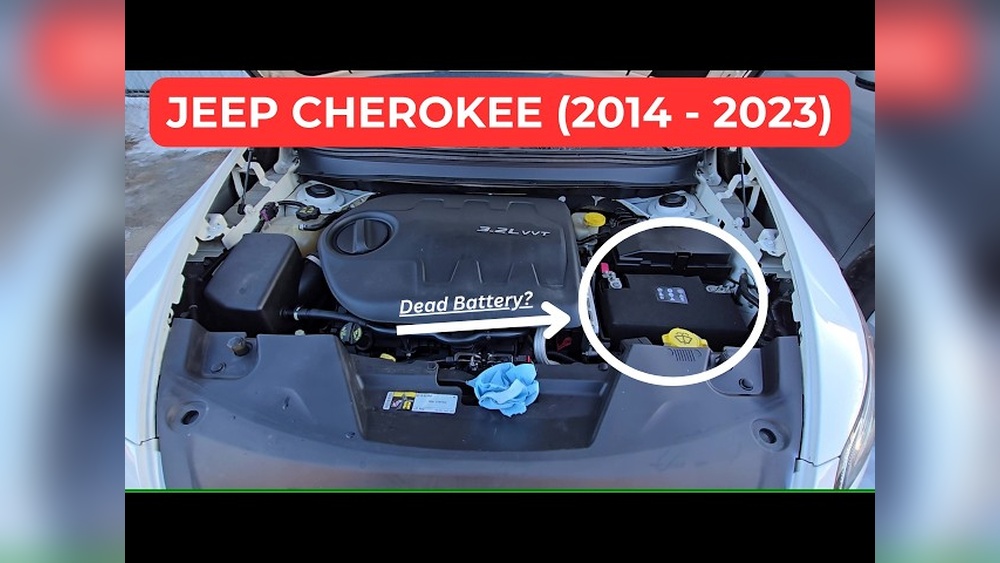
Check that both vehicles are in park (or neutral for manual transmissions), and that both ignitions are off. Engage the parking brakes. If you are unsure where the battery is located, most Jeep Cherokees have it under the hood, but always check your manual.
Step-by-step Jump Starting Process
Follow these steps to jump start your Jeep Cherokee:
- Open both hoods and locate the batteries. On some newer Jeep Cherokees, the battery may have a plastic cover. Remove it for access.
- Identify the positive (+) and negative (–) terminals on both batteries. The positive is usually marked with a red cover or a plus sign.
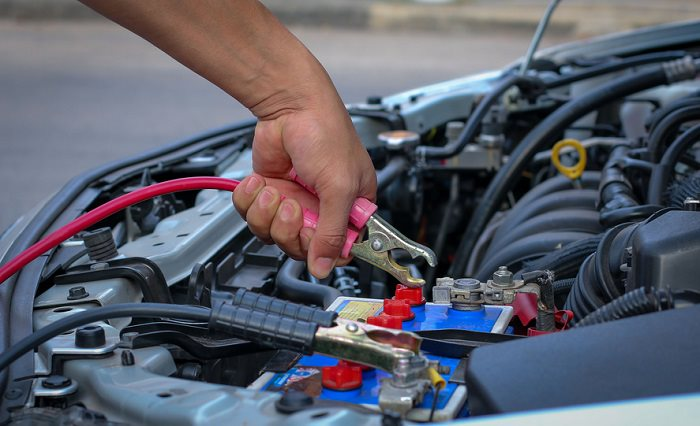
- Connect one red clamp to the dead battery’s positive terminal.
- Attach the other red clamp to the good battery’s positive terminal.
- Connect the black clamp to the good battery’s negative terminal.
- Attach the last black clamp to a metal, unpainted part of the dead car’s engine block—NOT the negative battery terminal. This reduces the risk of sparks near the battery.
- Start the working vehicle and let it run for 2–5 minutes.
- Try starting your Jeep Cherokee. If it doesn’t start, wait another few minutes before trying again.
- Once your Jeep starts, remove the cables in reverse order:
- Black clamp from your Jeep’s engine block
- Black clamp from donor battery
- Red clamp from donor battery
- Red clamp from your Jeep’s battery
Let your Jeep run for at least 20 minutes to recharge the battery.
Common Mistakes And How To Avoid Them
Many people make small errors when jump starting a car. Here’s how to avoid them:
- Wrong cable order: Mixing up the cables can cause sparks or battery damage. Always connect positive clamps first, then negative.
- Poor connection: Loose clamps won’t transfer power well. Make sure the clamps have solid contact.
- Using damaged cables: Frayed or old cables may not carry enough current, or can be dangerous.
- Connecting negative to negative: Always use a grounded metal part for the last black clamp, not the negative battery post.
Special Considerations For Jeep Cherokee
Jeep Cherokees, especially recent models, may have battery sensors or electronic features. Here are two important details:
- Stop/Start System: Some Cherokees have a secondary battery for the stop/start system. Jump starting does not power this second battery. If the feature does not work after a jump, this is normal and should reset after a full battery charge.
- Under-Hood Fuse Box: In some models, the jump start terminals are in the fuse box, not directly on the battery. Always check the manual for the correct location.

Safety Tips
Working with car batteries is safe if you follow these tips:
- Remove metal jewelry (like rings or watches) to avoid electric shock.
- Do not lean over the battery when connecting cables.
- Check for battery leaks or cracks—if you see damage, do not jump start.
- Keep flames and cigarettes away from the battery area.
Quick Reference: Cable Connection Order
Here’s a simple table to help you remember the cable connection and removal order:
| Step | Action | Where |
|---|---|---|
| 1 | Connect red clamp | Dead battery (+) |
| 2 | Connect red clamp | Good battery (+) |
| 3 | Connect black clamp | Good battery (–) |
| 4 | Connect black clamp | Engine block (dead car) |
Jeep Cherokee Battery Types And Location
Not all Jeep Cherokees use the same battery. Here’s a comparison for quick reference:
| Model Year | Battery Location | Battery Type |
|---|---|---|
| 2014–2022 | Under hood (right side) | Group 48 AGM |
| 2002–2013 | Under hood (left side) | Group 34/78 |
| 1990–2001 | Under hood (front) | Group 65 |
Using the correct battery type ensures better performance and longer life.
When A Jump Start Doesn’t Work
Sometimes, jump starting does not solve the problem. This might mean:
- The battery is completely dead and cannot hold a charge.
- There’s a problem with the starter or alternator.
- Corroded battery terminals are blocking the connection.
- A blown fuse or electrical issue is present.
If your Jeep Cherokee does not start after several tries, or if you hear a clicking sound, call for roadside assistance or a professional mechanic.
What To Do After Jump Starting
After your Jeep is running again:
- Keep the engine running for at least 20–30 minutes, or drive around.
- Turn off any non-essential electronics (radio, lights) to help the battery recharge.
- Check the battery terminals for corrosion—clean them if needed.
- If the battery dies again soon, get it tested. Many auto parts stores test batteries for free.
Useful Resources
For more about car batteries and jump starting, visit the Wikipedia page on jump starting.

Frequently Asked Questions
How Long Should I Leave The Jumper Cables Attached?
Keep the cables connected for about 2–5 minutes after starting the working car, then try starting your Jeep Cherokee. If it doesn’t work, wait a few more minutes before trying again.
Can I Use A Portable Jump Starter Instead Of Another Car?
Yes, a portable jump starter is safe for Jeep Cherokees if it’s rated for 12-volt systems. Always follow the device’s instructions.
What If I See Sparks When Attaching The Cables?
Small sparks are normal when connecting the final clamp. If you see large sparks or smoke, stop immediately—check for incorrect connections or damaged cables.
Will Jump Starting Hurt My Jeep’s Electronics?
Jump starting is safe when you follow the correct order and use good cables. Modern Jeep Cherokees are designed to protect electronics during a jump, but always avoid touching clamps together.
Why Does My Jeep Battery Keep Dying?
Common causes include old age, extreme temperatures, leaving lights on, or a failing alternator. If your battery dies often, have it checked by a professional.
Jump starting your Jeep Cherokee is a straightforward task with the right tools and knowledge. By following these steps, you can handle a dead battery safely and confidently. Remember to address the root cause to avoid repeated problems and keep your Jeep running smoothly.