If you’ve ever seen the “Service 4WD System” warning pop up on your Jeep Grand Cherokee’s dashboard, you know how frustrating it can be. This alert means your four-wheel-drive system needs attention—and ignoring it could lead to costly repairs or even leave you stuck when you least expect it.
But don’t worry; you don’t have to be a mechanic to handle this. In this guide, you’ll learn simple, step-by-step methods to reset your Jeep Grand Cherokee’s 4WD system yourself. Whether it’s a quick reset after routine maintenance or troubleshooting a stubborn error, you’ll gain the confidence to get your 4WD system back on track and keep your Jeep ready for any adventure ahead.
Keep reading to discover how easy it can be to reset and maintain your Jeep’s 4WD system like a pro.

Symptoms Of 4wd System Issues
The Jeep Grand Cherokee’s 4WD system is vital for tough terrains and safe driving. Recognizing early signs of 4WD system issues can prevent costly repairs. Understanding these symptoms helps you act fast and maintain your vehicle’s performance.
Warning Lights And Messages
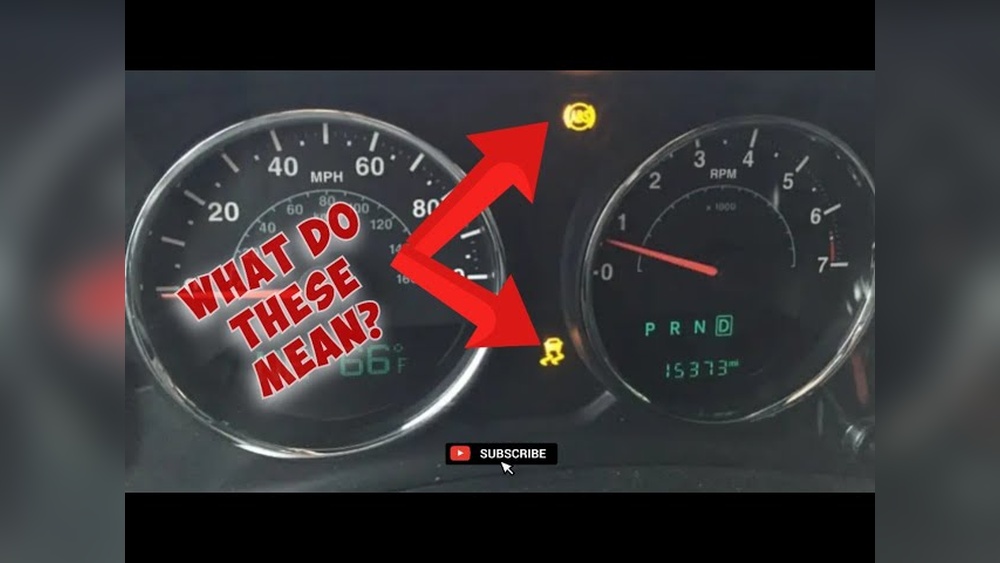
The most obvious sign of 4WD problems is warning lights on the dashboard. The 4WD or drivetrain warning light may turn on. Messages like “Service 4WD System” often appear on the display. These alerts mean the system detects a fault. Ignoring them can worsen the issue.
Performance Problems
Your Jeep may struggle to switch between 2WD and 4WD modes smoothly. You might hear unusual noises during 4WD engagement. The vehicle could slip or lose traction on rough roads. Sometimes, it feels harder to steer or control. These signs show the system is not working properly.
Common Error Codes
Diagnostic trouble codes (DTCs) help identify 4WD system faults. Common codes include P17F0, P17F1, and P17F2. These relate to transfer case actuator or sensor problems. A scanner tool can read these codes under the dashboard. Knowing the error codes speeds up diagnosis and repair.

Basic Reset Methods
Resetting the 4WD system on a Jeep Grand Cherokee can clear errors and improve performance. Basic reset methods help refresh the system and remove minor glitches. These resets are easy to perform and require no special tools. They are a good first step before visiting a mechanic.
Battery Disconnect Reset
Turn off the ignition and remove the key. Use a wrench to disconnect the negative (black) battery cable. Wait for about 15 minutes to allow the system to fully power down. Reconnect the battery cable and tighten it securely. Start the Jeep and check if the 4WD system warning has cleared.
Ignition Cycle Reset
Insert the key into the ignition and turn it to the “On” position without starting the engine. Leave it on for about 10 seconds. Turn the key to the “Off” position and wait for 5 seconds. Repeat this cycle three times in total. Start the engine and test the 4WD system to see if the reset worked.
Using The Tccm Power Cycle
The Transfer Case Control Module (TCCM) controls 4WD functions. Locate the TCCM, usually near the transfer case or inside the vehicle. Disconnect the power connector to the TCCM. Wait for 10 minutes to let the module reset. Reconnect the power connector and start the Jeep. This method often clears error codes and resets the 4WD system.
Diagnostic Tools For Reset
Resetting the Jeep Grand Cherokee’s 4WD system often requires diagnostic tools. These tools help identify issues and clear errors. Using the right tool makes the process simple and effective. Below are key tools used for diagnosing and resetting the 4WD system.
Obd-ii Scanner Use
The OBD-II scanner is a common tool for vehicle diagnostics. It plugs into the port under the driver’s dashboard. This scanner reads error codes from the 4WD system. It also clears codes after repairs or resets. Most OBD-II scanners are affordable and easy to use. They provide quick access to basic system information.
Jeep-specific Diagnostic Tools
Jeep-specific tools offer deeper access to the 4WD system. These tools communicate directly with Jeep’s control modules. They read detailed codes and system data. Some tools allow advanced functions like module resets or calibration. Using Jeep-specific diagnostics ensures accurate readings. It helps avoid issues that generic scanners might miss.
Reading And Clearing Codes
First, connect the diagnostic tool to the vehicle’s port. Turn the ignition on but do not start the engine. Use the tool to scan for stored trouble codes. Review the codes to understand the 4WD system problems. After resolving the issues, clear the codes using the tool. This action resets the 4WD system and turns off warning lights. Regular code reading and clearing maintain system health.
Checking Tire And Fluid Conditions
Knowing when to seek professional help for your Jeep Grand Cherokee 4WD system reset is crucial. Some problems go beyond simple resets and need expert care. Attempting fixes without proper knowledge might cause more issues. Professionals have the right tools and experience to handle complex 4WD system problems. Getting expert service saves time and protects your vehicle.
Service Center Reset Procedures
Service centers use specialized tools for resetting the 4WD system. They can read and clear diagnostic trouble codes (DTCs) properly. Technicians follow manufacturer guidelines to ensure accurate resets. They also check related components for hidden problems. This thorough approach keeps the system running smoothly after reset.
Documenting Service For Warranty
Professional service centers provide detailed records of all work done. These records help maintain your vehicle’s warranty. Proper documentation shows that resets and repairs were done correctly. It protects you if future claims arise. Always keep service receipts and reports safe for warranty purposes.
Avoiding Further Damage
Resetting the 4WD system without the right knowledge can cause damage. Incorrect resets may trigger warning lights or fail to fix the issue. Professionals know how to avoid risks and fix problems safely. Early professional help prevents costly repairs later. Trust experts to protect your Jeep’s drivetrain and overall health.
Frequently Asked Questions
What Does It Mean When Your Jeep Says Service 4wd System?
“Service 4WD system” on your Jeep means the four-wheel-drive system needs inspection or repair. It may indicate sensor, transfer case, or drivetrain issues. Address it promptly to avoid further damage. Use an OBD-II scanner or visit a mechanic for accurate diagnosis and reset.
How To Reset Service 4wd Jeep Grand Cherokee?
Turn off the ignition and disconnect the negative battery cable for 10 minutes. Reconnect and start the Jeep to reset 4WD service. Use an OBD-II scanner for persistent errors or visit a mechanic for a professional reset.
How Do I Reset My 4wd Service Light?
Turn off the ignition and disconnect the negative battery cable for 10 minutes. Reconnect and start the vehicle. Use an OBD-II scanner if the light remains.
Can I Still Drive With The Service 4wd Light On?
Driving with the service 4WD light on is not recommended. It indicates a drivetrain issue that may affect vehicle safety and performance. Have a mechanic diagnose and fix the problem promptly to avoid further damage and ensure safe driving.
Conclusion
Resetting the Jeep Grand Cherokee’s 4WD system can clear common errors fast. Always follow proper steps to avoid damage. Keep tire sizes matched and check transfer case fluid regularly. Use an OBD-II scanner to find specific trouble codes. If problems persist, seek help from a qualified mechanic.
Regular maintenance helps your 4WD system work smoothly. Taking care of your Jeep ensures safer and more reliable drives. Simple resets can save time and avoid costly repairs later. Stay attentive to warning lights and act quickly.