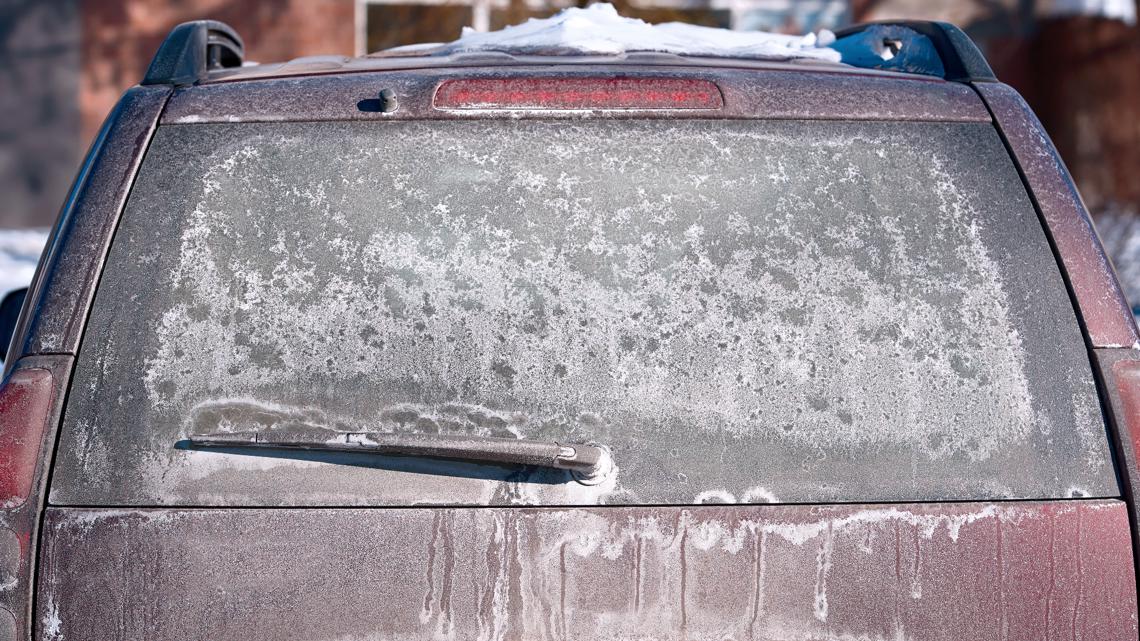
Winter roads are often treated with salt to melt ice and improve driving safety. While this helps prevent accidents, it creates a new problem for car owners: salt residue on the windshield. This white, powdery film can quickly block your view, making driving dangerous. Worse, salt is corrosive and can damage your windshield and wipers over time. If you’ve ever struggled with streaky glass after a snowy drive, you’re not alone. Learning how to get salt off your windshield effectively can keep your vision clear and your car in better shape all winter long.
Why Salt Is Hard To Remove
Salt crystals can stick tightly to glass, especially when mixed with slush or mud. Standard windshield wipers often just smear the salt around, making things worse. The problem is even bigger if the salt dries on the glass, leaving a stubborn haze that’s difficult to wipe away with just water or regular cleaning.
Quick Steps To Remove Salt From Your Windshield
Removing salt is easy if you use the right methods. Here’s a step-by-step guide:
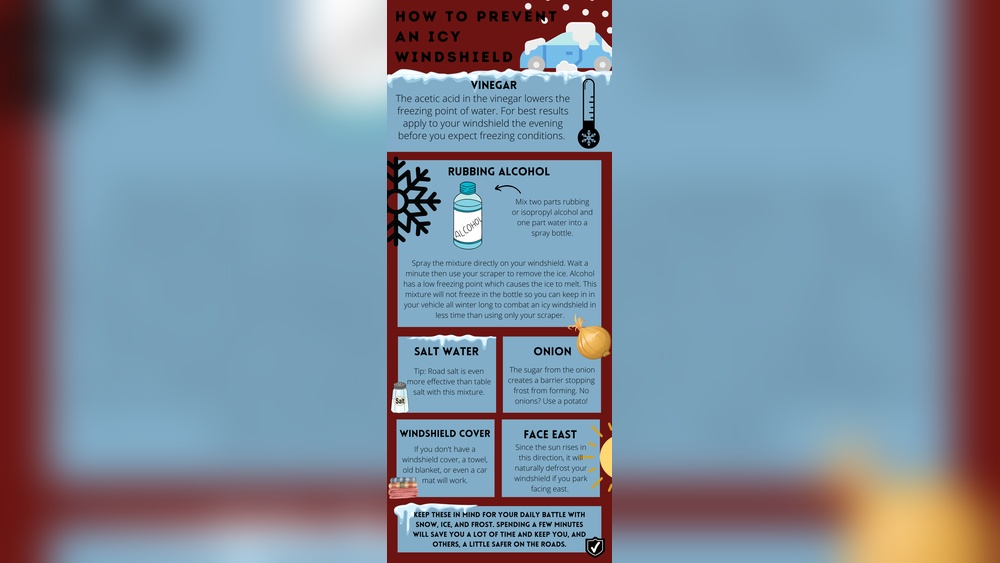
1. Rinse With Water
Start by rinsing your windshield with plenty of lukewarm water. This helps dissolve and loosen the salt before you start scrubbing. Avoid using hot water, as sudden temperature changes can crack cold glass.
2. Use A Windshield Cleaner
Choose a cleaner designed for automotive glass. Spray it generously over the windshield, focusing on visible salt stains.
3. Wipe With A Microfiber Cloth
Use a clean, soft microfiber cloth to wipe the glass in circular motions. Microfiber is gentle on glass and good at picking up fine salt particles.
4. Repeat If Needed
Stubborn salt spots may need a second round. Spray cleaner again and wipe until the glass is clear.
5. Check And Clean Wiper Blades
Salt often hides under the wiper blades. Lift them and wipe with the same glass cleaner. This stops them from spreading more salt the next time you use them.
Homemade Cleaning Solutions
If you don’t have commercial windshield cleaner, you can make a simple solution at home. Here are two popular options:
- Vinegar Solution: Mix 3 parts vinegar with 1 part water. Spray on the windshield and wipe with a microfiber cloth. Vinegar helps dissolve salt but has a strong smell.
- Dish Soap Solution: Mix a few drops of dish soap in a quart of warm water. This breaks up grease and salt. Rinse well after cleaning to avoid streaks.
Comparing Cleaning Methods
Here’s how different salt removal methods stack up:
| Method | Effectiveness | Cost | Time Needed |
|---|---|---|---|
| Commercial Glass Cleaner | High | Medium | 5-10 min |
| Vinegar Solution | Medium | Low | 5-10 min |
| Dish Soap Solution | Medium | Low | 5-10 min |
| Water Only | Low | Low | 2-5 min |
Extra Tips For Salt-free Windshields
- Use winter-grade washer fluid. These fluids have special chemicals to break down salt and prevent freezing.
- Replace wiper blades often. Old blades can scratch the glass or leave streaks, especially when there’s salt buildup.
- Apply a water-repellent treatment. Products like Rain-X help water and salt slide off more easily, making future cleaning faster.
- Park in a garage or covered area when possible to avoid salt spray from traffic and plows.
Mistakes To Avoid
Many people make simple errors when trying to clean salt off their windshield. Avoid these common mistakes:
1. Using Hot Water On A Cold Windshield
This can crack the glass due to sudden temperature change.
2. Scrubbing With Abrasive Sponges Or Brushes
These can scratch your windshield, making it easier for salt and dirt to stick in the future.
3. Ignoring The Wiper Blades
Dirty blades will keep reapplying salt to your clean glass.
4. Letting Salt Sit For Days
The longer salt stays on your windshield, the harder it is to remove and the more damage it can cause.

How Salt Affects Visibility And Safety
Salt residue may seem harmless, but it can be risky. Studies have shown that dirty windshields can reduce driver visibility by up to 50%. In low sunlight or with oncoming headlights, salt streaks can create glare, making it hard to see the road. According to the National Highway Traffic Safety Administration, poor visibility is a factor in many winter accidents. Keeping your windshield clear is more than just a cosmetic issue—it’s a safety one.
How Often Should You Clean Salt Off?
In areas where roads are salted often, you should clean your windshield at least once a week during winter. After each snowstorm or road salting, check for buildup. It’s easier to remove fresh salt than dried, caked-on residue.
Here’s a simple frequency comparison:
| Driving Condition | Recommended Cleaning Frequency |
|---|---|
| Daily driving on salted roads | Every 2-3 days |
| Occasional winter driving | Once a week |
| No exposure to road salt | As needed |

Preventing Salt Buildup
Prevention can save you time and effort. Here are some effective ways:
- Wax your windshield. This adds a protective layer, making it harder for salt to stick.
- Top off washer fluid regularly. Running out during a drive can leave you with a dangerously dirty windshield.
- Drive behind other cars at a safe distance. This reduces spray from their tires.
One non-obvious tip is to clean your windshield at the end of the day, not just before driving. Overnight moisture can react with salt, making it even harder to remove the next morning.
If you want to learn more about safe winter driving and car care, the American Automobile Association offers useful guides at AAA Winter Driving Tips.
Frequently Asked Questions
What Is The Best Cleaner For Removing Salt From Windshields?
A commercial automotive glass cleaner is the most effective. Homemade mixtures like vinegar and water also work well for light salt buildup.
Can Windshield Wipers Alone Remove Salt?
No, wipers often just smear the salt. You need to use water and a cleaner to fully remove the residue.
Is It Safe To Use Vinegar On My Windshield?
Yes, diluted vinegar is safe for glass but avoid using it on painted surfaces or near rubber seals as it can cause damage over time.
How Do I Stop Salt From Sticking To My Windshield?
Applying a water-repellent treatment like Rain-X helps prevent salt and water from clinging to the glass.
Will Salt Damage My Windshield Over Time?
Yes, salt is corrosive. It can etch the glass and damage wiper blades if left on too long. Regular cleaning helps prevent this.
Keeping your windshield free from salt is a simple habit that can make winter driving much safer. With the right tools and techniques, you’ll enjoy a clearer view and a longer-lasting windshield all season.