If you own a Jeep XJ, you know how important the four-wheel drive system is for tackling tough terrain and tricky weather. But what happens when that four-wheel drive dash light suddenly comes on?
You might feel a mix of confusion and concern—should you keep driving, or is something seriously wrong? Understanding what this dash light means and how to respond can save you time, money, and frustration. You’ll learn exactly what the Jeep XJ four-wheel drive dash light is signaling, common reasons it lights up, and simple steps you can take to diagnose and fix the issue.
Keep reading to take control of your Jeep’s 4WD system and drive with confidence again.
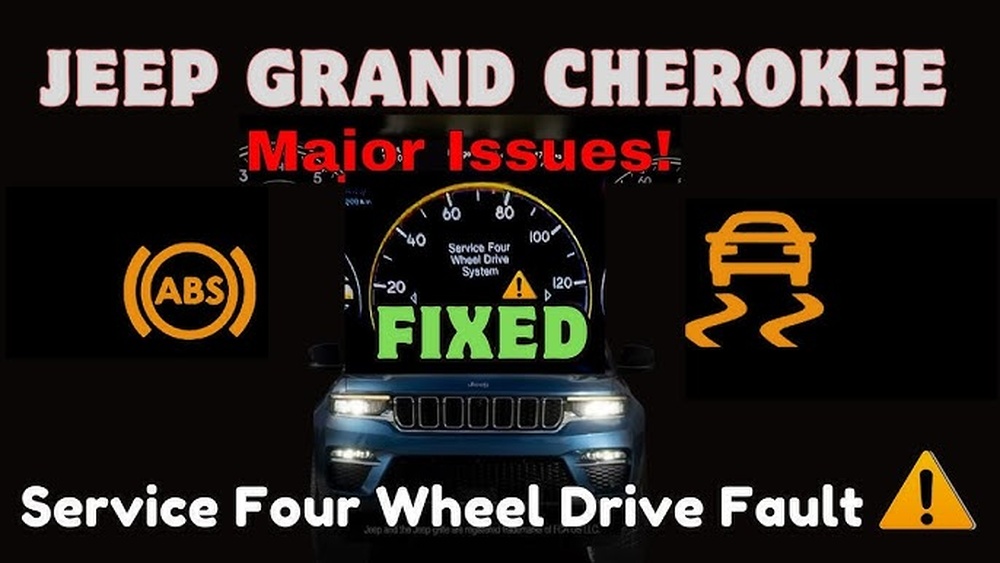
Jeep Xj 4wd Dash Light Basics
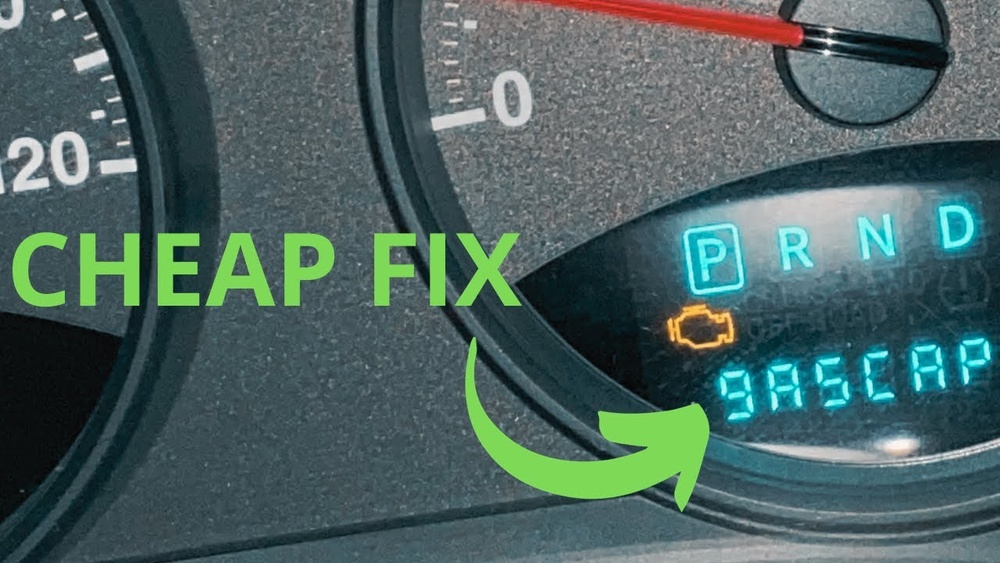
The Jeep XJ 4WD dash light is a key indicator on your dashboard. It informs you about the status of the four-wheel-drive system. This light helps drivers know when 4WD is active or if there is a problem.
Understanding this dash light is important for safe driving and vehicle care. It can save you time and money by alerting you to issues early.
What The 4wd Dash Light Indicates
The 4WD dash light turns on when you engage the four-wheel-drive system. It confirms that the system is working and power is going to all wheels. The light usually stays on while 4WD is active. If the light blinks or stays on after switching off 4WD, it may signal a problem. This warning helps prevent damage to the drivetrain and ensures proper vehicle handling.
Common Causes Of Light Activation
The 4WD dash light can activate for several reasons. One common cause is switching from two-wheel drive to four-wheel drive. Another cause is a faulty sensor or switch in the 4WD system. Electrical issues like bad wiring or a blown fuse can also trigger the light. Sometimes, the light turns on due to low fluid levels in the transfer case. Knowing these causes helps you troubleshoot and decide when to seek professional help.
Diagnosing Dash Light Issues
Fixing dash light problems on your Jeep XJ four-wheel drive system helps keep your vehicle safe and reliable. A faulty dash light can confuse or mislead you about the 4WD status. Quick and proper repairs restore clear signals and ensure your system works well. The following steps cover common fixes that anyone can follow with basic tools.
Repairing Damaged Wiring
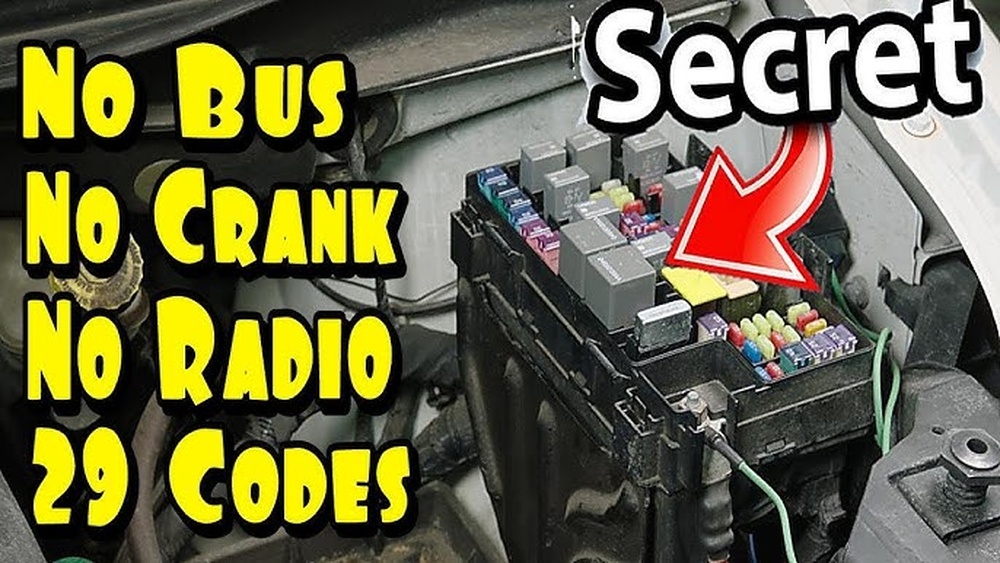
Damaged wiring often causes dash light issues. Look for frayed or broken wires near the 4WD switch and sensors. Use a multimeter to test wire continuity. Replace or splice damaged sections with quality wire and connectors. Secure wires away from heat or moving parts to prevent future damage. Proper wiring repair restores the electrical path for the dash light.
Replacing Faulty Switches And Sensors
Switches and sensors control the 4WD dash light. A worn switch or bad sensor can cause the light to stay on or not light at all. Remove the switch or sensor and test it with a multimeter. Replace any part that fails the test. Use OEM or compatible parts for the best fit and function. New switches and sensors provide accurate 4WD status to the dash light.
Resetting The 4wd System
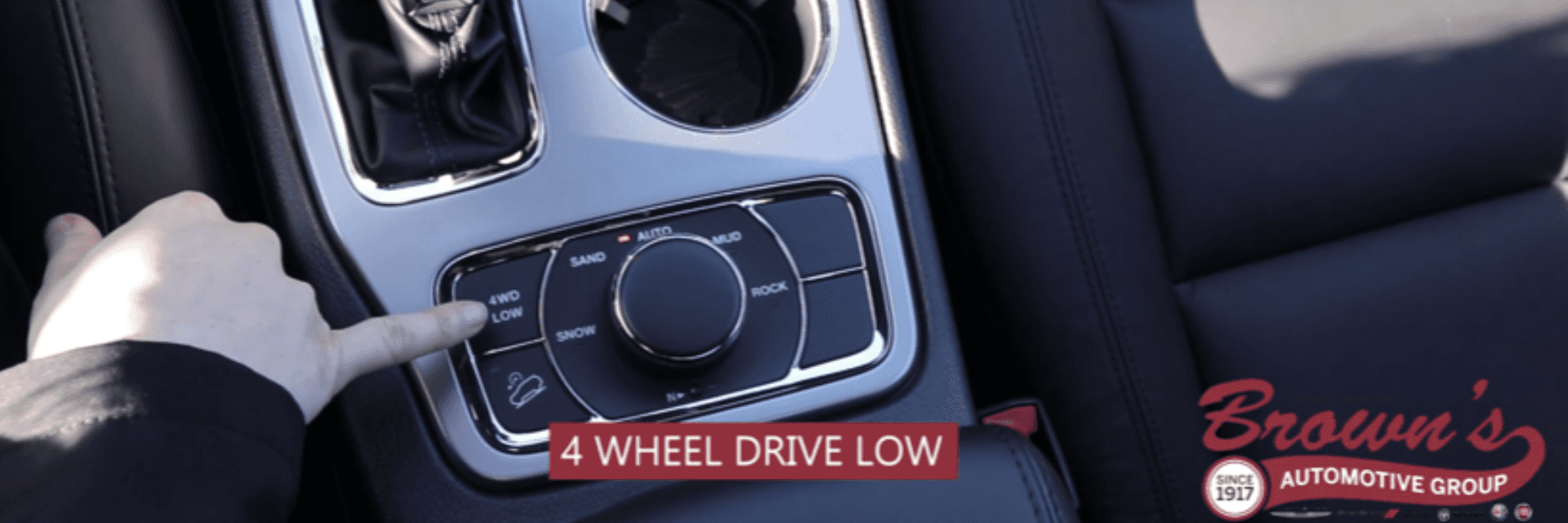
Sometimes the 4WD system needs a reset to fix dash light problems. Turn off the engine and disconnect the battery for a few minutes. Reconnect the battery and start the Jeep. Shift the 4WD selector through each mode slowly, pausing for a few seconds. This process recalibrates the system and clears minor errors. Resetting often clears false dash light warnings and restores normal operation.
Fixing Dash Light Problems
The Jeep XJ four wheel drive dash light signals important information about your vehicle’s drivetrain. Knowing when to seek professional help can prevent costly damage and ensure your 4WD system works properly. Some issues require expert knowledge and tools beyond basic troubleshooting. Recognizing these situations helps keep your Jeep safe and reliable on and off-road.
Complex Electrical Issues
Electrical problems with the 4WD dash light can be tricky. Faulty wiring or a bad sensor often causes the light to stay on or flash. These issues need a skilled technician to diagnose and fix. Incorrect repairs may lead to more electrical faults or unsafe driving conditions. Professionals have the experience to handle Jeep XJ’s specific electrical system safely.
Transfer Case Repairs
The transfer case controls power distribution to the wheels. Problems here can trigger the four wheel drive dash light. Repairing or replacing the transfer case parts requires mechanical expertise. Professional mechanics know how to disassemble, inspect, and rebuild the transfer case correctly. Avoid DIY attempts that could worsen damage or cause drivetrain failure.
Diagnostic Tools And Equipment
Modern 4WD systems need advanced diagnostic tools to identify issues. Professional shops use scanners and meters designed for Jeep XJ models. These tools read error codes from the vehicle’s computer and provide precise information. Proper diagnosis helps target the exact cause of the dash light alert. DIY methods often miss hidden problems or give false results.


Frequently Asked Questions
What Does It Mean When The 4wd Light Comes On In A Jeep?
The 4WD light in a Jeep signals the four-wheel drive system is active or detects a fault. Check system engagement or consult a mechanic.
What Is The 4 Wheel Drive Symbol On My Dashboard?
The 4 wheel drive symbol on your dashboard indicates that your vehicle’s 4WD system is engaged or active. It alerts you when power transfers to all wheels for better traction. If it stays on or flashes, it may signal a system issue needing inspection.
What Would Cause A 4wd Light To Come On?
A 4WD light may come on due to faulty sensors, damaged wiring, low fluid levels, or issues with the transfer case or actuator.
Can I Still Drive With The Service 4wd Light On?
Driving with the service 4WD light on is not recommended. It may indicate system issues affecting safety and performance. Have your vehicle checked promptly to avoid further damage or loss of control.
Conclusion
The Jeep XJ four wheel drive dash light helps you know when 4WD is active. Pay attention to this light to keep your Jeep working well. Fix any flickering or issues quickly to avoid bigger problems. Regular checks and simple repairs can save time and money.
Stay safe and enjoy your off-road adventures with confidence.