If you’re a Jeep Wrangler owner, you know that changing your wheels isn’t just about looks—it’s about performance and safety. But once you swap those wheels, what about your Tire Pressure Monitoring System (TPMS)?
Ignoring TPMS setup can lead to warning lights and inaccurate readings, which could put you and your vehicle at risk. In this guide, you’ll learn exactly how to change your Jeep Wrangler’s wheels and set up the TPMS correctly, so you can hit the road with confidence.
Ready to save time, avoid costly mistakes, and keep your Wrangler running smoothly? Keep reading to master this essential maintenance step.
Wheel Removal Basics
Removing the wheels on a Jeep Wrangler is the first step in changing tires or setting up the Tire Pressure Monitoring System (TPMS). Proper removal ensures safety and prevents damage to wheel components. Follow clear steps to lift the vehicle, remove the wheel, and inspect key parts. This process prepares your Jeep for new wheels or TPMS sensors.
Jack Placement And Lifting
Start by parking your Jeep on a flat, stable surface. Engage the parking brake to keep the vehicle from moving. Locate the Jeep’s designated jack points under the frame near each wheel. These spots are reinforced to handle the vehicle’s weight safely.
Place the jack securely under the jack point. Slowly pump the jack handle to lift the Jeep until the tire is off the ground. Make sure the vehicle is steady before proceeding. Use jack stands to support the Jeep if available. Never work under a vehicle supported only by a jack.
Taking Off The Wheel
Before removing the wheel, loosen the lug nuts slightly while the tire is still touching the ground. This prevents the wheel from spinning. Once lifted, fully unscrew the lug nuts in a star pattern. This ensures even removal and avoids warping the wheel.
Pull the wheel straight off the hub. Set it aside carefully. Check if the wheel is stuck due to rust or dirt. If so, tap gently with a rubber mallet to free it. Do not use excessive force to avoid damage.
Inspecting Wheel Components
With the wheel removed, check the brake rotor or drum for wear or damage. Look at the wheel hub and studs for rust or cracks. Clean any dirt or debris from the hub surface. Inspect the lug nuts for stripped threads or damage.
Check the TPMS sensor inside the wheel if it is accessible. Ensure it is intact and not leaking. Early inspection helps avoid issues when installing new wheels or tires. Keeping components in good shape improves vehicle safety and performance.

Removing Jeep Wrangler Wheels
The Tire Pressure Monitoring System (TPMS) is an important feature on your Jeep Wrangler. It helps you keep track of tire pressure. Proper tire pressure improves safety and fuel efficiency. Understanding TPMS is key when changing wheels or tires on your Jeep. This guide explains how TPMS works, the types of sensors used, and common problems you might face.
How Tpms Works
TPMS uses sensors to monitor the air pressure inside each tire. These sensors send data to your Jeep’s computer. If pressure drops below a safe level, a warning light appears on your dashboard. This alert helps you avoid driving on underinflated tires. Some systems measure pressure directly. Others estimate pressure from wheel speed data.
Types Of Tpms Sensors
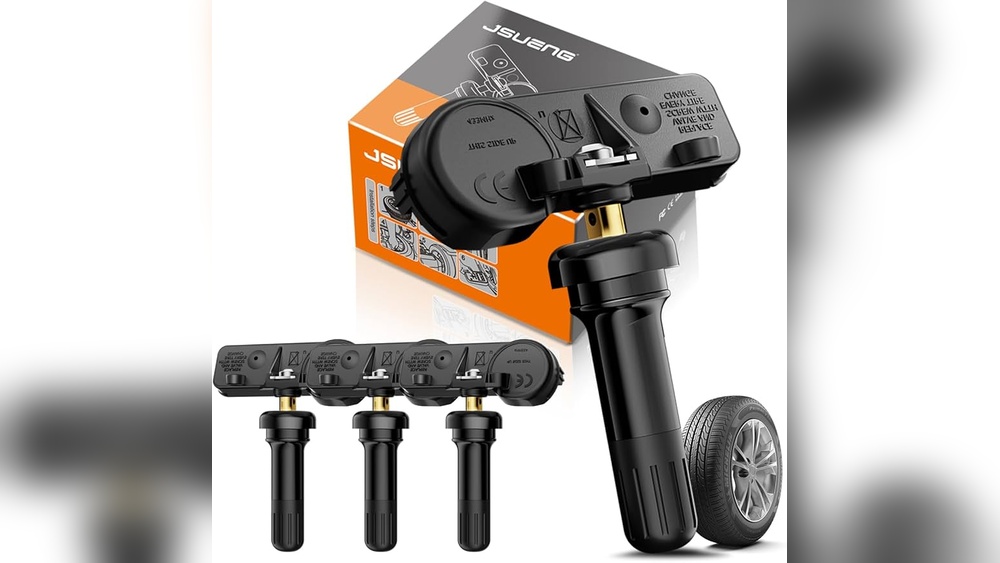
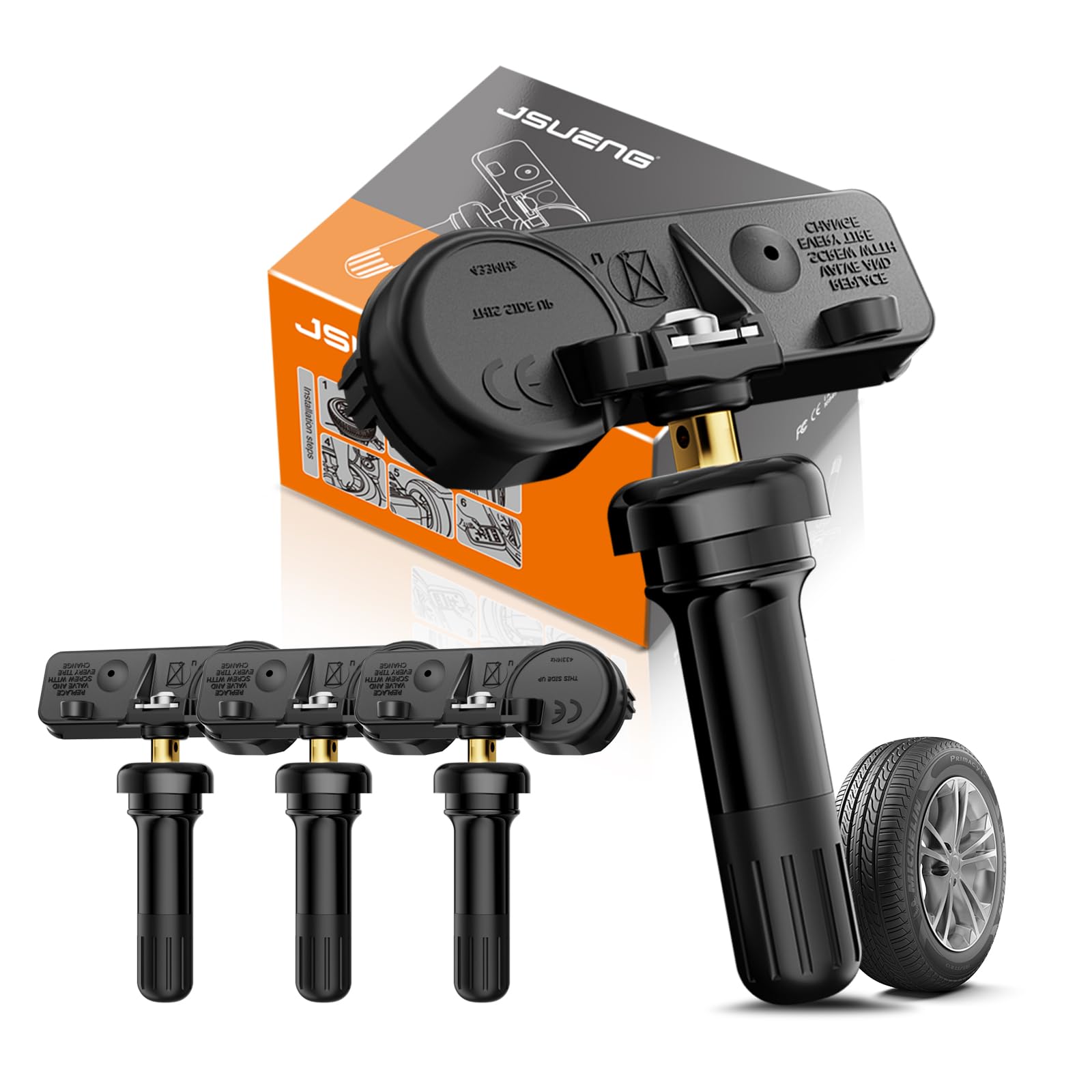
There are two main types of TPMS sensors: direct and indirect. Direct sensors are inside the tire and measure pressure in real time. They send pressure readings wirelessly to your Jeep’s receiver. Indirect sensors do not measure pressure directly. Instead, they track wheel rotation speeds to detect low pressure. Most Jeep Wranglers use direct TPMS sensors for accuracy.
Common Tpms Issues
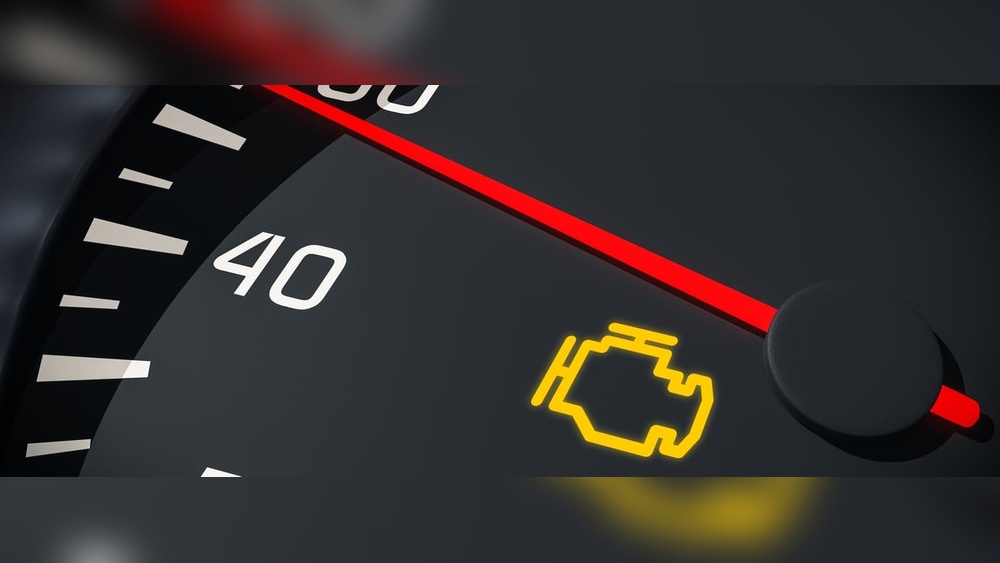
TPMS can have issues after changing wheels or tires. Sensors may need to be reset or reprogrammed. If sensors are damaged or batteries die, the system won’t work properly. Dirt or corrosion on sensor valves can cause false alerts. Sometimes, the TPMS light stays on if sensors do not communicate with the Jeep’s computer. Regular checks keep the system reliable.
Installing New Wheels
Transferring TPMS sensors is a key step when changing wheels on your Jeep Wrangler. These sensors monitor tire pressure and keep you safe on the road. Moving them correctly saves time and money. It also ensures your TPMS system works without error lights or warnings.
Reusing Old Sensors
You can often reuse TPMS sensors from your old wheels. Carefully remove the sensors without damage. Clean them before installing on the new wheels. This keeps the original sensor IDs linked to your Jeep. It helps avoid extra programming or sensor replacement costs.
Sensor Compatibility
Make sure your old sensors fit the new wheels. Different wheel models may need specific sensor types. Check the sensor size and valve stem style. Confirm compatibility with your Jeep’s model year. Using the wrong sensors can cause TPMS errors or signal loss.
When To Replace Sensors
Replace TPMS sensors if they show signs of wear or damage. Sensors have batteries that last about 5-10 years. Dead batteries mean no pressure data for your Jeep’s system. Also, replace sensors if they don’t fit the new wheels. Fresh sensors ensure accurate readings and reliable alerts.

Tpms Overview For Jeep Wrangler
Programming TPMS sensors on your Jeep Wrangler ensures the system accurately monitors tire pressure. This step is crucial after changing wheels or installing new sensors. Proper programming helps prevent warning lights and keeps your ride safe.
The process varies by model and tools available. Some methods use specialized devices, while others rely on manual or automatic resets. Understanding each option helps you choose the best approach for your Jeep.
Using Tpms Reset Tools
TPMS reset tools are designed to communicate directly with your sensors. These devices activate each sensor to sync it with your vehicle’s system. Simply connect the tool near the tire valve and follow the device instructions.
This method is fast and reliable. It works well for new sensors or when replacing tires. Most auto shops and Jeep dealers have these tools available.
Manual Reset Procedures
Manual reset involves using your Jeep’s dashboard controls. Locate the TPMS reset button, often near the steering wheel or inside the glove box. Press and hold the button until the TPMS light blinks or turns off.
Drive your Jeep for a few minutes at speeds above 25 mph. This helps the sensors re-learn their positions. Manual resets suit minor tire changes or sensor recalibration.
Jeep’s Auto Learn Feature
Some Jeep Wrangler models include an auto learn feature. This allows the vehicle to detect new sensor IDs automatically. After installing new wheels, simply drive your Jeep to trigger this learning mode.
The system scans each sensor and updates its database. This feature eliminates the need for reset tools or manual intervention. It works best if sensors are compatible and properly installed.
Transferring Tpms Sensors
Maintaining the TPMS (Tire Pressure Monitoring System) and wheels on your Jeep Wrangler is crucial for safe and efficient driving. Proper care helps avoid unexpected tire issues and keeps the system working accurately. Regular upkeep extends the life of your wheels and sensors while ensuring your Jeep performs well on all terrains.
Regular Pressure Checks
Check your tire pressure weekly. Use a reliable gauge to measure each tire. Keep pressure at manufacturer-recommended levels. Proper pressure improves fuel efficiency and tire wear. Low or high pressure can trigger TPMS warnings. Maintaining correct pressure prevents damage and ensures safety.
Sensor Battery Life
TPMS sensors have batteries that last about 5 to 10 years. Weak batteries cause inaccurate readings or sensor failure. Replace sensors if the TPMS light stays on. Some sensors allow battery replacement, but often the whole sensor must be changed. Keep track of sensor age during wheel changes.
Seasonal Wheel Changes
Many Jeep owners switch wheels for different seasons. Store off-season wheels in a cool, dry place. Before reinstalling, inspect tires and sensors for damage. Clean wheels and sensors to remove dirt and debris. After mounting, reset or relearn the TPMS if needed. Proper handling prevents sensor errors and tire problems.
Frequently Asked Questions
Can I Transfer My Tpms Sensors To New Wheels?
Yes, you can transfer TPMS sensors to new wheels. Ensure sensors fit and reset or relearn the system afterward for proper function.
How To Program New Tpms Sensors On Jeep Wrangler?
To program new TPMS sensors on a Jeep Wrangler, use a TPMS relearn tool. Activate each sensor by following the tool’s instructions. Drive the vehicle briefly to complete the relearn process. The system will recognize new sensors and reset the warning light automatically.
How Does Tpms Work When Changing Wheels?
TPMS works by detecting tire pressure via sensors in each wheel. After changing wheels, reset or relearn TPMS to sync new sensors. If old sensors stay, no reset is needed. Use a TPMS tool or vehicle’s system to complete the setup and avoid warning lights.
Does Jeep Tpms Need To Be Programmed?
Jeep TPMS sensors usually require programming or a relearn process after installation. This ensures proper sensor recognition and accurate tire pressure monitoring.
Conclusion
Changing wheels on your Jeep Wrangler is straightforward with the right steps. Setting up the TPMS ensures safe and accurate tire pressure monitoring. Always check your sensors after installation to avoid warning lights. Resetting the TPMS might be necessary if you install new sensors.
Keeping your TPMS working well helps maintain vehicle safety and tire life. Follow simple instructions, and your Jeep will be ready for the road. Regular checks prevent issues and keep your driving smooth and safe.