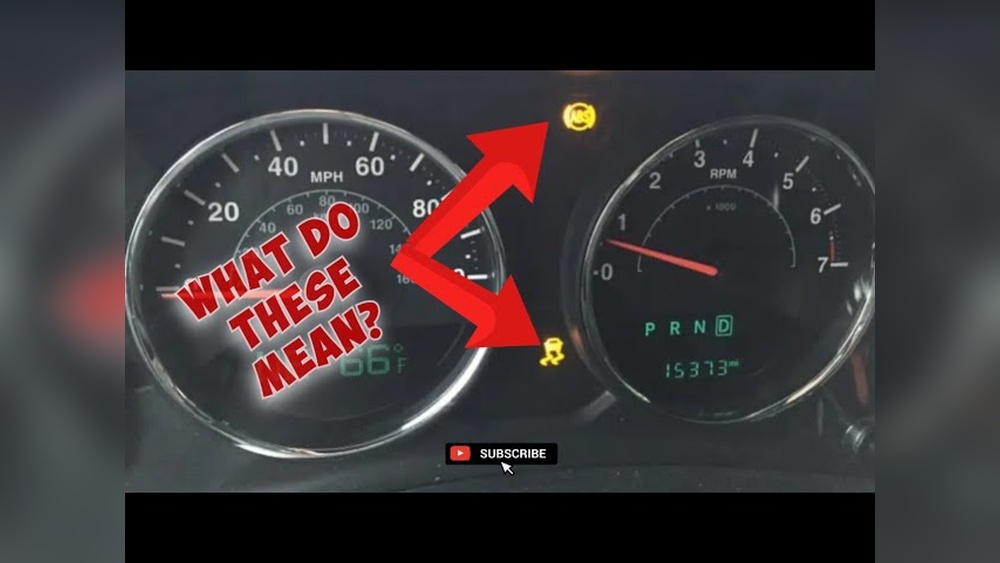
If your Jeep Grand Cherokee’s ABS light just turned on, you’re probably wondering what it means and how to fix it fast. That blinking or steady warning light isn’t just a random alert—it’s your vehicle telling you there might be an issue with your anti-lock braking system.
Ignoring it could put your safety at risk or lead to costly repairs. But don’t worry—you don’t need to panic or rush to a mechanic right away. You’ll discover simple, clear steps to reset the ABS light on your Jeep Grand Cherokee.
Whether it’s a quick fix or a sign of something more serious, you’ll learn how to identify common causes and get your light off so you can drive with confidence again. Keep reading—you’re just moments away from taking control of your Jeep’s ABS system.
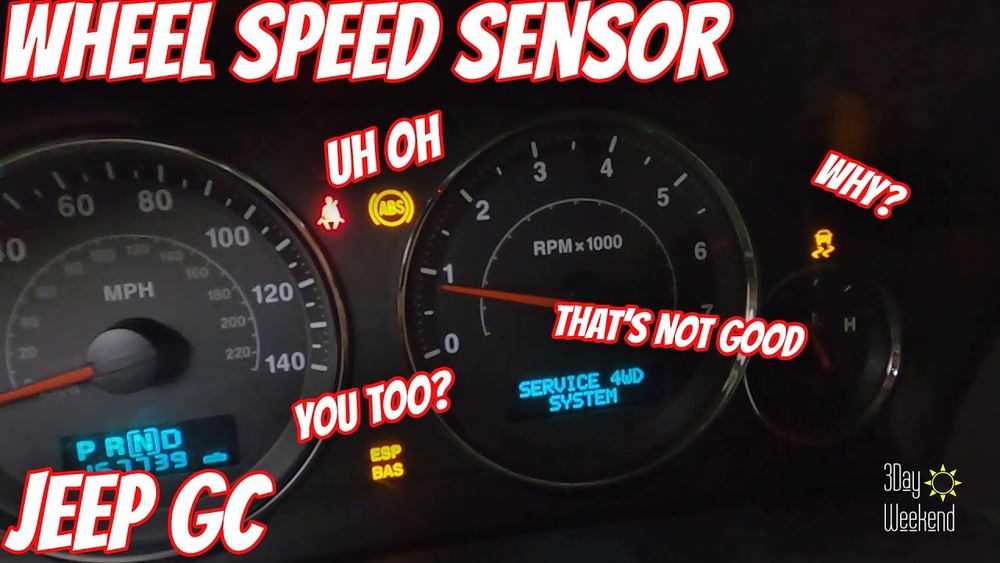
Why Abs Light Comes On
The ABS light on a Jeep Grand Cherokee signals a problem with the anti-lock brake system. It turns on when the system detects an issue that could affect your vehicle’s braking safety. Understanding why the ABS light comes on helps you address the problem quickly.
Several common reasons trigger the ABS light. These relate to the sensors, fluid levels, electrical components, or the ABS pump itself. Identifying the cause narrows down the repair process.
Wheel Speed Sensor Issues
Wheel speed sensors monitor each wheel’s rotation speed. Dirt, corrosion, or damage often affects these sensors. A faulty sensor sends wrong data to the ABS module. The system then triggers the ABS light to warn you.
These sensors are usually near the wheels and can get dirty or worn out. Cleaning or replacing them often fixes the problem.
Low Brake Fluid Levels
Brake fluid is essential for the braking system to work properly. Low fluid levels can cause the ABS light to come on. This happens because the system senses insufficient hydraulic pressure.
Check the brake fluid reservoir under the hood. Fill it to the recommended level if it is low. Leaks or worn brake pads may cause fluid loss and need attention.
Blown Fuses And Relays
The ABS system relies on fuses and relays to operate its electrical parts. A blown fuse or faulty relay can interrupt the system’s power. This disruption causes the ABS light to activate.
Inspect the power distribution center for blown fuses. Replace any damaged fuses or relays to restore the system’s function.
Faulty Abs Pump Or Module
The ABS pump controls brake pressure during emergency stops. The module processes signals from the sensors and controls the pump. Failure in either part can trigger the ABS warning light.
These components can wear out over time or fail due to electrical issues. Diagnosing pump or module problems usually requires specialized tools and expertise.

Checking Physical Components
Checking physical components is the first step to reset the ABS light on a Jeep Grand Cherokee. Physical parts can often cause the ABS warning. Inspecting these parts helps find simple issues before using tools.
Start with the parts that affect the ABS system directly. Dirt, damage, or leaks in these components can trigger the ABS light. A careful look saves time and money.
Inspecting Wheel Speed Sensors
Wheel speed sensors monitor each wheel’s rotation speed. Dirt and debris often cover these sensors. Clean them gently with a soft cloth to remove grime. Look for broken wires or loose connections near the sensors.
Damage to a sensor or wiring can cause false signals. Replacing faulty sensors can turn off the ABS light. Make sure all four sensors are checked for problems.
Checking Brake Fluid Reservoir
The brake fluid reservoir holds the fluid needed for braking power. Open the hood and find the reservoir near the firewall. Check the fluid level against the marks on the side.
Low brake fluid may turn on the ABS light. Add the correct brake fluid if the level is low. Avoid overfilling the reservoir. Watch for leaks around the reservoir and brake lines.
Examining Abs Fuses And Relays
The ABS system uses fuses and relays to protect electrical parts. Locate the fuse box inside the engine bay or under the dashboard. Find the ABS fuse and relay using the diagram on the box cover.
Check the fuses for blown filaments. Replace any blown fuses with the same type. Tap the relays gently to ensure they are seated well. Replace faulty relays to restore proper ABS function.
Using An Obd-ii Scanner
Using an OBD-II scanner is a practical way to reset the ABS light on your Jeep Grand Cherokee. This tool connects to your vehicle’s computer system and helps identify the exact problem. It reads the fault codes and can clear them once the issue is fixed.
OBD-II scanners are user-friendly and save time compared to guessing what causes the ABS light. They provide clear codes that point to specific faults. This makes repairs more accurate and efficient.
Choosing The Right Scanner
Select a scanner that supports ABS and brake system codes. Not all OBD-II scanners read ABS codes, so check the features before buying. Affordable models with ABS compatibility work well for most Jeep Grand Cherokees. A scanner with a clear display and easy menu helps beginners navigate quickly.
Reading Diagnostic Trouble Codes
Connect the scanner to the Jeep’s OBD-II port under the dashboard. Turn the ignition to the “On” position without starting the engine. Follow the scanner prompts to read stored codes. These codes reveal what triggers the ABS light. Write down the codes or save them for reference. Understanding these codes helps target the repair accurately.
Clearing Abs Codes
After fixing the issue, use the scanner to clear the ABS codes. Navigate to the option that erases codes or resets the ABS system. Confirm the action and wait for the scanner to complete the process. Turning off the ignition and starting the vehicle again should show the ABS light is off. If the light returns, the problem may still exist or need further diagnosis.
Manual Reset Techniques
Manual reset techniques offer simple ways to turn off the ABS light on your Jeep Grand Cherokee. These methods work best after fixing the problem causing the light. Sometimes, the light stays on due to minor glitches or system delays. Using manual resets can save time and avoid extra trips to the mechanic.
These techniques involve basic actions you can do yourself. They help the vehicle’s system recognize the fix and clear the warning light. Each method is easy to follow and requires no special tools. Here are the most common manual reset options you can try.
Turning Steering Wheel Method
This method helps reset the ABS sensor alignment. Start by turning the steering wheel fully to the left. Hold it there for about 10 seconds. Next, turn the wheel fully to the right and hold again. Finally, return the wheel to the center position. This movement helps the sensors recalibrate and may clear the ABS light.
Driving For System Recalibration
Driving your Jeep for a short distance can reset the ABS system. Drive at a steady speed, around 30 to 40 mph. Keep the road smooth and avoid sudden stops or turns. The system scans all sensors and checks the brakes during this drive. After about 10 to 15 minutes, the ABS light may turn off if the issue is fixed.
Resetting After Repairs
After repairing ABS components, a reset is often needed. Turn your ignition to the “on” position without starting the engine. Press the brake pedal firmly for 10 seconds. Release the pedal and turn off the ignition. Start the vehicle and check if the ABS light is off. This process signals the system to update its status after repairs.
Common Repairs To Fix Abs Light
The ABS light on your Jeep Grand Cherokee signals a problem in the anti-lock braking system. Fixing this issue often involves common repairs that restore proper function. These repairs address sensor issues, fluid levels, electrical faults, and mechanical components. Understanding these repairs can help you reset the ABS light effectively.
Cleaning Or Replacing Sensors
Wheel speed sensors detect how fast each wheel turns. Dirt and debris can cover these sensors, causing false signals. Cleaning the sensors can restore accurate readings. If cleaning does not help, the sensor might be faulty. Replacing damaged sensors often clears the ABS light.
Topping Off Brake Fluid
Brake fluid is essential for the braking system’s performance. Low fluid levels can trigger the ABS light. Check the brake fluid reservoir under the hood. Add the recommended brake fluid until it reaches the proper level. This simple step often resolves the ABS warning.
Replacing Blown Fuses
The ABS system relies on fuses and relays for power. A blown fuse can cut power and activate the warning light. Locate the ABS fuse in the power distribution center. Inspect the fuse and replace it if it is damaged. Replacing fuses restores power and may reset the ABS light.
Repairing Abs Pump Or Module
The ABS pump and control module manage brake pressure during stops. Faults in these parts can cause the ABS light to stay on. Repairing or replacing the pump or module often requires a professional. Proper repair ensures the ABS system works safely and the light turns off.
When To Seek Professional Help
The ABS light on your Jeep Grand Cherokee signals a problem in the anti-lock braking system. Some issues can be fixed at home, but others need expert care. Knowing when to seek professional help can save time and prevent further damage. If your ABS light stays on after basic checks, it’s time to call a technician.
Complex Diagnostics
Some ABS problems require advanced diagnostic tools. Professionals have scanners that read detailed fault codes. They can pinpoint hidden issues in the ABS system. DIY tools may not detect all problems. Complex diagnostics help avoid guesswork and unnecessary repairs.
Abs Pump Replacement
The ABS pump controls brake pressure during hard stops. A faulty pump can cause the ABS light to stay on. Replacing the pump is a tough job. It involves removing brake fluid and bleeding the system. Only trained mechanics should handle this task to ensure safety.
Electrical System Troubleshooting
ABS relies on many electrical parts like sensors, fuses, and wiring. Problems in these areas can trigger the ABS light. Professionals know how to test circuits and repair wiring faults. They ensure the electrical system works correctly and the light turns off.
Preventing Future Abs Light Issues
Preventing future ABS light issues on your Jeep Grand Cherokee keeps your vehicle safe and reliable. Regular care helps avoid sudden warnings and costly repairs. Simple habits protect your brake system and keep sensors working well.
Regular Brake System Maintenance
Check your brake pads and rotors often for wear. Replace parts before they cause damage or reduce braking power. Schedule brake inspections during oil changes or tire rotations. A well-maintained brake system lowers the chance of ABS problems.
Keeping Sensors Clean
ABS sensors detect wheel speed and send signals to the control unit. Dirt, mud, or rust can block these sensors and cause errors. Clean the sensors gently with a soft brush or cloth. Avoid using harsh chemicals that may damage sensor parts.
Monitoring Brake Fluid Levels
Brake fluid is essential for hydraulic pressure in your braking system. Check the fluid level regularly under the hood. Top off with the correct fluid type if levels are low. Change brake fluid as recommended by the Jeep manual to prevent moisture buildup.
Frequently Asked Questions
How Do You Manually Clear An Abs Light?
Use an ABS-compatible OBD-II scanner to read and clear fault codes. Fix any issues first. Alternatively, drive briefly for automatic recalibration.
What Is The Most Common Cause Of The Abs Light To Come On?
The most common cause of the ABS light coming on is a faulty or dirty wheel speed sensor. Low brake fluid or blown fuses can also trigger it.
Can I Drive My Jeep With The Abs Light On?
You can drive your Jeep with the ABS light on, but the ABS system may not function properly. Get the issue checked soon.
What Causes The Abs Light To Turn On In Jeep Grand Cherokee?
The ABS light usually turns on due to faulty wheel speed sensors, low brake fluid, or blown fuses. These issues indicate a malfunction in the anti-lock braking system that needs attention to ensure safe vehicle operation.
Conclusion
Resetting the ABS light on your Jeep Grand Cherokee keeps you safe on the road. Always check brake fluid levels and wheel speed sensors first. Use an OBD-II scanner to read and clear error codes properly. Driving a short distance can help the system recalibrate.
Ignoring the ABS light may lead to bigger problems later. Regular maintenance prevents unexpected issues and keeps your brakes working well. Stay alert and fix problems quickly to enjoy smooth, safe driving.