If your 2014 Jeep Grand Cherokee’s engine light just came on, you’re probably wondering what it means and whether you need to worry. That little light can signal anything from a simple issue like a loose gas cap to more serious problems with your engine or emissions system.
Ignoring it won’t make the problem go away, and driving without knowing the cause could lead to costly repairs. You’ll learn why your engine light is on, what the common trouble codes mean, and what steps you should take next to keep your Jeep running smoothly.
Don’t let that warning light stress you out—read on to get the answers you need and take control of the situation.
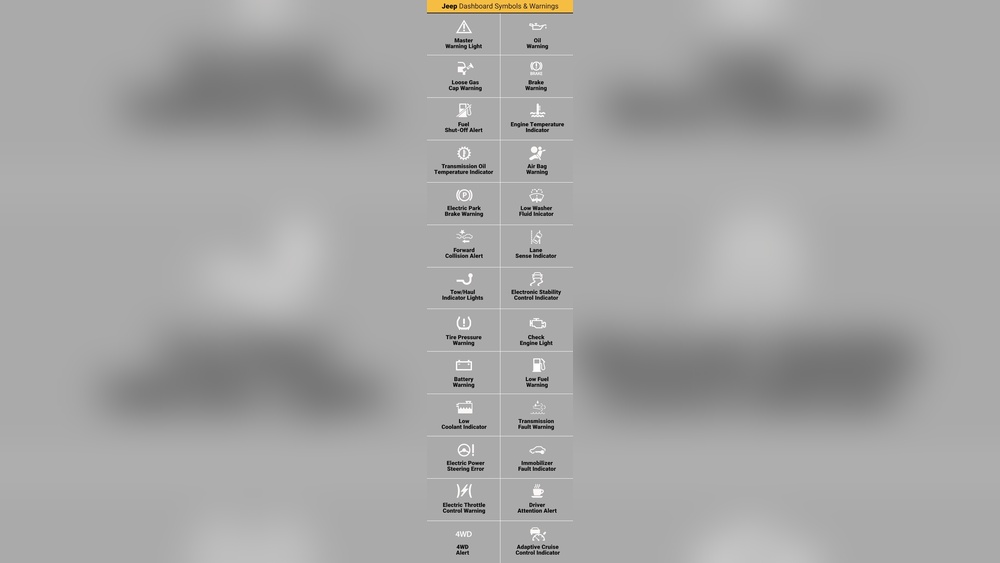

Common Engine Light Codes
The engine light on a 2014 Jeep Grand Cherokee signals various possible problems. Fixing these issues quickly prevents bigger damage and costly repairs. Many engine light problems have simple solutions. Some fixes require basic tools and little time. Others need professional help but knowing the common fixes helps you understand the process. Here are top fixes for engine light issues to consider.
Tightening Or Replacing Gas Caps
A loose or damaged gas cap often triggers the engine light. It lets fuel vapors escape, causing emissions errors. Tighten the gas cap until it clicks firmly. Replace it if the seal is cracked or worn out. This fix is easy and usually clears the engine light fast.
Replacing Faulty Sensors
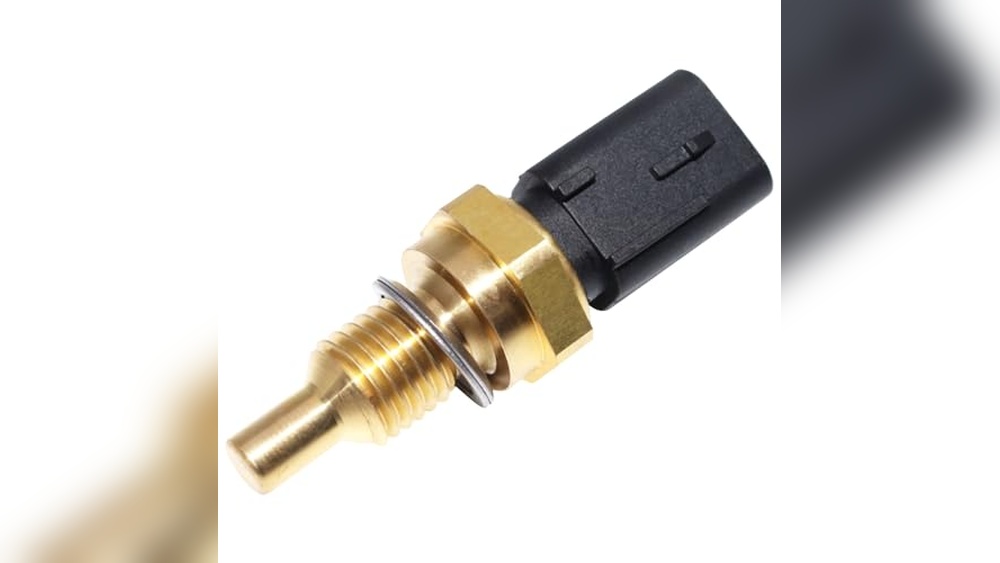
Faulty sensors like oxygen or mass airflow sensors cause engine light codes. These sensors help control fuel and air mix. When they fail, the engine runs poorly or emits more pollution. Replacing bad sensors restores engine performance. A mechanic can diagnose and swap out the faulty parts.
Fixing Fuel System Components
Fuel system problems often cause engine light alerts. Issues may include clogged fuel filters or failing fuel injectors. These parts affect fuel delivery to the engine. Cleaning or replacing filters and injectors fixes fuel flow and clears codes. Regular fuel system checks keep the Jeep running smoothly.
Addressing Ignition Problems
Ignition system faults cause misfires and engine light warnings. Worn spark plugs or damaged ignition coils are common culprits. Replacing spark plugs and coils improves engine firing and reduces emissions. This repair enhances fuel economy and engine smoothness.
Repairing Emission System Parts
Emission system parts like the catalytic converter or EGR valve affect engine light status. A failing catalytic converter blocks exhaust flow, raising emissions. A stuck EGR valve disrupts engine combustion. Repairing or replacing these parts solves emission issues and stops the engine light.

Frequently Asked Questions
Why Is My 2014 Jeep Grand Cherokee Check Engine Light On?
The 2014 Jeep Grand Cherokee check engine light may indicate a loose gas cap, faulty oxygen sensor, bad catalytic converter, or engine misfire. Scan the codes to identify the exact problem and address it promptly for safe driving.
Can I Drive My Jeep With The Engine Light On?
Driving your Jeep with the engine light on is possible but risky. Get the code read immediately to avoid serious damage or breakdown.
How To Clear A Check Engine Light Without Fixing The Problem?
Clearing a check engine light without fixing the issue involves disconnecting the battery or using an OBD-II scanner. This only resets the light temporarily. The problem will likely return until properly repaired. Ignoring the issue can cause further damage or safety risks.
What Does A Flashing Check Engine Light Mean On A Jeep Grand Cherokee?
A flashing check engine light on a Jeep Grand Cherokee signals a severe engine misfire. It needs immediate attention to prevent damage.
Conclusion
The engine light on your 2014 Jeep Grand Cherokee signals a problem. It can point to simple issues like a loose gas cap. Or it might mean something more serious, such as a faulty sensor or engine trouble. Reading the engine codes helps find the exact cause.
Early diagnosis can prevent bigger repairs later. Always address the light promptly to keep your Jeep running well and safe on the road. Don’t ignore it; your vehicle depends on it.