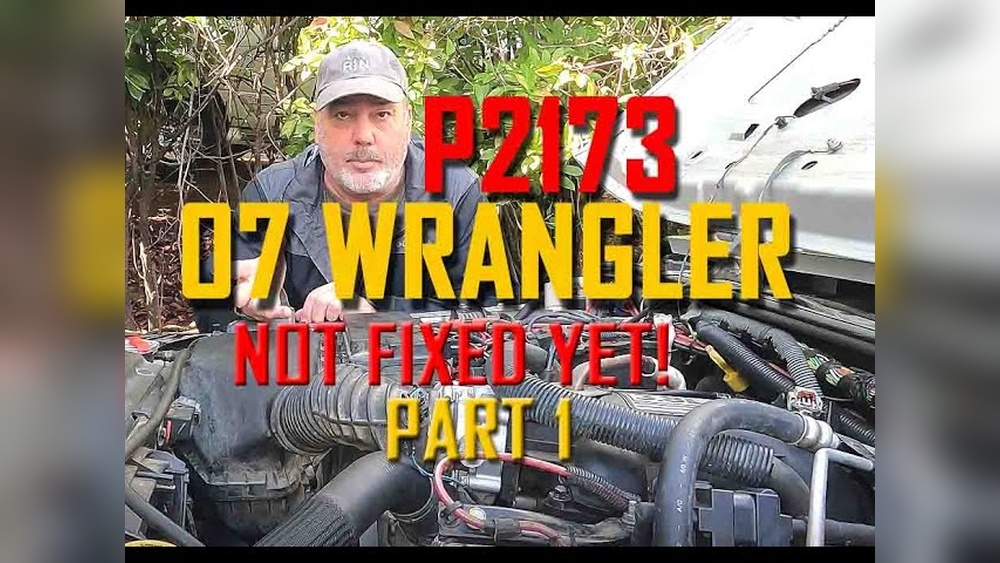
If you drive a Jeep Wrangler and have seen the P2173 code pop up on your dashboard, you’re probably wondering what it means and how it affects your vehicle. This code signals that your engine is getting too much air, which can cause rough idling, reduced power, or even stalling.
Don’t ignore it—understanding the causes and solutions behind P2173 can save you from costly repairs and keep your Jeep running smoothly. You’ll learn exactly what triggers this issue, how to spot it early, and what steps you can take to fix it quickly.
Keep reading to take control of your Jeep Wrangler’s performance and avoid unexpected breakdowns.

Symptoms Of P2173 Code
Fixing vacuum leaks is key to resolving the P2173 code on your Jeep Wrangler. This code signals the engine is getting too much air. That extra air comes from leaks in the vacuum system. These leaks cause poor engine performance, rough idling, and increased fuel use. Finding and fixing these leaks restores smooth running and better fuel economy.
Replace Cracked Hoses
Check all vacuum hoses for cracks or damage. Hoses near the brake booster and PCV valve often crack. Remove old, brittle hoses and replace them with new ones. New hoses ensure no air escapes or enters the system. This simple step stops many vacuum leaks and clears the P2173 code.
Seal Loose Connections
Inspect all hose connections and clamps for tightness. Loose connections let air leak into the engine. Tighten clamps and push hoses firmly onto fittings. Use vacuum-safe sealant if needed. Properly sealed connections keep the vacuum system airtight and prevent error codes.
Use Smoke Test Method
The smoke test is a reliable way to find hidden leaks. A smoke machine pumps smoke into the vacuum system. Watch for smoke escaping from cracks or loose parts. This method spots leaks you cannot see with the naked eye. Fix all leaks found during the test to solve the P2173 error effectively.
Common Causes
The EGR system plays a key role in your Jeep Wrangler’s engine performance. It lowers nitrogen oxide emissions by recirculating exhaust gases. A proper inspection can prevent the P2173 error code. Regular checks help maintain engine health and fuel efficiency.
Check Gaskets For Leaks
Start by examining the gaskets around the EGR valve. Look for cracks or signs of wear. Leaking gaskets cause vacuum leaks, triggering the P2173 code. Replace any damaged gaskets to stop air leaks and restore proper function.
Inspect Egr Valve And Tubes
Next, inspect the EGR valve and connecting tubes. Check for carbon buildup or blockages. A stuck valve or clogged tube stops exhaust gas flow. This disrupts the air-fuel mix and causes rough idling or poor fuel economy.
Clean Or Replace Components
Remove carbon deposits by cleaning the EGR valve and tubes. Use a safe cleaner made for engine parts. If cleaning does not fix the issue, replace faulty components. This ensures smooth operation and clears the P2173 code for good.
Quick Visual Checks
Knowing when to seek professional help for the P2173 Jeep Wrangler code can save time and prevent further damage. Some issues require expert diagnosis and repair. Trying to fix complicated problems alone might cause more harm. Understanding the signs that call for a mechanic ensures your Jeep runs smoothly and safely.
Persistent Warning Lights
If the check engine light stays on after basic checks, visit a professional. A steady or flashing warning light means the problem is ongoing. Mechanics use advanced tools to read detailed error codes. Ignoring persistent lights can lead to costly repairs later.
Complex Sensor Failures
The P2173 code involves sensors that control air and fuel mix. Faulty sensors like the MAP or throttle position sensor need precise testing. Professionals have the right equipment to test and replace these sensors correctly. Complex sensor issues can affect engine performance and fuel economy.
Engine Performance Not Improving
When engine problems continue despite simple fixes, seek help. Rough idling, stalling, or poor acceleration shows unresolved issues. Mechanics can find hidden problems like vacuum leaks or faulty components. Timely repair keeps your Jeep safe and reliable on the road.
Frequently Asked Questions
How Serious Is A P2173 Error Code?
A P2173 error code signals a serious issue with excessive air entering the engine. It may cause rough idling and reduced performance. Promptly inspect vacuum lines, sensors, and the throttle body to avoid further damage and maintain safe vehicle operation.
How To Fix P2173 Vacuum Leak?
Inspect and replace cracked or loose vacuum hoses. Clean or repair the throttle body and check the MAP sensor. Use an OBD-II scanner to confirm fixes.
What Is The Difference Between P0507 And P2173?
P0507 signals a high idle speed caused by a vacuum leak or throttle issue. P2173 indicates the engine runs too lean at idle due to air-fuel mixture problems. Both relate to air intake but differ in cause and engine response.
What Is Eobd2 P2173 Throttle Actuator Control System High Airflow Detected?
The EOBD2 P2173 code means the engine control module detected excessive airflow. This often indicates a vacuum leak, dirty throttle body, or faulty sensors. Check vacuum lines, throttle actuator, and MAP or TPS sensors for damage or malfunction.
Conclusion
The P2173 code in your Jeep Wrangler signals an issue with the engine’s air intake system. Common causes include vacuum leaks, faulty sensors, or throttle body problems. Regularly inspect hoses, clamps, and sensors to spot issues early. Addressing these problems quickly helps maintain engine performance and fuel efficiency.
Stay attentive to warning signs and use diagnostic tools when needed. Keeping your Jeep in good condition ensures a smoother and safer drive every time.