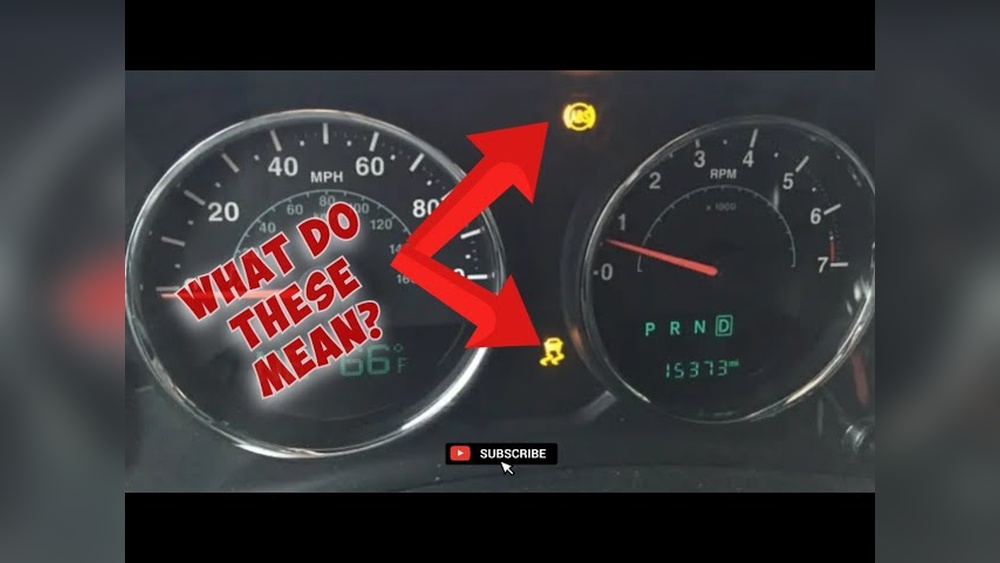
If you’ve noticed the ABS and traction control lights glowing on your Jeep Wrangler’s dashboard, you’re probably wondering what’s going on and whether it’s safe to keep driving. These warning lights aren’t just random alerts—they signal that your vehicle’s safety systems might not be working properly.
Ignoring them could lead to reduced braking performance or loss of control, especially on tricky terrain or slippery roads. But don’t panic just yet. You’ll learn what causes these lights to come on, how to quickly diagnose the issue, and what simple fixes you can try before heading to the mechanic.
Keep reading to take control of your Jeep’s safety and get back on the road with confidence.

Causes Of Abs And Traction Control Lights
The ABS and traction control lights on a Jeep Wrangler warn of issues in safety systems. These lights turn on due to problems that affect wheel speed monitoring and traction management. Understanding the common causes helps fix the problem quickly and keeps the vehicle safe on the road.
These warning lights often point to sensors and wiring problems. Dirt and misalignment can also confuse the vehicle’s control systems. Each cause affects the ABS and traction control in a unique way.
Faulty Wheel Speed Sensors
Wheel speed sensors send data about each wheel’s rotation to the ABS system. A faulty sensor gives incorrect or no signals. This triggers the ABS and traction control lights. Sensors can fail due to damage or wear over time.
Damaged Or Corroded Wiring
Wiring connects sensors to the vehicle’s computer. Damage from trail debris or corrosion can break these connections. When wiring is damaged, signals cannot reach the control unit. This causes the warning lights to activate.
Dirty Tone Rings
Tone rings work with sensors to measure wheel speed. Mud, brake dust, or metal shavings can build up on these rings. This dirt blocks sensor readings, causing errors in the ABS system. Cleaning the tone rings often clears the warning lights.
Misaligned Steering Wheel
If the steering wheel is not centered while driving straight, the system may detect a slide. This false reading triggers the traction control light. Proper wheel alignment can fix this issue and turn off the warning lights.
Leaking Rear Axle Seal
A leaking rear axle seal can drip grease onto wheel speed sensors. Grease disrupts sensor signals and causes the ABS and traction control lights to come on. Repairing the leak and cleaning the sensors usually solves the problem.

Frequently Asked Questions
Is It Okay To Drive A Jeep With Abs And Traction Control Light On?
Driving a Jeep with ABS and traction control lights on is unsafe. These systems may not work properly. Have your vehicle inspected promptly.
What Does It Mean When Your Abs And Traction Control Light Comes On A Jeep Wrangler?
The ABS and traction control lights on a Jeep Wrangler indicate a fault in the braking or traction system. Common causes include a faulty wheel speed sensor, damaged wiring, or dirty tone rings. Prompt diagnosis and repair ensure safe driving and system functionality.
Why Would My Abs And Traction Control Light Come On At The Same Time?
The ABS and traction control lights often come on together due to a faulty wheel speed sensor or damaged wiring. Dirt, corrosion, or misaligned steering can also trigger both lights simultaneously. A scan tool can help diagnose the exact issue quickly.
Why Is My Abs And Traction Control Light On My Jeep Patriot?
Your Jeep Patriot’s ABS and traction control lights usually signal a faulty wheel speed sensor, damaged wiring, or dirty tone rings. These issues disrupt sensor readings, triggering the warning lights. Check the sensors, wiring, and clean tone rings to fix the problem.
Conclusion
Seeing the ABS and traction control lights on your Jeep Wrangler signals a problem. Most often, a wheel speed sensor or wiring issue causes this. Dirt, damage, or corrosion can affect sensors and trigger the lights. Driving with these lights on is risky but not always an emergency.
Use a scan tool to find the exact fault. Fixing the problem early keeps your Jeep safe and running well. Don’t ignore these warnings—address them soon for peace of mind on every drive.