If you drive a 2016 Jeep Patriot and you’ve noticed a red lightning bolt warning light flashing on your dashboard, you’re probably wondering what it means—and whether it’s safe to keep driving. This warning light isn’t just a random symbol; it signals a problem with your vehicle’s electronic throttle control system.
Ignoring it could lead to reduced power, poor performance, or even getting stranded. But don’t worry—understanding what triggers this warning and how to address it can save you time, money, and frustration. Keep reading to learn exactly what that lightning bolt means, the common causes behind it, and the simple steps you can take to get your Jeep Patriot back on the road with confidence.
Lightning Bolt Warning Light Meaning
The lightning bolt warning light on the 2016 Jeep Patriot signals a problem with the vehicle’s electronic systems. This symbol often appears on the dashboard to alert drivers about issues related to the throttle control. Understanding what this warning light means helps you take the right action to keep your Jeep running smoothly.
Electronic Throttle Control System
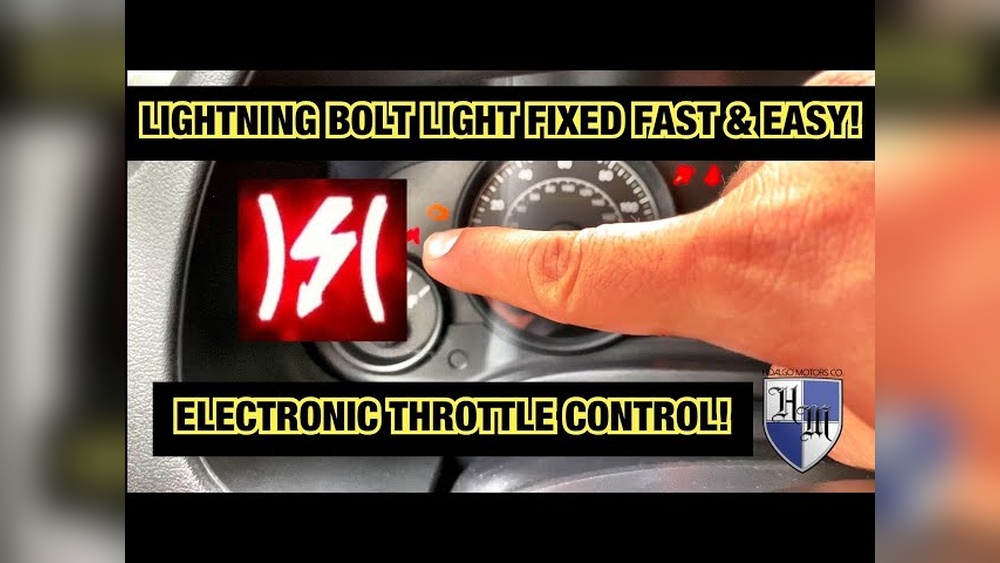
The lightning bolt light usually relates to the Electronic Throttle Control (ETC) system. This system controls how much air enters the engine based on your gas pedal input. When the ETC system detects a fault, it triggers the warning light. Problems can include a dirty throttle body, faulty sensors, or wiring issues. These faults affect engine performance and fuel efficiency.
Low Power Or Limp Mode Indicator
The warning light can also mean the Jeep is in low power or limp mode. This mode limits engine power to protect the vehicle from damage. It activates when the ETC system finds a serious issue. Limp mode keeps the car running but reduces speed and acceleration. Driving in this mode is possible but only for short distances. Fixing the underlying problem is necessary to restore normal driving.
Common Causes Of The Warning Light
The 2016 Jeep Patriot Lightning Bolt warning light signals a problem with the throttle control system. This system controls how the engine receives air based on your gas pedal input. Several common issues can cause this warning light to appear on your dashboard. Identifying these causes helps in timely troubleshooting and repair.
Faulty Throttle Body
The throttle body controls air flow into the engine. A faulty throttle body often causes the warning light. Dirt, wear, or electrical problems can stop it from working properly. This leads to poor engine performance and triggers the warning.
Loose Air Intakes And Wiring
Loose air intake hoses or clamps can let air leak into the engine. Wiring connected to the throttle control may also become loose or damaged. Both issues cause incorrect signals to the engine control unit. This activates the warning light as a safety measure.
Low Coolant Level Or Sensor Issues
Low coolant levels affect engine temperature readings. A faulty coolant temperature sensor can send wrong information to the engine control. The system then miscalculates engine needs and turns on the warning light. Checking coolant and sensors is important.
Failing Battery And Voltage Fluctuations
A weak or failing battery causes voltage changes in the electrical system. These fluctuations confuse engine sensors. The throttle control system may not work correctly under unstable voltage. This triggers the lightning bolt warning on your Jeep Patriot’s dashboard.
Carbon Buildup In Throttle Components
Carbon deposits can build up inside throttle parts over time. This buildup restricts air flow and affects sensor readings. The throttle body struggles to respond to gas pedal commands. The warning light comes on to alert you of this problem.
Symptoms Accompanying The Warning Light
The 2016 Jeep Patriot’s lightning bolt warning light signals an issue with the vehicle’s electronic throttle control system. This alert often comes with several noticeable symptoms that affect driving performance. Recognizing these symptoms early helps prevent more serious damage and keeps your Jeep running smoothly.
Pay attention to changes in engine behavior or dashboard lights. These signs reveal the severity of the problem and guide you on the next steps for repair or maintenance.
Reduced Engine Power
The Jeep may lose power suddenly or feel weak during acceleration. This reduced engine power limits speed and responsiveness. The vehicle might enter “limp mode,” restricting engine output to protect itself.
Driving with reduced power can be unsafe and should be addressed quickly.
Rough Idle And Engine Hesitation
The engine may run unevenly or shake while idling. Hesitation can occur when pressing the gas pedal, causing delayed acceleration. These issues make driving uncomfortable and indicate throttle control problems.
Ignoring rough idle symptoms can lead to stalling or further engine damage.
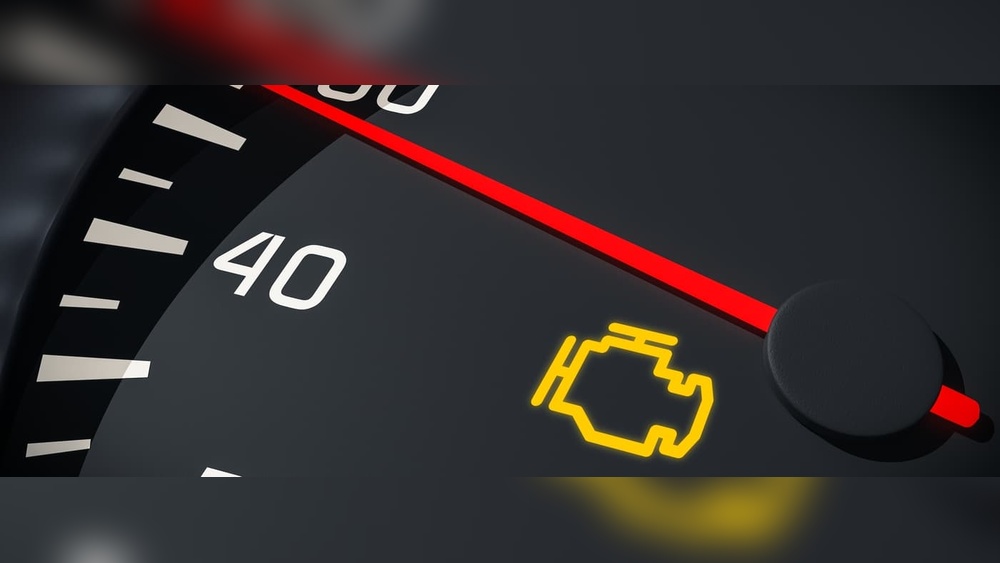
Traction Control And Check Engine Lights
The traction control light often illuminates along with the lightning bolt warning. This happens because the vehicle’s computer detects faults affecting stability control systems. The check engine light may also come on, signaling broader engine or sensor problems.
Multiple warning lights require immediate diagnostics to find the root cause.
Flashing Warning Light Patterns
A steady lightning bolt light means a fault is present. A flashing light signals a more serious or urgent issue. Flashing patterns often indicate the throttle system is malfunctioning under load, which can cause sudden power loss.
Do not ignore flashing lights; they require immediate attention to avoid breakdowns.
Immediate Actions To Take
The 2016 Jeep Patriot lightning bolt warning light signals an electrical or throttle control problem. Acting fast helps prevent further damage. Follow these immediate steps to address the warning light effectively. Each step targets common causes behind the warning.
Safely Restarting The Vehicle
Pull over to a safe spot immediately. Turn off the engine and wait 60 seconds. Restart the vehicle to reset the electronic control unit. This simple step can clear temporary glitches. Watch if the warning light stays off or returns.
Checking For Loose Hoses And Connections
Open the hood and inspect the throttle body area. Look for loose or disconnected air intake hoses. Check clamps securing hoses to the throttle body. Ensure wiring harnesses near the throttle body are firmly connected. Loose parts can trigger the warning light.
Inspecting Battery Health
Test the battery voltage with a multimeter or visit a mechanic. Weak or dying batteries cause voltage drops that confuse sensors. Clean battery terminals to ensure good contact. Replace the battery if readings are below 12 volts. A healthy battery supports stable electrical signals.
Monitoring Coolant Levels
Check the engine coolant reservoir under the hood. Low coolant can cause engine temperature errors and trigger the warning. Fill the reservoir with the recommended coolant if levels are low. Inspect for leaks around hoses and radiator. Proper coolant levels keep the engine running smoothly.
Diagnostic Procedures
The 2016 Jeep Patriot’s lightning bolt warning light signals an issue with the throttle control system. Proper diagnostic procedures help find the root cause. These steps avoid guesswork and save time. Follow clear methods to check the system’s health.
Start by gathering diagnostic tools. Then inspect the throttle parts closely. Test all related electrical connections. Finally, seek expert help if needed. Each step reveals important clues about the problem.
Using An Obd-ii Scanner
An OBD-II scanner reads error codes from the vehicle’s computer. Plug the scanner into the Jeep’s port under the dashboard. The device shows codes related to throttle or sensor faults. Write down the codes for reference. Clear codes and retest if needed. This tool pinpoints electronic or sensor issues quickly.
Visual Inspection Of Throttle Components
Check the throttle body for dirt or carbon buildup. Look for loose or damaged air intake hoses. Inspect clamps and seals to ensure tight connections. Examine the throttle plate for smooth movement. Any dirt or blockage can trigger the warning light. Cleaning or tightening parts may fix the problem.
Testing Electrical Connections
Inspect wiring harnesses connected to the throttle body. Look for frayed wires or loose plugs. Use a multimeter to test voltage and continuity. Faulty wiring can cause false error signals. Secure or replace damaged wires to restore proper function. Good electrical connections keep the throttle system stable.
Professional Mechanical Evaluation
Seek a certified mechanic for a full system check. Professionals use advanced tools to diagnose hidden faults. They can test sensors and throttle motor performance. Experts detect issues that basic checks miss. Follow their advice for repairs or part replacements. This step ensures safe and reliable vehicle operation.
Repair And Maintenance Solutions
The 2016 Jeep Patriot Lightning Bolt warning light signals issues in the vehicle’s electrical or throttle control systems. Proper repair and maintenance solve these problems effectively. A step-by-step approach helps fix the root causes and prevents further damage. Regular care keeps your Jeep running smoothly and safely on the road.
Cleaning Or Replacing The Throttle Body
The throttle body controls air flow into the engine. Dirt and grime can build up and cause it to malfunction. Cleaning the throttle body removes this buildup and restores proper function. Sometimes, the throttle body wears out and needs replacement. Use quality parts to ensure reliable performance after repair.
Securing Air Intake Hoses And Wiring
Loose or damaged air intake hoses disrupt air flow and trigger warning lights. Inspect hoses for cracks or disconnections. Tighten all clamps to secure hoses firmly. Check wiring harnesses near the throttle body for damage or looseness. Repair or replace faulty wiring to maintain a solid electrical connection.
Replacing Faulty Sensors
Sensors monitor engine conditions and send signals to the computer. Faulty sensors can cause incorrect readings and warning lights. Common sensors include the throttle position sensor and coolant temperature sensor. Test sensors with diagnostic tools to identify problems. Replace any sensor that fails to work properly.
Battery Replacement And Charging System Check
A weak or dead battery affects the vehicle’s electrical system. Voltage drops confuse sensors and trigger warning lights. Test the battery’s charge and condition regularly. Replace old or failing batteries promptly. Inspect the alternator and charging system to ensure they maintain proper voltage levels.
Addressing Carbon Buildup
Carbon deposits form inside the engine over time. These deposits affect throttle response and sensor readings. Use fuel additives or professional cleaning services to remove carbon buildup. Regular maintenance reduces carbon accumulation and improves engine efficiency. Clean parts help prevent warning lights from appearing.
Cost Estimates For Repairs
Repair costs for the 2016 Jeep Patriot’s lightning bolt warning light vary. The issue often points to the throttle body, sensors, wiring, or battery system. Understanding repair expenses helps plan your budget and avoid surprises. Below is a breakdown of typical costs for each repair type.
Throttle Body Repair Or Replacement
Throttle body problems cause the lightning bolt warning light. Cleaning the throttle body may cost between $100 and $200. Replacement of the throttle body part usually runs from $400 to $700. Labor charges depend on the mechanic’s rates but expect around $100 to $150.
Sensor And Wiring Fixes
Faulty sensors or loose wiring can trigger the warning light. Sensor repairs or replacements cost about $150 to $300. Fixing or replacing wiring harnesses ranges from $100 to $250. Diagnosing electrical issues may add $50 to $100 to the total.
Battery And Electrical System Services
A weak or failing battery causes voltage drops that confuse sensors. Replacing a battery costs roughly $120 to $200. Electrical system repairs, including alternator or fuse fixes, may cost $150 to $400. These services restore proper voltage and clear the warning light.
Preventive Measures
The 2016 Jeep Patriot lightning bolt warning light signals an electrical issue. Taking preventive measures helps avoid serious problems. Simple steps keep your vehicle safe and reliable.
Regular Vehicle Maintenance
Routine maintenance is vital for your Jeep Patriot. Change engine oil and filters on time. Clean the throttle body to prevent carbon buildup. Inspect air intake hoses for looseness or damage. Tighten any loose clamps or connections. Regular tune-ups keep the electrical system stable.
Monitoring Dashboard Warning Lights
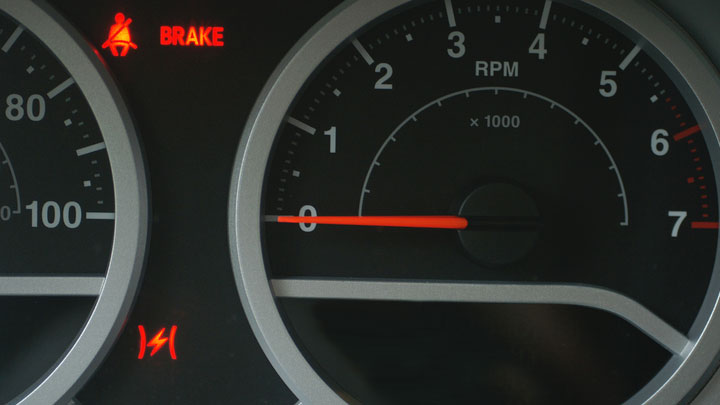
Watch your dashboard closely for warning signs. The lightning bolt light warns of throttle control faults. Do not ignore this light. Early detection helps prevent breakdowns. Check other warning lights like battery and engine indicators. Address any alerts immediately to avoid costly repairs.
Timely Battery And Sensor Checks
Test your battery regularly to ensure it holds a charge. Weak batteries cause voltage drops, triggering warning lights. Check sensor functions, especially the coolant temperature sensor. Faulty sensors send wrong signals to your engine control unit. Replace old or damaged parts promptly to maintain system health.
Frequently Asked Questions
What Does Red Lightning Bolt Mean On A Jeep Patriot?
The red lightning bolt on a Jeep Patriot signals an electronic throttle control (ETC) issue. It often triggers limp mode to protect the engine. Common causes include a faulty throttle body, loose wiring, or low battery voltage. Immediate attention and diagnosis are recommended.
Can I Drive With The Throttle Control Warning Light On?
Driving with the throttle control warning light on is risky. It may reduce power and affect engine response. Pull over safely and have a mechanic inspect it promptly to avoid further damage or safety issues.
How Do You Fix A Red Lightning Bolt On A Jeep?
The red lightning bolt on a Jeep signals an electronic throttle control issue. Check throttle body, wiring, and battery condition. Restart the vehicle to reset. If it persists, have a mechanic inspect and repair the throttle system or related components.
How Much Does It Cost To Fix A Jeep Electronic Throttle Control?
Fixing a Jeep electronic throttle control typically costs between $300 and $700. Prices vary by model and labor rates.
Conclusion
The 2016 Jeep Patriot’s lightning bolt warning light signals an electrical or throttle control issue. Don’t ignore this warning. Check air intakes, wiring, and battery health first. Restarting the engine might clear temporary glitches. For ongoing problems, have a mechanic inspect the vehicle promptly.
Staying alert helps keep your Jeep running smoothly and safely on the road.