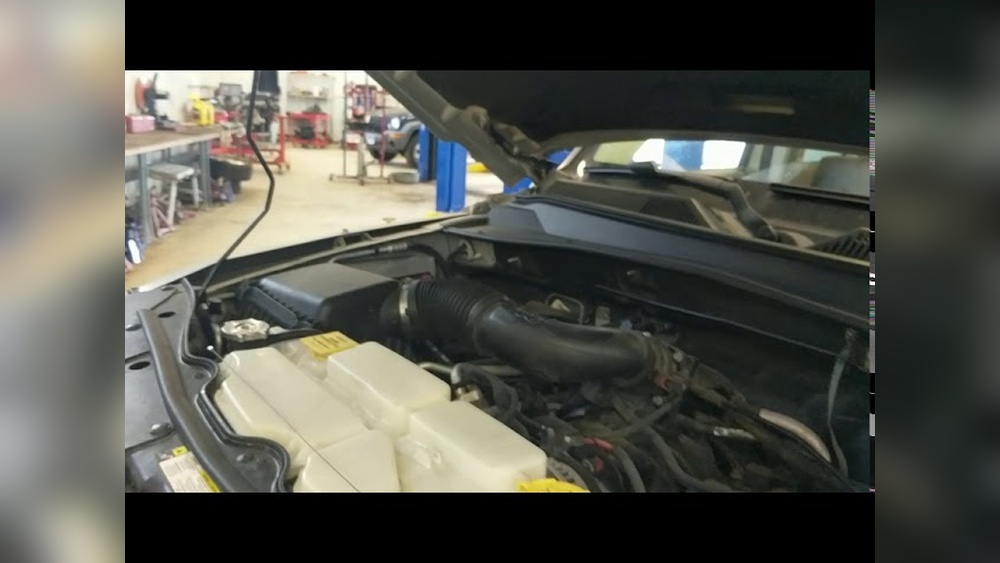
If you’ve noticed the traction control light glowing on your 2014 Jeep Wrangler’s dashboard, you’re not alone—and it’s something you shouldn’t ignore. That little warning can signal a problem with your vehicle’s safety systems, affecting how your Jeep grips the road.
But before panic sets in, understanding what triggers this light can save you time, money, and stress. You’ll discover simple steps to diagnose why your traction control light is on, easy fixes you can try yourself, and when it’s time to call a professional.
Keep reading to get your Wrangler back on track safely and confidently.
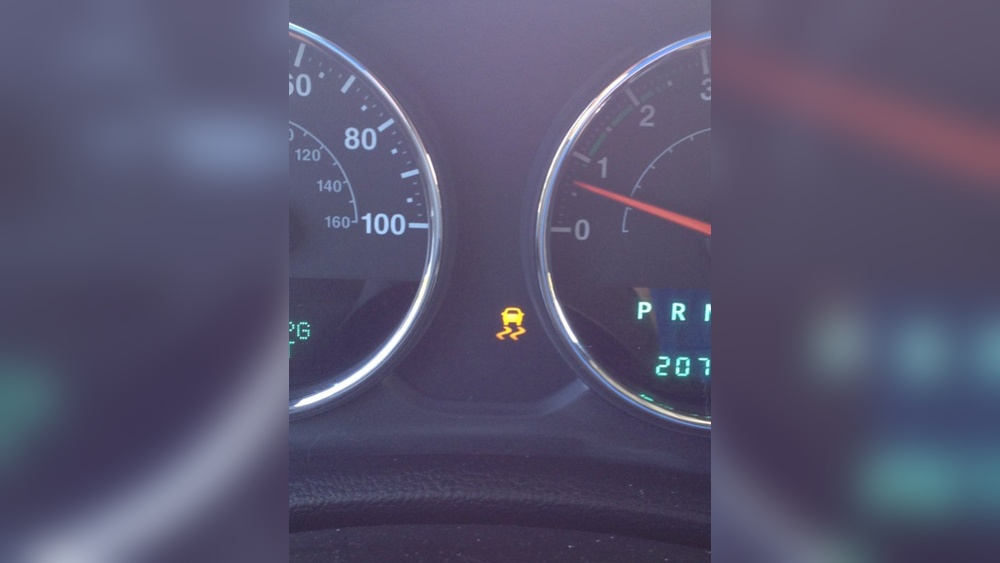
Traction Control Light Meaning
The traction control light on a 2014 Jeep Wrangler signals a problem with the vehicle’s stability system. It may indicate issues like faulty wheel sensors, uneven tire pressure, or wiring damage. Checking these parts helps identify and fix the cause.
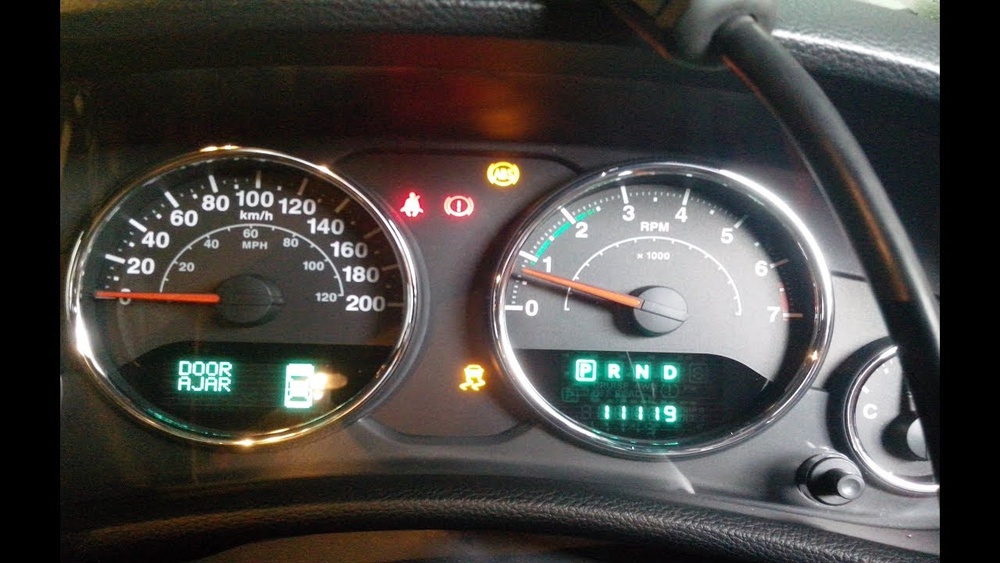
The traction control light on a 2014 Jeep Wrangler signals the status of the traction control system. This system helps keep the vehicle stable by preventing wheel slip during acceleration. When the light turns on, it means the system is either active or there is a problem.
Normally, the light flashes while driving on slippery surfaces. This shows the system is working to keep traction. If the light stays on, it means the system has detected a fault. The Jeep may lose some safety features until the issue is fixed.
Understanding the traction control light helps you know if your Jeep needs attention. It can alert you to sensor problems or other issues that affect vehicle control. Paying attention to this light can keep you safer on the road.

Common Causes
The traction control light on a 2014 Jeep Wrangler signals a problem within the Electronic Stability Control (ESC) system. This warning light activates due to several common issues. Identifying the root cause helps to restore safe driving conditions quickly. Below are frequent reasons why this light turns on.
Steering Wheel Misalignment
A misaligned steering wheel can trick the ESC system. The module thinks the vehicle is turning even when it is not. This false input triggers the traction control light. Checking the tie rod and centering the steering wheel using the drag link can solve this.
Tire Pressure Issues
Unequal tire pressure confuses the traction control system. Tires with low or uneven pressure cause different wheel speeds. This difference makes the system think a wheel is slipping. Inflate all tires to the manufacturer’s recommended PSI for accurate readings.
Dirty Wheel Speed Sensors
Wheel speed sensors detect how fast each wheel spins. Dirt, mud, or grease can cover these sensors. When the sensors are dirty, they send wrong data to the ESC module. Regular cleaning of the wheel wells and sensors helps maintain proper function.
Damaged Sensor Wiring
The wiring connected to the wheel speed sensors can wear out over time. Frayed or broken wires interrupt sensor signals. Lifted Jeeps are more prone to this damage due to rubbing wires. Inspect the wiring harness for any visible damage or corrosion.
Internal Module Faults
The ESC module itself can develop faults. Internal errors may cause the traction control light to turn on. Using an OBD-II scanner that reads ABS and chassis codes can help detect these issues. Recalibrating or replacing the module might be necessary.
Diagnosing The Problem
The traction control light on a 2014 Jeep Wrangler signals a problem in the Electronic Stability Control system. Diagnosing this issue requires a clear, step-by-step approach to find the root cause. Checking the right components saves time and money.
Start with the tools and data available. Use proper scanners to identify errors. Then, inspect physical parts like wheel sensors for damage. Each step narrows down possible faults.
Using An Obd-ii Scanner
Use an OBD-II scanner that reads ABS and chassis codes. Generic check engine readers often miss these specific codes. Connect the scanner to the Jeep’s diagnostic port under the dashboard. This tool reveals error codes related to traction control and ABS systems.
Scan the system to collect trouble codes. These codes guide the next steps in diagnosis. Without an OBD-II scanner, identifying the fault is guesswork.
Interpreting Error Codes
Each code corresponds to a sensor or system issue. Write down all error codes from the scan. Look up their meanings in the scanner manual or trusted online sources. Common codes point to wheel speed sensors or wiring faults.
Understanding the codes helps target the problem area. Avoid ignoring codes or guessing what they mean. Accurate interpretation leads to effective repairs.
Inspecting Wheel Sensors
Wheel speed sensors often cause traction control light problems. Inspect each sensor at the wheels for physical damage. Check wiring for frays, breaks, or corrosion. Damaged wires disrupt sensor signals and trigger warning lights.
Clean sensors and surrounding areas of mud or grease. Dirt can block sensor readings and cause false errors. A leaking axle seal can also coat sensors with grease. Fix leaks and clean sensors to restore proper function.
Sensor And Wiring Inspection
The traction control light on your 2014 Jeep Wrangler often signals an issue with sensors or wiring. Careful inspection of these components helps find the root cause quickly. Sensors detect wheel speed and send data to the traction control system. Wiring transmits this information accurately. Faulty sensors or damaged wiring trigger warning lights. Below are key steps to inspect these parts and fix the problem.
Checking Sensor Condition
Start by examining the wheel speed sensors closely. Look for dirt, debris, or corrosion on the sensor surface. Clean the sensor gently using a soft cloth. Check for cracks or physical damage that may affect sensor function. Sensors near the wheels are vulnerable to road grime and salt. Replace any sensor that appears worn or broken. Ensuring sensors are clean and intact improves signal quality and system performance.
Identifying Wiring Damage
Inspect the wiring harness connected to each wheel speed sensor. Look for frayed, cut, or corroded wires along the harness. Wiring can rub against metal parts or suspension components, causing wear. Lifted Jeep Wranglers often face more wiring damage due to increased movement. Repair or replace damaged wiring to restore proper communication. Use electrical tape or heat shrink tubing for minor fixes. Proper wiring prevents intermittent signals and warning light issues.
Addressing Rear Axle Seal Leaks
Check for leaks around the rear axle seals. Leaking grease can coat the wheel speed sensors and cause false readings. Look for oily residue near the sensor or on the axle housing. Clean any grease buildup carefully to avoid sensor damage. Replace seals if leaks persist to prevent recurring problems. Maintaining a dry sensor environment helps keep the traction control system accurate and reliable.
System Recalibration Steps
The traction control system in your 2014 Jeep Wrangler helps keep the vehicle stable and safe. Sometimes, the traction control light turns on due to system misalignment. Recalibrating the system can clear this issue. Follow these simple steps to reset the traction control system and improve your Jeep’s performance.
Preparing The Jeep
Park your Jeep on a flat, level surface. Turn off the engine and engage the parking brake. Check tire pressures and adjust them to the recommended levels. Make sure the tires are all the same size. Remove any mud or debris from the wheel wells and sensors. This ensures accurate sensor readings during recalibration.
Steering Wheel Re-centering
Turn the steering wheel fully to the left, then fully to the right. Bring the wheel back to the center position. The steering wheel must be straight to reset the traction control system. If your steering wheel is off-center, the system may detect a false turn and trigger the light.
Driving For Calibration
Start the engine and drive the Jeep at a steady speed of 25 to 30 mph. Avoid sharp turns and sudden stops. Continue driving straight for about 10 to 15 minutes. This allows the sensors and traction control system to recalibrate. Once complete, the traction control light should turn off.

When To Seek Professional Help
The traction control light on your 2014 Jeep Wrangler signals an issue with the vehicle’s stability system. Some problems fix themselves after a restart or simple maintenance. Other times, the light stays on, showing a deeper problem. Knowing when to seek professional help can save time and money. It ensures your Jeep stays safe on the road.
Ignoring a constant warning light may lead to bigger repairs. A trained mechanic has the right tools and knowledge to diagnose the exact cause. They can test key parts and replace faulty modules. This section explains when to get professional help for your Jeep’s traction control light.
Persistent Warning Lights
If the traction control light stays on after basic checks, it needs expert attention. Persistent warning lights often mean a sensor or module is failing. A professional mechanic can use advanced scanners to read hidden error codes. These codes guide repairs and help avoid guesswork. Do not drive long distances with a constant warning light on.
Module Testing And Replacement
The traction control system depends on electronic control modules. These modules process data from sensors to keep your Jeep stable. A mechanic can test these modules with special diagnostic equipment. If a module is faulty, it may need replacement. This is common in older vehicles or after water damage. Proper testing ensures only the broken parts get replaced, saving money and time.
Preventive Maintenance Tips
Keeping the traction control system in good shape helps prevent warning lights on your 2014 Jeep Wrangler. Simple maintenance steps can reduce sensor issues and improve vehicle safety. Regular attention to key components ensures smooth driving and fewer surprises on the road.
Regular Sensor Cleaning
Wheel speed sensors detect the rotation of each tire. Dirt, mud, or grease can block their signals. Clean sensors often by washing the wheel wells and undercarriage. Use a soft brush and mild cleaner. Avoid harsh chemicals that can damage sensor parts. Clean sensors help the traction control system work properly.
Maintaining Proper Tire Pressure
Proper tire pressure is crucial for accurate sensor readings. Check tire pressure at least once a month. Use the recommended PSI from the owner’s manual. Uneven or low pressure can cause the traction control light to come on. Keep all tires inflated evenly to maintain balance and system accuracy.
Routine Alignment Checks
Misaligned wheels confuse the traction control system. Steering wheel off-center or uneven tire wear are signs of poor alignment. Have an alignment check every 12,000 miles or once a year. Correct alignment helps sensors detect true wheel speed. This prevents false warnings and improves handling.
Frequently Asked Questions
What Causes A Jeep Traction Control Light To Come On?
A Jeep traction control light comes on due to sensor issues, uneven tire pressure, steering misalignment, or a faulty ABS/ESC module. Dirt or damaged wiring can also trigger the light. Use an OBD-II scanner to diagnose the exact cause and recalibrate or repair as needed.
How To Reset Jeep Traction Control Light?
To reset the Jeep traction control light, use an OBD-II scanner to clear error codes. Then, recalibrate by turning the steering wheel fully left, right, and center. Drive straight briefly. Check sensors and tire pressure if the light stays on.
Consult a mechanic if unresolved.
How Much Does It Cost To Replace The Abs Module On A Jeep Wrangler?
Replacing the ABS module on a Jeep Wrangler typically costs between $400 and $900. Prices vary by model and labor rates.
What Is The Main Reason For The Traction Control Light To Come On?
The traction control light mainly comes on due to a malfunction in the Electronic Stability Control system. Common causes include faulty wheel speed sensors, uneven tire pressure, steering misalignment, or damaged wiring. The system activates the light to alert you of these issues affecting vehicle stability.
Conclusion
The 2014 Jeep Wrangler’s traction control light signals a system issue needing attention. Check tire pressure and steering alignment first. Clean wheel sensors to avoid false warnings. Use a proper OBD-II scanner for accurate diagnosis. Inspect sensor wiring for damage, especially on lifted models.
Recalibrate the system by turning the wheel fully left and right. If the light stays on, a mechanic should test the ABS module. Taking these steps can help keep your Jeep safe and running smoothly.