If you’ve seen the P0440 code pop up on your Jeep’s dashboard, you’re probably wondering what it means and how it affects your ride. This code points to a problem with your vehicle’s Evaporative Emission (EVAP) Control System, which helps keep harmful fuel vapors from escaping into the air.
Ignoring it could lead to poor fuel efficiency or even damage to your engine. But don’t worry—understanding the common causes and simple fixes can get you back on the road quickly and safely. Keep reading to learn exactly what triggers the P0440 code on your Jeep and what steps you can take to fix it.

P0440 Code Basics
The P0440 code is a common trouble code for Jeep vehicles. It points to a problem in the Evaporative Emission Control System, or EVAP system. This system stops fuel vapors from escaping into the air. It captures vapors from the fuel tank and sends them back into the engine to be burned. When this system has a fault, the P0440 code triggers. Understanding this code helps Jeep owners address issues quickly.
Knowing the basics about P0440 can save time and money. It guides you on what might be wrong and how it affects your Jeep. The code does not always mean a serious problem but should not be ignored. Early diagnosis can keep your Jeep running smoothly and reduce pollution.
What Triggers P0440
The P0440 code triggers when the car’s computer finds a leak or fault in the EVAP system. Common triggers include a loose or damaged gas cap. The gas cap seals the fuel tank to prevent vapors from escaping. A faulty purge valve or solenoid can also cause the code. This part controls the flow of vapors to the engine. Other causes include cracks in the fuel tank, damaged hoses, or a faulty vent valve.
Effects On Jeep Performance
P0440 does not usually cause major engine problems. Your Jeep may run normally, but fuel efficiency might drop. The Check Engine Light will stay on, which can hide other issues. Sometimes, the engine may run rough or stall. Ignoring this code can lead to increased emissions and possible failed inspections. Fixing the problem keeps your Jeep running cleaner and helps the environment.
Common Causes
Quick checks help find the cause of the P0440 code fast. They save time and money. Start with simple steps before using tools or going to a mechanic. This section shows easy ways to check your Jeep’s EVAP system.
Inspecting The Gas Cap
Check the gas cap first. A loose or damaged cap often triggers the P0440 code. Remove the cap and look for cracks or worn seals. Tighten it until it clicks firmly. Replace the cap if it looks broken or old. A good seal stops fuel vapors from escaping.
Testing The Purge Valve
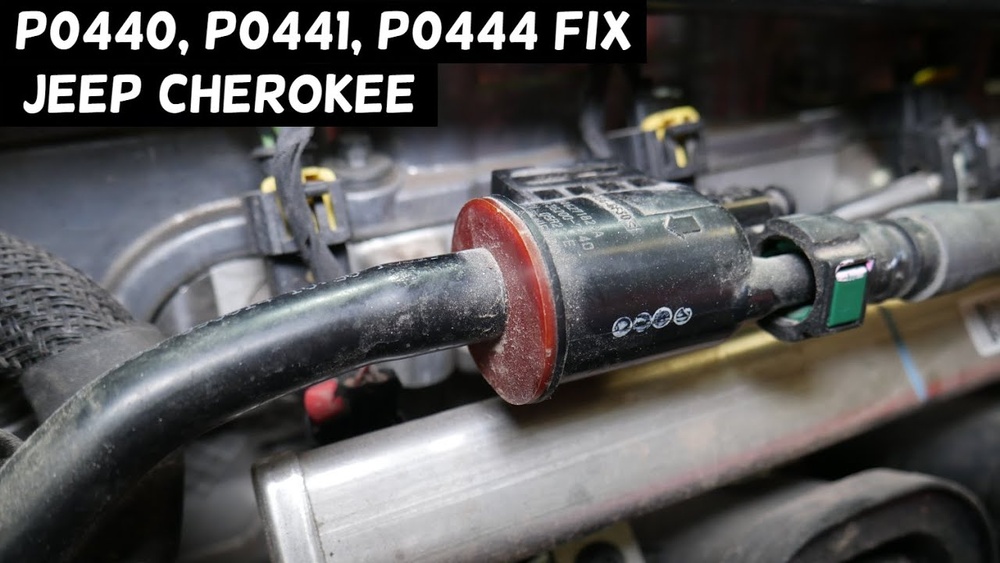
The purge valve controls fuel vapor flow to the engine. Find it near the engine intake. Remove the valve carefully. Try blowing air through it. Air should not pass easily if the valve works well. If air flows freely, the valve may be stuck open. Replace the valve to fix the leak.
Visual Hose Inspection
Look at the hoses connected to the EVAP system. Check for cracks, holes, or loose connections. Damaged hoses let vapors escape and cause the P0440 code. Replace any worn or broken hoses. Secure loose hoses with clamps or ties. A good hose keeps the system sealed tight.
Quick Checks
Fixing a P0440 code on a Jeep is often straightforward. Many issues come from simple parts that wear out or loosen. These easy fixes save time and money. They often clear the code and stop the check engine light. Below are some common repairs you can try yourself.
Replacing The Gas Cap
A loose or damaged gas cap causes many EVAP errors. The gas cap seals fuel vapors inside the tank. If it is not tight, vapors escape and trigger the P0440 code. Remove the cap and check for cracks or wear. Replace it with a new one. Tighten the new cap until it clicks three times. This fix often clears the error quickly.
Swapping Out The Purge Valve
The purge valve controls fuel vapor flow to the engine. It can stick open or closed, causing an EVAP leak. Locate the valve near the intake manifold. Remove it and try to blow air through the valve. If air passes too easily or not at all, the valve is faulty. Replace the purge valve with a new one. This repair helps restore proper vapor control.
Repairing Or Replacing Hoses
Hoses in the EVAP system carry fuel vapors to the engine. They can crack, break, or become loose. Inspect all hoses for damage or disconnections. Replace any cracked or worn hoses with new ones. Make sure all connections are tight. Fixing hose leaks stops vapor loss and clears the P0440 code. Hoses are cheap and easy to replace.
Easy Fixes
Knowing when to seek professional help for a P0440 Jeep code can save time and money. Some EVAP system problems require special tools and knowledge. Attempting complex repairs without experience can cause more damage. Watch for signs that show the issue is beyond simple fixes. A mechanic can quickly diagnose and fix tough problems.
Complex Evap System Issues
The EVAP system has many parts like valves, canisters, and sensors. Some problems hide deep inside the system. Professionals have scanners and smoke machines to find leaks fast. They understand the system’s wiring and fuel vapor flow. Complex EVAP issues often need their expertise to fix right. Trying to solve these yourself may lead to incomplete repairs.
Persistent Code After Repairs
Sometimes the P0440 code returns after fixing simple parts. This means the root cause remains undetected. A trained technician can perform thorough tests and pinpoint the issue. They check wiring, connectors, and all EVAP components. Persistent codes suggest hidden leaks or faulty sensors. Professionals ensure long-term repair, preventing future warning lights.
When To Seek Professional Help
Driving with the P0440 code in your Jeep means there is a problem in the EVAP system. This system controls fuel vapors and prevents pollution. The code signals a leak or failure in the system. It can affect how your Jeep runs and its emissions. Understanding the risks helps you drive safely and keep your vehicle in good shape.
Is It Safe?
Driving with a P0440 code is usually safe for short trips. The engine will run normally in most cases. Your Jeep might not show any warning lights apart from the check engine light. Avoid long drives until the issue is fixed. The problem can get worse and cause other engine troubles.
Potential Impact On Emissions
The EVAP system stops fuel vapors from escaping into the air. A P0440 code means vapors leak outside. This increases pollution and harms the environment. Your Jeep will fail emissions tests until repaired. Fixing the code helps reduce harmful gases and keeps your Jeep eco-friendly.


Frequently Asked Questions
How Do I Fix The Evap Code P0440?
Fix the P0440 code by checking the gas cap for tightness or damage. Inspect and replace a faulty purge valve. Also, examine EVAP hoses for leaks or cracks. Clear the code after repairs and test drive to confirm the issue is resolved.
What Is The Most Common Cause Of P0440?
The most common cause of P0440 is a faulty or stuck open EVAP purge valve. A loose or damaged gas cap can also trigger this code.
How Much Does It Cost To Fix A P0440 Code?
Fixing a P0440 code typically costs between $150 and $400, depending on the cause and labor rates. Common repairs include replacing the gas cap, purge valve, or EVAP system components.
Can A Bad Purge Valve Cause P0440?
Yes, a bad purge valve can cause P0440 by sticking open and allowing fuel vapors to escape improperly.
Conclusion
The P0440 code signals a problem in the EVAP system. Start by checking the gas cap for tightness. Inspect the purge valve for proper function next. Fixing these parts often clears the code. Driving with the code is possible but not ideal.
Ignoring it may lead to fuel smell or failed emissions tests. Regular checks keep your Jeep running smoothly. Address issues early to avoid bigger repairs later. Stay attentive to warning lights on your dashboard. Proper care helps your vehicle last longer and run cleaner.