If your Jeep’s dashboard just lit up with the P1294 code, you’re probably wondering what it means and what you need to do next. This code isn’t just a random number—it points to a specific issue with your engine’s idle control system.
Ignoring it could lead to rough idling, poor performance, or even stalling when you least expect it. But don’t worry—understanding what triggers the P1294 code and how to fix it is easier than you think. Keep reading, and you’ll learn exactly what’s going on under your hood and how to get your Jeep running smoothly again.
What P1294 Code Means
The P1294 code on a Jeep signals an issue with the engine’s idle control. This code means the engine is not reaching its target idle speed. It can cause rough idling, stalling, or poor engine performance.
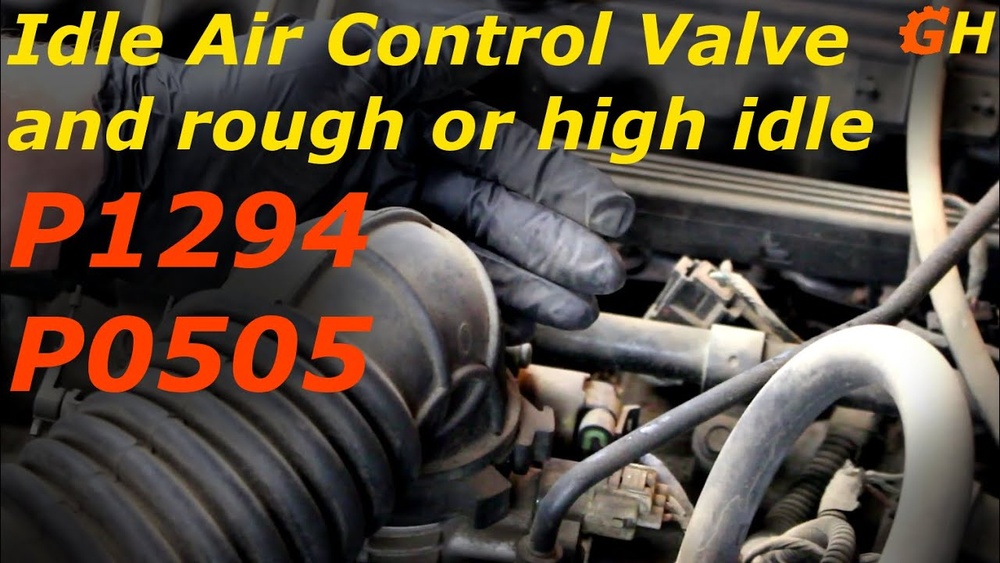
Understanding this code helps diagnose the problem quickly. The engine control unit (ECU) monitors how the engine idles. If it senses the idle speed is too low or too high, it triggers the P1294 code.
Target Idle Not Reached
This means the engine does not reach the idle speed set by the ECU. The idle speed is important for smooth running when the vehicle is stopped. Low idle speed can make the engine stall.
Common Causes
- Dirty or Faulty Idle Air Control (IAC) Valve: Carbon buildup can keep the valve open.
- Vacuum Leaks: Cracked or loose hoses allow extra air into the engine.
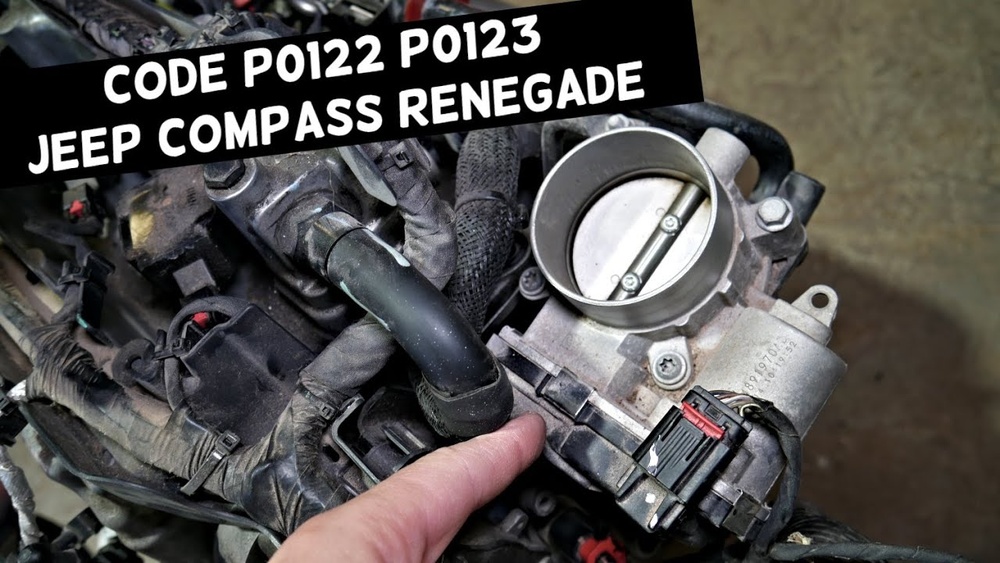
- Dirty Throttle Body: Carbon around throttle plates can stop them from closing fully.
- Faulty Throttle Position Sensor (TPS): Sends wrong signals to the ECU.
Recommended Fixes
- Clean the IAC Valve and Throttle Body with proper cleaners.
- Check all vacuum hoses and gaskets for leaks.
- Use a multimeter to test the TPS for smooth signal changes.
Common Causes Of P1294
The Jeep P1294 code signals trouble with the engine’s idle speed. Understanding its common causes helps with quick fixes. This problem often points to issues that affect air flow or sensor signals. Each cause changes how the engine controls idle RPM. Fixing these can restore smooth engine operation and prevent further damage.
Dirty Idle Air Control Valve
The idle air control valve regulates air during idle. Dirt and carbon buildup can block the valve. This causes it to stick open or closed. When stuck, the engine gets too much or too little air. The result is rough or high idle speed. Cleaning the valve often restores normal function.
Vacuum Leaks
Vacuum leaks let extra air enter the engine. Cracked or loose hoses are common leak points. Air enters without being measured by sensors. This confuses the engine control unit. The engine then struggles to maintain proper idle speed. Finding and sealing leaks is key to solving P1294.
Throttle Body Carbon Buildup
Carbon deposits form on the throttle body over time. These deposits block air flow around the throttle plate. The throttle may not close fully at idle. This keeps the engine speed higher than it should be. Cleaning the throttle body removes the buildup and fixes idle issues.
Faulty Throttle Position Sensor
The throttle position sensor (TPS) tells the engine how far the throttle is open. A bad TPS sends wrong signals to the engine computer. This stops the engine from adjusting idle speed correctly. Testing the TPS with a multimeter can reveal faults. Replacing a faulty sensor often clears the P1294 code.
Symptoms Of P1294 Code
The P1294 code on a Jeep signals a problem with the engine’s idle control. This code often causes noticeable changes in how the engine runs. Recognizing these symptoms early can help avoid bigger problems. Below are the main signs of the P1294 code.
High Or Unstable Idle
The engine may run faster than normal when idle. The idle speed can jump up and down without any reason. This happens because the idle air control valve is stuck or dirty. Air leaks in the intake system can also cause this issue. The engine struggles to keep a steady idle speed, making the ride rough.
Engine Stalling
The engine might suddenly stop running. Stalling often occurs at stops or when the engine is cold. It happens because the engine does not get the right amount of air. The idle air control valve may fail to adjust the air flow correctly. This makes the engine shut off unexpectedly, which can be dangerous in traffic.
Check Engine Light
The check engine light usually comes on with the P1294 code. This light warns that the engine control unit has found a problem. It stays on until the issue is fixed and the code is cleared. Ignoring this light can lead to more serious engine damage over time.
Locating Key Components
Understanding the location of key components in your Jeep P1294 helps with proper maintenance. Knowing where parts like the Idle Air Control valve and the throttle body sit makes troubleshooting easier. This knowledge also aids in fixing idle speed and air control issues effectively.
Below are the main components to identify for better handling of Jeep P1294 problems.
Idle Air Control Valve Position
The Idle Air Control (IAC) valve is usually mounted on the throttle body. It controls the air flow to maintain engine idle speed. On the Jeep P1294, you can find it attached near the throttle plate. It often has electrical connectors and a small passage for air.
Throttle Body Location
The throttle body sits between the air filter and intake manifold. It controls how much air enters the engine. On Jeep models with P1294, it is attached to the intake manifold on top of the engine. The throttle cable or electronic throttle control connects here.
Vacuum Hose Routing
Vacuum hoses run from the intake manifold to various parts like the brake booster and emissions controls. These thin rubber hoses are easy to spot along the engine bay. Correct routing prevents vacuum leaks that cause idle and performance issues.
Throttle Position Sensor Placement
The Throttle Position Sensor (TPS) is mounted on the throttle body shaft. It detects the throttle’s angle and sends signals to the engine control unit. On the Jeep P1294, the TPS is found near the throttle linkage, secured with screws and connectors.
Tools Needed For Diagnosis
Diagnosing the Jeep P1294 code requires specific tools for accurate results. Using the right tools helps find the cause quickly. Each tool plays a key role in the diagnosis process.
These tools help check electrical signals, vacuum pressure, and clean parts for better function. Having them ready saves time and effort.
Obd2 Scanner
An OBD2 scanner reads trouble codes from the Jeep’s computer. It shows the exact error code and other engine data. This tool is essential for identifying P1294 and related codes. Basic models work well for most Jeep models. More advanced scanners offer live data and freeze frame details.
Multimeter
A multimeter measures voltage, resistance, and current in electrical parts. It helps test sensors like the Throttle Position Sensor (TPS). Checking TPS voltage ensures it changes smoothly as the throttle moves. A multimeter also tests wiring for breaks or shorts. This tool is crucial for electrical diagnosis.
Vacuum Tester
A vacuum tester measures pressure in hoses and intake manifold. It detects leaks causing unmetered air to enter the engine. Vacuum leaks often trigger the P1294 code. Testing vacuum pressure helps find cracked or loose hoses. This tool provides a clear picture of the engine’s air system.
Cleaning Supplies
Carbon buildup affects parts like the Idle Air Control (IAC) valve and throttle body. Cleaning supplies remove dirt and carbon deposits. Carburetor cleaner or brake cleaner works well for this job. Use brushes and rags to clean small areas carefully. Keeping these parts clean improves engine idle and performance.
Step-by-step Diagnosis
Diagnosing the Jeep P1294 code requires a clear and careful approach. This process ensures you find the exact cause and fix it properly. Follow each step to identify the problem quickly. The goal is to check all related parts that affect idle speed and engine performance.
Scanning For Codes
Start by using an OBD-II scanner on your Jeep. This tool reads trouble codes stored in the engine control unit. The P1294 code points to idle speed issues. Note any other codes present. These can help pinpoint the problem.
Clear the codes after scanning. Then, watch if the P1294 returns. This confirms the issue is active.
Inspecting Vacuum Lines
Vacuum leaks cause many idle problems. Check all vacuum hoses for cracks or disconnections. Squeeze each hose gently to find weak spots. Inspect the intake manifold gaskets too. A smoke test can reveal hidden leaks fast.
Replace any damaged or brittle hoses. This step often fixes idle errors.
Testing Idle Air Control Valve
The idle air control (IAC) valve controls air flow at idle. Carbon buildup can cause it to stick. Remove the IAC valve carefully. Clean it with carburetor or brake cleaner. Also, clean the valve port on the throttle body.
Test the valve by measuring resistance with a multimeter. Replace it if readings are out of range or cleaning does not help.
Checking Throttle Position Sensor
The throttle position sensor (TPS) tells the computer how far the throttle is open. Use a multimeter to check its voltage output. The voltage should change smoothly as you move the throttle. Erratic readings mean the sensor is faulty.
Replacing the TPS can restore correct idle speed control.
Examining Throttle Body
Carbon buildup on the throttle body can block airflow. Remove the throttle body and clean it thoroughly. Pay attention to throttle plates and linkage. Make sure the throttle closes fully and moves freely.
A clean throttle body helps maintain steady idle and prevents stalling.
Cleaning Procedures
Proper cleaning is essential to fix Jeep P1294 errors. Dirt and carbon buildup affect engine parts. Cleaning restores airflow and engine idle performance. Follow these steps carefully to clean key components. Use simple tools and safe cleaners for best results.
Removing And Cleaning Iac Valve
Start by locating the Idle Air Control (IAC) valve on the throttle body. Disconnect the electrical connector carefully. Remove the screws holding the valve in place. Take out the IAC valve gently to avoid damage.
Spray carburetor cleaner inside the valve openings. Use a soft brush to remove carbon deposits. Clean both the valve and its port on the throttle body. Let them dry completely before reinstalling. Reattach the valve and connector securely.
Cleaning Throttle Body And Port
Open the hood and find the throttle body. Remove the air intake duct to access it easily. Spray throttle body cleaner on the throttle plate and bore. Use a cloth to wipe off dirt and grime carefully.
Move the throttle plate by hand to clean all areas. Pay special attention to edges where dirt collects. Clean the port where the IAC valve mounts as well. Ensure no cleaner enters the electrical parts.
Clearing Carbon Buildup
Carbon buildup causes poor airflow and rough idling. Use a quality carbon cleaner spray on affected parts. Focus on the throttle body, IAC valve, and intake ports. Let the cleaner soak for a few minutes.
Wipe away loosened carbon with a soft cloth or brush. Repeat the process if heavy deposits remain. Avoid using harsh tools that can scratch or damage surfaces. Regular cleaning prevents future buildup and keeps the engine running smoothly.
Repair And Replacement Tips
The Jeep P1294 code often points to issues with idle control and throttle components. Repair and replacement can restore proper engine function and smooth idle. The key is to address common parts that cause this problem. Proper steps help avoid repeated trouble and costly repairs.
Replacing The Iac Valve
Start by disconnecting the battery to avoid electrical shorts. Locate the Idle Air Control (IAC) valve on the throttle body. Remove the electrical connector and screws holding the valve in place. Take out the IAC valve carefully to avoid damaging the gasket. Clean the mounting surface before installing the new valve. Attach the new IAC valve and reconnect the electrical plug. Reconnect the battery and start the engine to check idle stability. This simple replacement often fixes idle speed issues caused by carbon buildup or valve failure.
Fixing Vacuum Leaks
Vacuum leaks let extra air enter the engine, causing rough idle and P1294 code. Inspect all vacuum hoses for cracks, holes, or loose fittings. Replace any damaged hoses with new ones of the same size. Check intake manifold gaskets for signs of wear or leaks. A smoke test is a useful method to find hidden leaks. Seal or replace any leaking parts found during inspection. Fixing vacuum leaks improves engine performance and stops the check engine light.
Replacing Throttle Position Sensor
The Throttle Position Sensor (TPS) sends throttle opening data to the engine control unit. A faulty TPS causes wrong signals, affecting idle speed and acceleration. Locate the TPS on the throttle body and unplug the electrical connector. Remove screws securing the sensor and take it off gently. Install the new TPS, align it properly, and tighten screws. Reattach the connector and clear any error codes with a scan tool. Test drive the Jeep to ensure smooth throttle response and stable idle.
Preventive Maintenance
Preventive maintenance is key to keeping your Jeep P1294 running smoothly. Regular checkups help spot issues early and avoid costly repairs. Simple habits protect your engine and improve performance.
Focus on areas that affect engine idle and vacuum systems. These parts often cause trouble if ignored. Keep your Jeep reliable by following these easy steps.
Regular Cleaning Schedule
Clean your Jeep’s throttle body and idle air control valve often. Dirt and carbon buildup block airflow and cause rough idling. Use a safe cleaner and a soft brush for best results.
Wipe surfaces gently to avoid damage. A clean throttle body ensures smooth air flow and stable idle speed. Set a monthly or quarterly cleaning routine to keep parts free of grime.
Inspecting Vacuum Hoses
Check all vacuum hoses for cracks, leaks, or loose connections. Damaged hoses let unmetered air enter the engine, causing poor idle and performance issues.
Replace any brittle or cracked hoses immediately. Use your fingers to feel for soft spots or breaks. A thorough inspection every few months helps maintain proper engine function.
Monitoring Idle Performance
Watch your Jeep’s idle speed carefully. A stable idle means the engine runs well. If the RPMs fluctuate or stay too high, it signals a problem.
Listen for rough sounds or stalling at idle. These signs point to air leaks or faulty sensors. Regular monitoring helps catch issues early before they worsen.
When To Seek Professional Help
Knowing when to seek professional help for Jeep P1294 issues can save time and money. Some problems require expert tools and skills. Attempting complex repairs without knowledge might cause more damage. Recognize signs that show professional intervention is needed. This helps keep your Jeep running smoothly and safely.
Persistent Idle Issues
Idle problems that continue after basic fixes need expert attention. Mechanics can perform detailed inspections and tests. They identify hidden causes like faulty sensors or damaged parts. Persistent idle issues may signal deeper engine trouble. Professionals have the right tools to fix these problems properly.
Advanced Diagnostic Needs
Some Jeep P1294 faults require advanced diagnostics equipment. Professional garages use scanners and software to read error codes. They can analyze complex data from the vehicle’s computer system. This helps pinpoint exact faults causing the P1294 code. DIY methods often lack the precision needed for these diagnostics.
Complex Electrical Problems
Electrical issues linked to Jeep P1294 can be complicated. Wiring faults or sensor failures may cause the code to appear. Professionals understand vehicle wiring diagrams and test electrical components safely. They can repair or replace damaged wiring or sensors. Handling electrical problems without experience risks injury or further damage.
Useful Resources And Forums
Finding trustworthy resources and active forums can help Jeep owners solve problems quickly. These platforms offer advice, troubleshooting tips, and experience from fellow Jeep fans. Engaging with these communities helps you stay informed and connected.
Whether you drive a Jeep Wrangler TJ or a Jeep Cherokee, online forums provide a space to ask questions and share knowledge. They cover common issues, upgrades, and maintenance tips. The following sections highlight some of the best Jeep resources available.
Jeep Wrangler Tj Forum
This forum is dedicated to Jeep Wrangler TJ models. Users discuss repairs, modifications, and upgrades. It features detailed DIY guides and problem-solving threads. Many members share photos and step-by-step instructions.
You can find advice on engine troubles, suspension setups, and electrical fixes. The community is welcoming to new members and offers quick responses. It is a great place to learn about your Jeep TJ’s quirks and solutions.
Jeep Cherokee Forum
The Jeep Cherokee Forum focuses on Cherokee models across different years. It covers topics like engine codes, idle issues, and part replacements. Members post real-world fixes for common problems such as P1294.
Discussions include troubleshooting idle air control valves and vacuum leaks. The forum also has sections for performance enhancements and restoration projects. This community helps Cherokee owners maintain and improve their vehicles.
Jeep Enthusiast Communities
Various Jeep enthusiast groups exist beyond model-specific forums. These communities gather Jeep lovers from all backgrounds. They share stories, organize events, and exchange tips on off-roading and maintenance.
Social media groups, Reddit forums, and dedicated websites offer a wider reach. These spaces encourage collaboration and learning about Jeep culture. Joining multiple communities expands your knowledge and support network.
Frequently Asked Questions
What Is The Code P1294 On A Jeep?
Code P1294 on a Jeep means the engine’s idle speed is not reached. Common causes include a dirty or faulty idle air control (IAC) valve, vacuum leaks, or a faulty throttle position sensor (TPS). Cleaning or replacing the IAC valve often resolves this issue.
Where Is The Neutral Safety Switch Located On A Jeep Cherokee?
The neutral safety switch on a Jeep Cherokee is located on the transmission near the shift linkage. It prevents starting in gear.
How To Tell If A Jeep Tj Fuel Pump Is Bad?
A bad Jeep TJ fuel pump causes hard starting, engine sputtering, loss of power, and unusual whining sounds. Test fuel pressure to confirm.
What Is The P1494 Code For A Jeep?
The P1494 code on a Jeep indicates the idle air control (IAC) valve did not reach its target idle speed. Causes include a dirty or faulty IAC valve, vacuum leaks, or a dirty throttle body. Cleaning or replacing the IAC valve often resolves this issue.
Conclusion
The Jeep P1294 code points to an issue with the idle air control system. Cleaning the idle air control valve and checking for vacuum leaks often helps. A faulty throttle position sensor may also cause this code. Regular maintenance can prevent these problems.
Use forums and repair guides for extra help. Staying proactive keeps your Jeep running smoothly and avoids costly repairs. Remember, small fixes can improve your vehicle’s performance greatly.